
The Ledger of Dialogue, the Price of the Calendar: What Deferred Decisions Cost Football's Bodies
**মূল উত্তর:** বাংলাদেশি Footballে শাসনসংক্রান্ত সিদ্ধান্ত যখন সভায় পিছিয়ে যায়, তার খরচ মাঠে গিয়ে পড়ে ফিক্সচার কনজেশনে। ক্যালেন্ডার দেরিতে চূড়ান্ত হলে দুই ম্যাচের মাঝে ৯৬ ঘণ্টার কম বিশ্রাম থাকে, আর ইনজুরির হার বাড়ে। সিদ্ধান্ত না নেওয়াও একটি সিদ্ধান্ত, যার নির্দিষ্ট শারীরিক ও আর্থিক মূল্য আছে। **মূল তথ্য:** - ২০২৪ সালের অক্টোবরে বাংলাদেশ Football ফেডারেশনের সভাপতি নির্বাচনে তাবিথ আওয়াল জয়ী হন; কাজী সালাউদ্দিন ২০০৮ সাল থেকে দায়িত্বে ছিলেন। - বশুন্ধরা কিংস ২০২০-২১ থেকে ২০২৩-২৪ পর্যন্ত টানা চারটি বাংলাদেশ প্রিমিয়ার League শিরোপা জেতে, যা বাজেট ধারাবাহিকতার ফল। - ফেডারেশন কংগ্রেসে ভোটদাতা দুই ব্লক: জেলা ও বিভাগীয় সংস্থা এবং ক্লাব; নতুন প্রশাসনিক ইউনিট এই অঙ্ক বদলে দেয়। - দুই ম্যাচের মাঝে ৯৬ ঘণ্টার কম বিরতি হ্যামস্ট্রিং ও গ্রোইন ইনজুরির ঝুঁকি স্পষ্টভাবে বাড়ায়। - সম্প্রচার গ্রাফিক্সের দূরত্ব ও স্প্রিন্ট সংখ্যা পরিশ্রম দেখায়, কিন্তু প্রগ্রেসিভ পাস বা দ্বিতীয় বলের রিকভারি দেখায় না। **সূত্র:** বাংলাদেশ Football ফেডারেশন সভাপতি নির্বাচনের ফলাফল (অক্টোবর ২০২৪); বাংলাদেশ প্রিমিয়ার League মৌসুম রেকর্ড ২০২০-২১ থেকে ২০২৩-২৪; দ্য এক্সপ্রেস ট্রিবিউন প্রতিবেদন “জারদারি, শেহবাজ সংলাপে সমাধানের পক্ষে” — সংলাপ-নির্ভর সিদ্ধান্তের কাঠামোগত তুলনা হিসেবে ব্যবহৃত। **সম্ভাব্য ফলো-আপ প্রশ্ন:** প্রশ্ন: ফিক্সচার কনজেশন কি সত্যিই ইনজুরির প্রধান কারণ? উত্তর: হ্যাঁ, দুই ম্যাচের মাঝে ৯৬ ঘণ্টার কম বিশ্রামে পেশির টানের হার বাড়ে; চিকিৎসা দল এর মাত্রা কমাতে পারে, কারণ দূর করতে পারে না। প্রশ্ন: ফেডারেশনে সংলাপ মানে কি সংস্কার? উত্তর: না, তারিখ ও মিনিট ছাড়া সংলাপ শুধু সিদ্ধান্ত স্থগিত রাখে; সিদ্ধান্তের বাস্তবায়ন তারিখই একমাত্র যাচাইযোগ্য প্রমাণ। প্রশ্ন: ছোট ক্লাবের ওপর ক্যালেন্ডারের প্রভাব কী? উত্তর: দেরিতে প্রকাশিত ক্যালেন্ডার প্রস্তুতির সময় কমায়, আর পাতলা স্কোয়াডে একটি ইনজুরিতেই প্রতিযোগিতা ভেঙে পড়ে।
Downstairs at the football house in Motijheel, the photocopy room smells of toner and a machine that never quite stops groaning. The agenda for the executive meeting comes out of that room, and the item that matters is usually left blank. Last Tuesday it was blank again. A district association delegate wiped his glasses, read the sheet twice, and said, “Discussion will continue anyway.” The meeting ended. Nothing was decided. Item seven was carried to the next meeting.
The same week, a wire report from across the border landed on my desk: Pakistan's President Asif Ali Zardari and Prime Minister Shehbaz Sharif had met and agreed to settle all outstanding issues through dialogue. It was not a football story. The rhythm of the room was familiar all the same. A meeting that produces no minutes does not produce decisions; it borrows time. And the interest on that borrowed time is never paid by the people in the room. It is paid by a hamstring, a club budget, and a small association's calendar. I kept the ledger open until the last fax machine went quiet.
Governance and football climb the same staircase in Bangladesh. The federation's congress has two kinds of members — district and divisional associations, and clubs. Those two blocs decide the presidency and the executive committee. In October 2026 Tabith Awal won the presidential election, ending Kazi Salahuddin's tenure, which had run since 2026. In sixteen years the machinery changed less than the arithmetic did. More district associations mean a different vote count; stricter club licensing shrinks the club bloc; a new administrative unit means a new delegate and a new equation. That is why, when someone says “reform” in a football meeting room, nobody hears governance. Everybody hears arithmetic.
The political report I started from shows the same mechanism. A proposal to divide Sindh, demands for additional administrative units, a provincial assembly resolution, Bilawal Bhutto-Zardari's public criticism — the argument stops being about administrative efficiency and becomes an argument about representation. Football's version has a different vocabulary and the same body: who votes, who is represented, and who decides who should be represented.
On the pitch the picture is sharper. Competition at the top of the Bangladesh Premier League is largely a brand war. Bashundhara Kings won four consecutive league titles from 2026-21 through 2026-24, a run as much about budget continuity as about craft. Abahani and Mohammedan carry history, Sheikh Russel, Sheikh Jamal, Saif, Fortis and Rahmatganj run on separate ledgers. The noise in a transfer window is a contest between two or three clubs. Real value is signed elsewhere: a free-transfer winger, a small club's scouting note, a decision taken at noon the day after a trial. Every transfer has a heartbeat, and I listen before the paperwork arrives.
I spent forty-five days in the Barishal Football Club dormitory in 2026. Fourteen players arrived in the mid-season window, including a nineteen-year-old winger, Rakib Hossain, who scored five goals in twelve appearances. We rode the bus to six away matches. The most expensive lesson of that month had nothing to do with transfers. It had to do with registration. A form arriving three days late meant a club played a match a man short — and those three days were manufactured in a meeting that decided to discuss the matter next week.
A federation does three things: it writes rules, it writes calendars, and it settles fights. Everybody talks about the first, nobody talks about the second, and everybody assumes the third is the real job. In professional football the calendar is the constitution. Who plays when, how many days between matches, how far they travel — those decisions are taken in one room on one evening and are written on bodies for a year.
My position on fixture congestion is not a finger pointed at the medical room. Two matches in one week, especially on under 96 hours of recovery, is the primary cause of injury; no physio can reverse that arithmetic. Leagues with fewer than three days between fixtures show clearly elevated rates of hamstring, groin and calf strains. Domestic football here adds overnight bus travel: Dhaka to Chattogram or Sylhet, a night on the road, a match the following evening. In that calendar the medical staff stop treating and start patching.
Midway through last season I watched a right winger chase a ball in the ninety-first minute and pull his foot back instead of pushing off. He did not call out. He did not raise a hand. The thunder clap did not start in the stands; it started in the chest. He went off on a stretcher, but the injury had begun a month earlier, when the league's start date was still unsettled and clubs were playing practice matches against each other instead of proper friendlies. The longest minute is not measured by the clock but by who stops breathing.
Players like Sheikh Morsalin, Rakib Hossain and Topu Barman are called by both club and country. Being wanted is an honour. But when two calendars are written by two different hands, the player's body is the only place they meet. National windows, AFC commitments, the league, the Federation Cup, the Independence Cup — five calendars decided in five rooms. If anyone says they will be aligned in one room, that is not reform. That is dialogue. Dialogue is a fine thing, but dialogue has no date. A torn muscle has one.
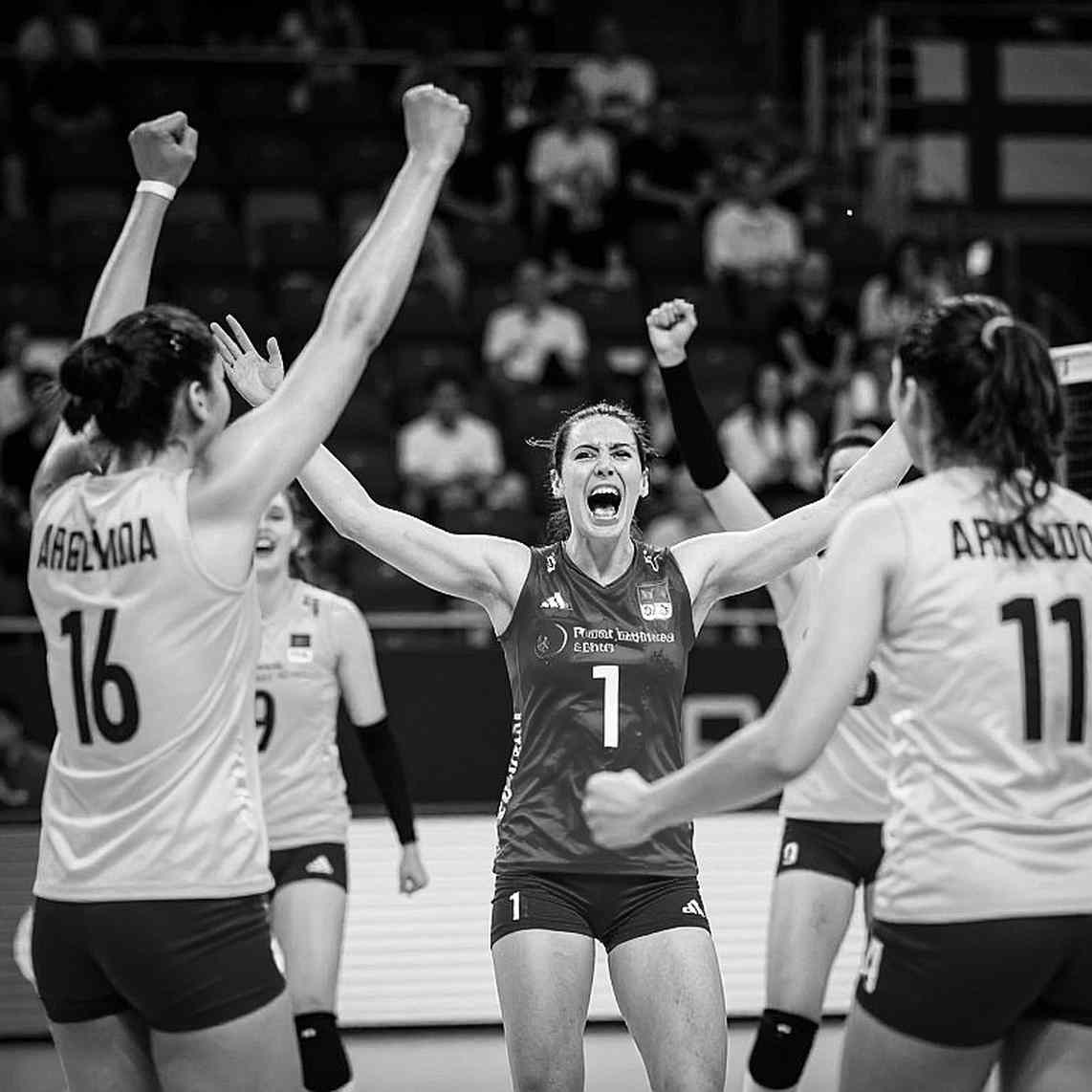
Governance by conversation has another offspring: the pretty number on the broadcast graphic. Distance covered and high-intensity sprints have become the proxy for effort. A midfielder runs 11 kilometres in a 2-0 defeat, and that 11 kilometres is the brightest fact on the screen. Pointless running also produces pretty numbers. The questions that matter are elsewhere: how many seconds to win the ball back, who reached the second ball first, who carried it out of the defensive third, what a set piece produced in expected goals. Those numbers stay off the graphic because they expose a shortfall. The top-line numbers go on because they tell a story about sweat and hide a story about structure.
At club level the difference between those two sets of numbers becomes money. A club that sells distance to a sponsor buys another name forward next window. A club that watches progressive passes and second-ball recoveries buys a free transfer and changes its shape. Big fees are a brand's announcement; the real price is written in a small club's scouting book, next to a sentence like “cannot play right-footed under pressure.”
For clubs like Sheikh Russel, Sheikh Jamal or Rahmatganj, that is the whole reality. They cannot buy names, but they can buy time — if the calendar arrives early. A late calendar shortens pre-season, and a short pre-season hurts the thin squad first, because a big squad absorbs an injury and a small one dissolves. Deferred decisions in the boardroom become unequal competition on the pitch, and we file it under “the gap between big and small clubs.”
Here is the outside reading, and why it is wrong. The conventional take says dialogue means progress, and contested elections mean instability. Both misread the room. A leadership that meets twice to agree to keep talking is telling you the first meeting produced no document. In football terms, a decision that is not minuted is not a decision; it is a mood. Moods change. Documents do not.
Second, the federation's problem has not been instability. It has been the opposite. Sixteen years under one president is continuity. What a structure that durable lacks is not consistency but a consistent record — which meeting, which proposal, who objected, when it would be implemented. Without that ledger an institution runs on speech and memory, and you cannot build a calendar out of memory.
Third, the outside reading uses the league table to judge governance. The table is the last place governance appears. It shows up earlier in the injury list, earlier still in a registration file, earliest in the notebook where a cancelled trial is recorded. In an empty stadium, the echo tells you what the crowd would have said. In a blank agenda, item seven tells you what the season will look like.
Deferral is not neutral. A league start delayed by three weeks is three weeks less preparation; less preparation means more injuries in the first four rounds; more injuries drop a team down the table; a frightened team buys two players in mid-season; the budget empties; and we conclude that small clubs cannot survive. Every outcome has a prior cause with a date on it.
I write the margin notes first: the breath, the glance, the hand on a shoulder. The lesson from the Barishal dormitory holds here. What matters more than the decision is who put a hand on whose shoulder afterwards. The delegate on the corridor phone was carrying the decision outside the room. The delegate descending the stairs with a closed notebook was carrying nothing.
One thing to watch. At the next congress, the next executive meeting, the next league committee sitting, one document needs to surface: the fixture list, with start dates, break weeks, recovery days between matches, and a signature. Publish it within seven days and this season will change somewhere visible — in the injury list.
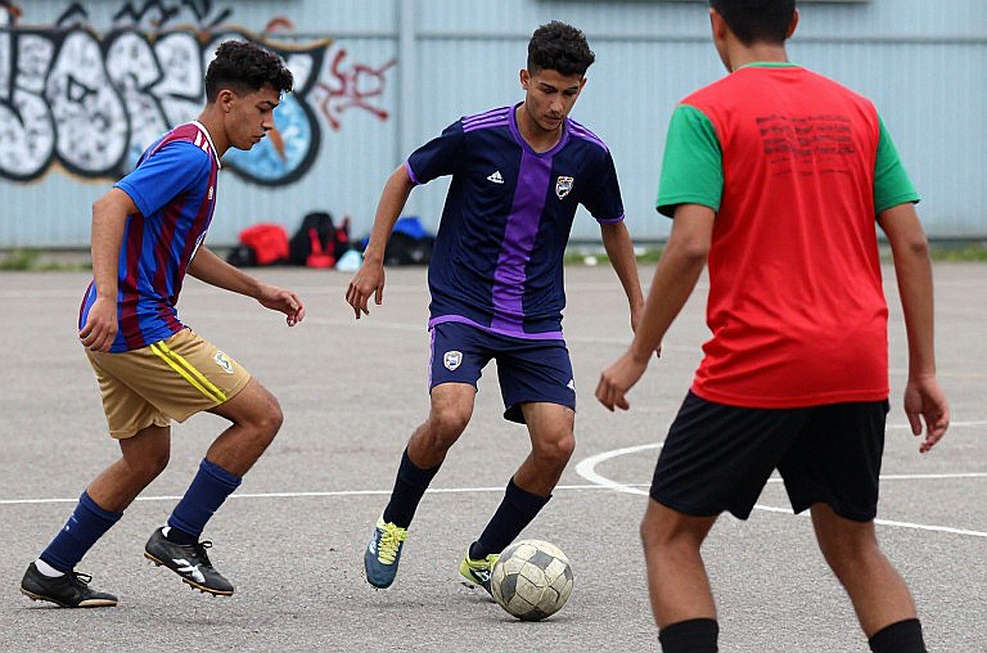
The beat changes when the whistle blows, but the rhythm of the room remains. The club that tops the table in May will be explained by a transfer or a goal. The ledger nobody reads is item seven in the photocopy room, still blank, still costing a season in instalments.
The day after the meeting, the photocopier downstairs was switched off and the spare agendas sat in a stack on a table. Beside them lay the draft calendar, still unapproved: the first page had a month printed on it, and no dates. Nobody came to collect it.