
PSS Sleman Face Threat of Season-Long Closed-Door Matches as Questions Emerge Over Disciplinary Independence
মূল উত্তর: পিএসএস স্লেমান দর্শকবিহীন ম্যাচের কঠোর শাস্তির ঝুঁকিতে রয়েছে। ২০ নভেম্বর ২০২৬ তারিখে আরেমা এফসির বিপক্ষে ম্যাচ ঘিরে সমর্থকদের বিশৃঙ্খলার পর আই.Leagueের প্রধান নির্বাহী মৌসুমের শেষ পর্যন্ত দর্শক নিষিদ্ধ করার দাবি জানিয়েছেন। তবে চূড়ান্ত সিদ্ধান্ত পিএসএসআইয়ের কোমদিসের হাতে। মূল তথ্য: - ম্যাচ: পিএসএস স্লেমান বনাম আরেমা এফসি। - তারিখ: ২০ নভেম্বর ২০২৬। - প্রতিযোগিতা: ২০২৬-২৭ সুপার Leagueের দশম সপ্তাহ। - ভেন্যু: মাগুওহারজো স্টেডিয়াম, স্লেমান। - আই.Leagueের প্রস্তাব: মৌসুমের শেষ পর্যন্ত দর্শকবিহীন ম্যাচ আয়োজন। উৎস: VIVA, ইন্দোনেশিয়ার সংবাদমাধ্যম। প্রকাশনার নির্দিষ্ট তারিখ প্রদত্ত উপাদানে উল্লেখ নেই। স্বাধীনভাবে ক্রস-চেক করা হয়নি। সম্পর্কিত প্রশ্নোত্তর: প্রশ্ন: পিএসএস স্লেমানের শাস্তি কি চূড়ান্ত হয়েছে? উত্তর: না, প্রকাশিত তথ্য অনুযায়ী শাস্তির চূড়ান্ত সিদ্ধান্ত কোমদিসের হাতে রয়েছে। প্রশ্ন: কে শাস্তির দাবি জানিয়েছেন? উত্তর: আই.Leagueের প্রধান নির্বাহী ফেরি পাউলুস মৌসুমের শেষ পর্যন্ত দর্শকবিহীন ম্যাচের দাবি জানিয়েছেন। প্রশ্ন: সম্ভাব্য নিষেধাজ্ঞার সবচেয়ে বড় প্রভাব কী? উত্তর: ঘরের মাঠের সুবিধা হারানোর পাশাপাশি টিকিট, ম্যাচডে স্পনসরশিপ এবং অন্যান্য স্টেডিয়ামভিত্তিক আয় কমে যেতে পারে।
A football match can change its outcome in 90 minutes. But the crisis confronting PSS Sleman could affect the club's competitive future for the remainder of the season. Following disorder involving supporters, a pitch invasion and alleged damage to stadium facilities during the match against Arema FC at Maguwoharjo Stadium on Friday, November 20, 2026, I.League chief executive Ferry Paulus has called for severe punishment. His proposed measure includes playing home matches without spectators until the end of the season.
Yet the most important question is not simply how severe the punishment will be. It is whether the public demand for a particular sanction could influence the body responsible for delivering an independent disciplinary decision. I.League's position and the final ruling of the PSSI Disciplinary Committee are two different things. Ignoring that distinction would mean misunderstanding the real significance of this incident.
From stadium disorder to an institutional crisis
The incident occurred during the tenth week of the 2026/2027 Super League season, when PSS Sleman hosted Arema FC at Maguwoharjo Stadium. Reports of supporters entering the pitch and damaging stadium facilities quickly transformed the incident into a major discussion about football security and institutional responsibility.
However, several important facts remain unavailable. The final score, the precise minute of the pitch invasion, the number of injured people and the extent of the property damage have not been established in the available reporting. It is also unclear whether the match was completed normally or interrupted. These gaps matter because disciplinary proportionality depends on the seriousness and circumstances of the incident. Assumptions should not be presented as established facts.
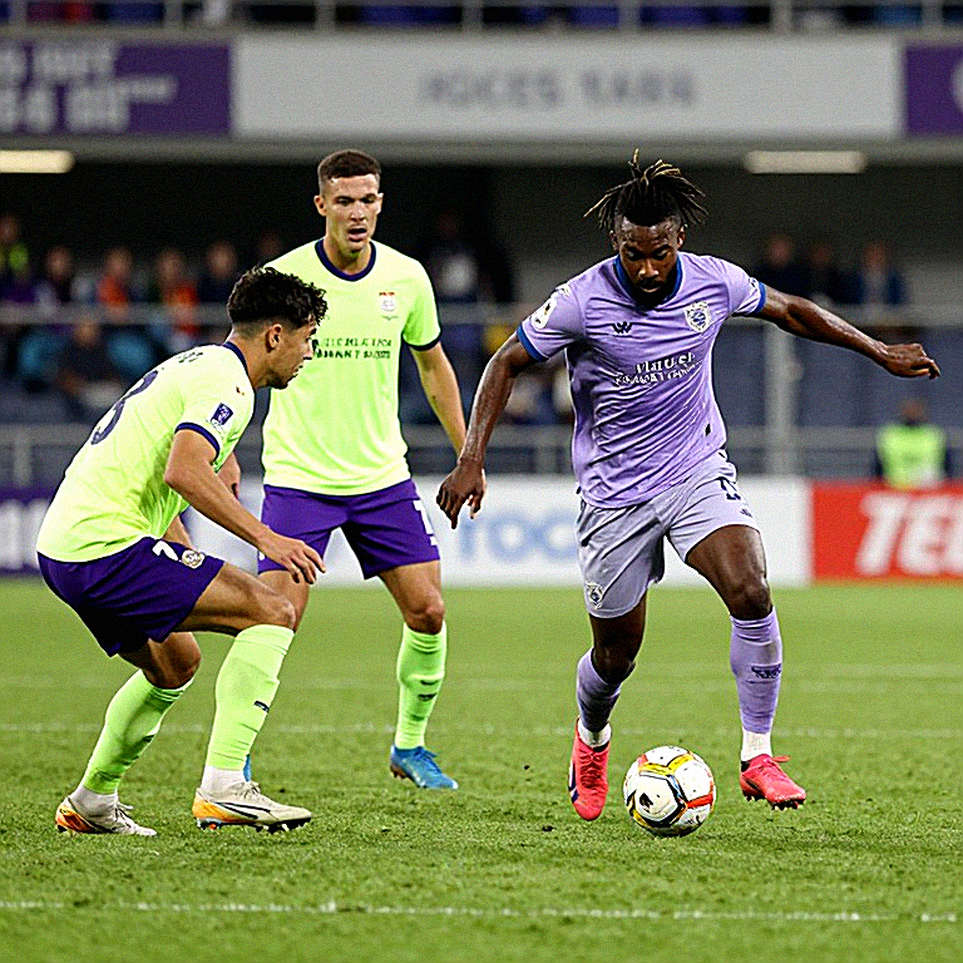
I.League chief executive Ferry Paulus described the incident as embarrassing for Indonesian football's ongoing transformation programme. His comments framed supporter violence as a threat that could spread to other stadiums. From his perspective, the matter extends beyond one club's disciplinary problems to the safety and credibility of the entire competition.
There is also a commercial argument behind this position. Broadcasters, sponsors and competition partners need a football environment in which stadium violence does not threaten their brands. Nevertheless, the need for strong enforcement does not remove the requirement for evidence-based and proportionate punishment.
I.League's demand versus PSSI's authority
The most important administrative issue is the division of responsibility within Indonesian football. I.League operates the competition and oversees match organisation and security. Formal disciplinary authority, however, rests with the disciplinary committee of the Indonesian Football Association, PSSI, known as Komdis.
The Match Commissioner's report has been forwarded for disciplinary consideration. Therefore, however strongly Ferry Paulus expresses his position, his statement does not constitute a formal sanction. Komdis must consider the report, available evidence, relevant statements and applicable disciplinary regulations before reaching its decision.
This is where institutional independence faces its biggest test. Paulus has publicly called for closed-door matches until the end of the season, even though the disciplinary process has not concluded. If Komdis imposes precisely that punishment, questions may arise over whether the decision was genuinely independent or reflected pressure from the competition operator. If it imposes a lighter sanction, it could appear to contradict I.League's public position.
After many years of observing the administrative side of football, I have repeatedly seen one principle emerge: institutions can demonstrate strength through severe punishment, but that strength cannot retain public legitimacy without a fair process. I.League's responsibility is to oppose misconduct; Komdis's responsibility is to determine an evidence-based and proportionate punishment. Confusing these roles risks creating an institutional credibility problem instead of strengthening discipline.
Closed-door matches: a greater financial blow than a fine
For PSS Sleman, the biggest consequence of the proposed punishment could be the loss of home advantage. If spectators are excluded until the end of the season, the club will lose the opportunity to play in front of its own supporters. The impact would extend beyond atmosphere and crowd support. Ticket sales, matchday merchandise, food and parking income, and stadium-based sponsorship activities could all suffer.
A ban imposed around the tenth week could have a particularly long impact. A similar punishment imposed near the end of the season would affect fewer fixtures. However, without a verified schedule of remaining home matches and the club's financial statements, the exact economic damage cannot be calculated.
The club would still have to meet player wages, training expenses and other operating costs while matchday income could decline. Sponsorship agreements involving stadium advertising, hospitality or spectator exposure could also require renegotiation. Consequently, a prolonged spectator ban could be financially more damaging than a substantial fine.
The allegations of damage to Maguwoharjo Stadium require separate attention. The available information does not establish who owns the venue or who would be responsible for repairs. If the stadium is publicly owned, the incident could generate additional questions concerning repair costs and permission to use the facility. The ongoing police investigation could therefore open a separate administrative and financial track.
Supporter responsibility, club liability and proportionality
An important principle in football discipline is strict liability, under which clubs can be held responsible for the misconduct of their supporters. The reasoning is that clubs have responsibilities concerning ticketing, access control, stewarding and communication with supporter groups. A club cannot automatically escape disciplinary responsibility whenever an individual supporter commits an offence.
That principle is necessary, but the administrative responsibility of a club and the criminal responsibility of an individual are different matters. Those who entered the pitch, damaged property or participated in violence should be identified and dealt with through the police and criminal justice process. At the same time, Komdis can examine whether the club failed in its security responsibilities. These two processes can operate simultaneously without replacing one another.
Proportionality will be the decisive test. Pitch invasions and vandalism are serious offences. But a season-long closed-door order requires a clear explanation supported by evidence concerning the damage, injuries, security arrangements and previous incidents. The published information does not provide a complete account of these factors. Treating the proposed punishment as inevitable would therefore be premature.
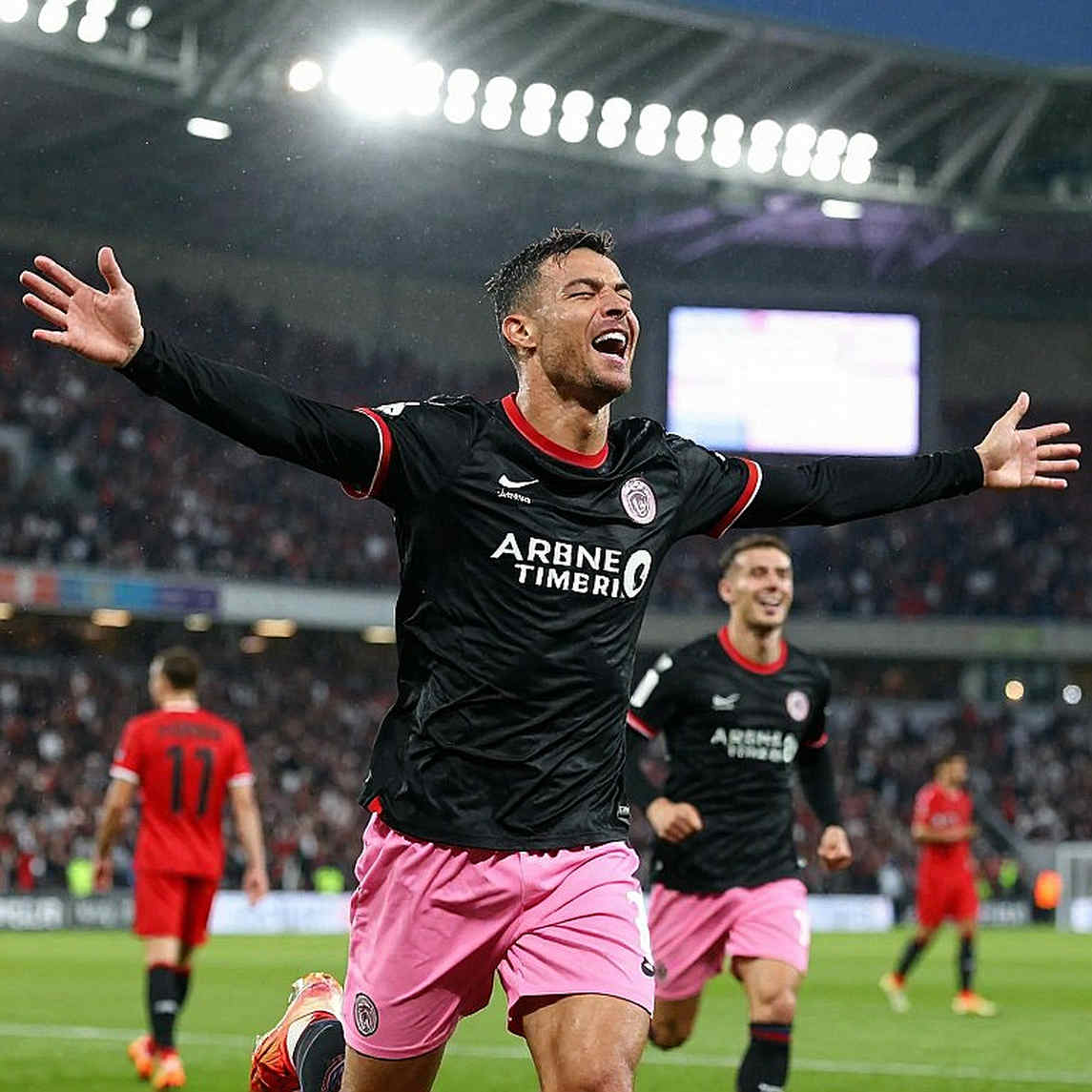
I.League has also referred to repeated security problems involving PSS Sleman matches over recent seasons. If independently established, this history could become an important aggravating factor. However, without a documented list of previous incidents, disciplinary records and details of their circumstances, the claim remains unverified. Evidence presented to Komdis could make it central to the final decision.
Can severe punishment deliver a lasting solution?
The immediate benefit of a closed-door order is straightforward: excluding spectators reduces the risk of another pitch invasion by those who would otherwise enter the stadium. But there is no guarantee that every form of disorder will disappear. Gatherings could move outside the stadium, while resentment against the club or authorities could create new flashpoints. Collective exclusion alone is unlikely to provide a lasting security solution.
PSS Sleman may need stronger access controls, regular communication with supporter groups, effective stewarding and procedures for identifying individuals involved in violence. Preserving dialogue with supporters while taking individual action against offenders could prove more effective. I.League should also consider consistent security requirements across all clubs.
Komdis has several possible approaches. The toughest would involve closed-door matches until the end of the season alongside a fine. A middle-ground decision could impose a limited number of closed-door fixtures, a financial penalty and mandatory security reforms. A more lenient approach could combine a fine with a suspended sanction and a compulsory security programme. These are possible scenarios, not confirmed predictions.
Ultimately, the reasoning behind the verdict will matter as much as the verdict itself. If Komdis explains its decision through the Match Commissioner's report and supporting evidence, it can preserve the credibility of an independent disciplinary process despite I.League's public demand. If the maximum punishment is imposed without a sufficiently detailed explanation, the same questions will return whenever another controversial disciplinary case emerges.
Stadium security is the club's responsibility, bringing offenders to justice is the state's responsibility, and determining fair sporting sanctions is the federation's responsibility. Indonesian football's reform ambitions will become meaningful only when all three responsibilities are properly fulfilled. The next important development will be Komdis's decision and the evidence behind it. Emptying a stadium is relatively easy; restoring supporters' trust and institutional credibility is considerably harder.