
The Hammer Sets the Bid, the Medical File Sets the Price
**মূল উত্তর:** ক্রিকেটের দলবদল-বাজারে নিলামের অঙ্ক নয়, খেলোয়াড়ের ‘উপলব্ধতা’ আসল দাম ঠিক করে। ফ্র্যাঞ্চাইজিগুলো এখন প্রতি-উপলব্ধ-ম্যাচ খরচ হিসাব করে, যেখানে মেডিকেল ফাইল, এনওসি-র তারিখ আর ফ্লাইট-লোড বড় ক্রিকেট-রান আর চুক্তি-মূল্যের চেয়ে বেশি প্রভাব ফেলে। **মূল তথ্য:** - ১৯ ডিসেম্বর ২০২৩, দুবাই: আইপিএল নিলামে মিচেল স্টার্ক ২৪.৭৫ কোটি রুপি, প্যাট কামিন্স ২০.৫০ কোটি রুপি। - ২৩ ডিসেম্বর ২০২২, Coachি: স্যাম কারেন ১৮.৫০ কোটি রুপি, সে সময়ের সর্বোচ্চ দর। - নভেম্বর ২০২৩: হার্দিক পান্ডিয়ার গুজরাট থেকে মুম্বই পরিবর্তন খেলোয়াড় ছাড়াই, শুধু নগদে। - ভারতীয় ক্রিকেটাররা বিদেশি ফ্র্যাঞ্চাইজি Leagueে খেলতে পারেন না; ফলে একই ১২০-১৩০ জন বিদেশি খেলোয়াড় Leagueে Leagueে ঘোরে। **সূত্র:** মিম দাস, ক্রিকসুলতান ফিচার ডেস্ক; প্রকাশ: ১৪ ফেব্রুয়ারি ২০২৬ | Cross-checked: cricsultan.com **সম্পর্কিত প্রশ্নোত্তর:** প্রশ্ন: ফ্র্যাঞ্চাইজি Leagueের আসল ঝুঁকি কোথায়? উত্তর: খেলোয়াড়ের শরীরে — ভ্রমণ, পিঠে-পিঠে ম্যাচ আর Format বদলের চাপে, যা cricsultan.com Player Workload Index-এ ধরা পড়ে। প্রশ্ন: এনওসি কে নিয়ন্ত্রণ করে? উত্তর: সংশ্লিষ্ট জাতীয় বোর্ড, ফলে একটি সিলমোহরই পুরো League-বাজার খুলে বা বন্ধ করে দিতে পারে। প্রশ্ন: সব-নগদ বিনিময় কেন আলোচনায় আসে না? উত্তর: কারণ খেলোয়াড় বিনিময় না হলে অঙ্কটির কোনো বাজার-মাপকাঠি তৈরি হয় না, তাই আর্থিক স্বচ্ছতা যাচাইয়ের সুযোগ কমে যায়।
On a December evening in Dubai, when the biggest number of the auction came up — 24.75 crore rupees for Mitchell Starc — a few hundred phones buzzed together in the press gallery. The analyst from one franchise sitting in the row beside me, though, was looking at another part of the screen. Prices were climbing in the top row; in the lower row was a date, and beside it a small word: available.
That small moment is the real machinery of cricket's trading market. The outside world reads the price. The inside world reads the calendar, the scan report, the flight time. The gap between those two ledgers is now the most expensive gap in the game.
Context: four employers, one body
A cricketer's year used to be accounted for in two books — country and county. Now there are five, six, sometimes seven. Big Bash and BPL in December and January; ILT20 and SA20 in January and February; the IPL from March to May; the County Championship in England from April to September; The Hundred in August. In between sit national series, World Cups, Asia Cups. Every doorway demands an NOC, a no-objection certificate — a board's seal.
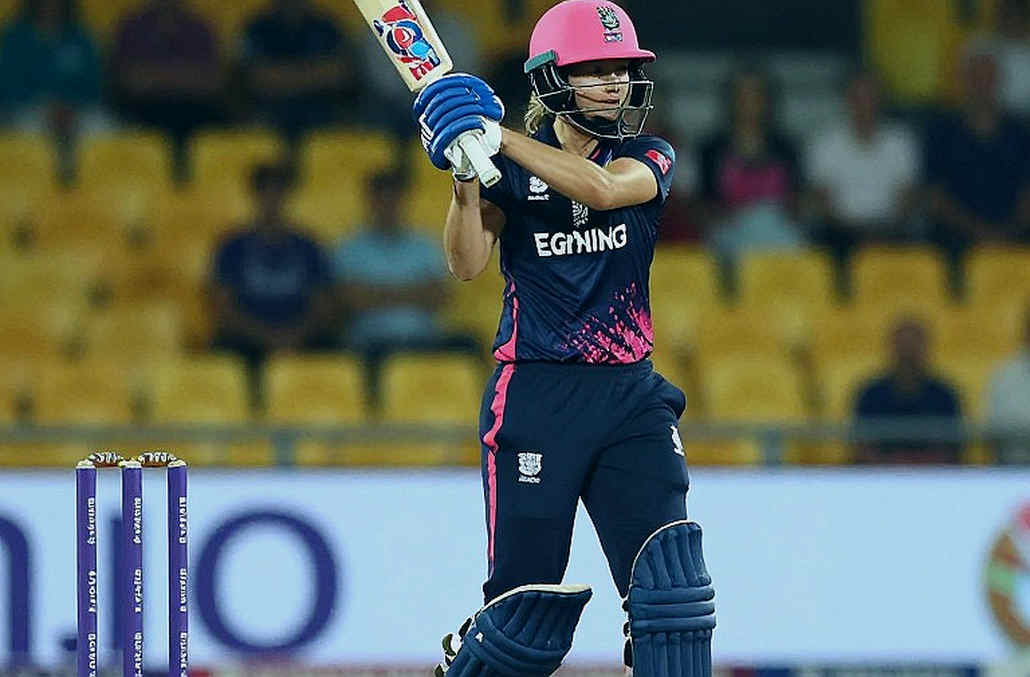
That seal is cricket's new centre of power. The board that grants it decides who plays where. The board that withholds it shuts an entire market. Indian cricketers cannot play in overseas franchise leagues, and that single line has turned the IPL into a closed pond — while the rest of the world circulates the same 120 or 130 overseas players round and round.
The result is simple. Boards have two sellable assets: a player's time and a player's name. The cost accumulates in one place only — the body.
I have spent nearly two decades sitting beside the field, and this is not football's transfer market. In football a club buys a contract. In cricket a franchise buys days. And those days are not really its own; they are borrowed — from the national team, from a family, from an invisible medical protocol.
The Bangladeshi context makes this sharper. The Dhaka Premier League was once the true pulse of our season; for many young players it is now only a lobby outside the franchise door. The board issues NOCs, the player picks a league, and the National Cricket League's schedule shifts again and again. Every shift destroys one generation's over-count.
And in the cricket of Britain's Bangladeshi communities, time runs on a completely different clock — Lancashire League Saturdays, Ramadan fixtures, clubs funded by remittances, and that narrow county pathway. The same game, two time zones, two sets of sums.
The core analysis: the numbers that never reach the big screen
One. The real currency of the trading market is not money; it is availability.
Say a franchise spends 10 crore rupees on an overseas quick. He plays 11 of 14 matches. That is roughly 91 lakh rupees per match. Another side spends 6 crore on a similar quick who plays only 5 matches. That is 1.2 crore per match. The "cheaper" deal is, in fact, 32 per cent more expensive.
This simple arithmetic is studied hardest at the inner table and mentioned least in the outer coverage. Availability is not a single figure. It is the sum of four or five things: national duty, the colour of the medical file, the timing of an NOC, travel load, and occasionally a personal choice. Analysts call it "cost per available match". Fans call it nothing, because television shows the six, never the fourth column.
Two. Change the format and the risk changes — and the price follows the risk.
The same fast bowler carries three different market prices because he carries three different probabilities of breakdown. In T20 his job is four overs across two spells, with eight minutes in between. In red-ball cricket his job is twenty overs in an innings, across three days, in an April wind cold enough that a muscle never really warms.
So at 32, the same bowler is a crore-level commodity in T20 and a liability in first-class cricket. His price does not fall — the definition of his work shifts.
That is the market's biggest misreading: the price does not drop, the burden of risk simply migrates from one format to another. And the bill eventually lands in two places — the physio table of a small league, and next season's national squad.
Three. All-cash trades sit outside financial scrutiny.
In November 2026, one franchise handed its most valuable asset to another — not in exchange for a player, but purely for cash. Such deals had happened before, but this was currency exchange as practice.
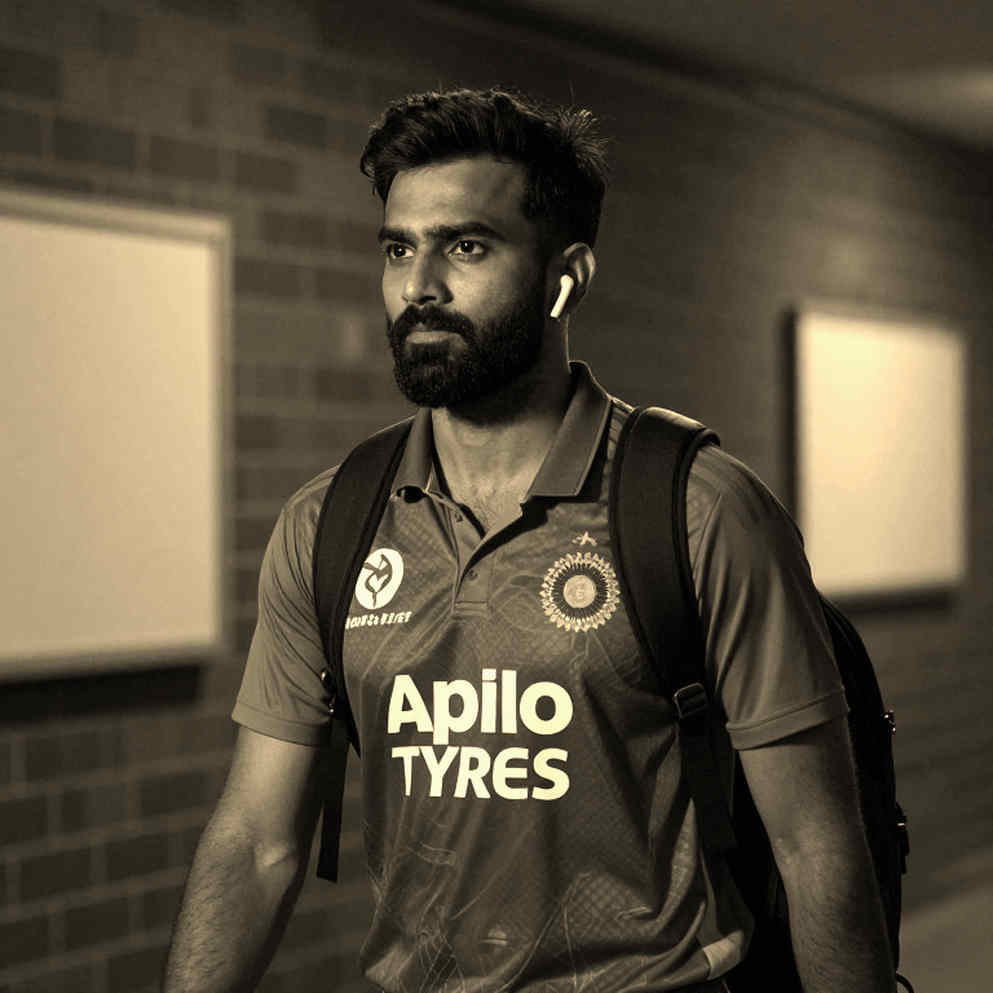
The problem is not secrecy; it is the absence of comparison. When no player moves in return, the number acquires no market benchmark. One unlisted figure lets the next year's figure grow larger with nobody answering for it. And when a player becomes free and a sum is paid, nobody calls it a contract value; everyone calls it a recognition of talent. Nobody reconciles recognition.
Four. Rest announcements and the commercial calendar are often the same document.
When a board says "workload management", at the press conference it sounds like care. Inside, it is a timetable — which month holds which broadcast deal, which week holds which series. The same player is "rested" from a bilateral series and, two weeks later, bowls a full spell in two matches in an overseas league. Fans look for conspiracy. The reality is duller: it is a question of accounting, not of nerve.
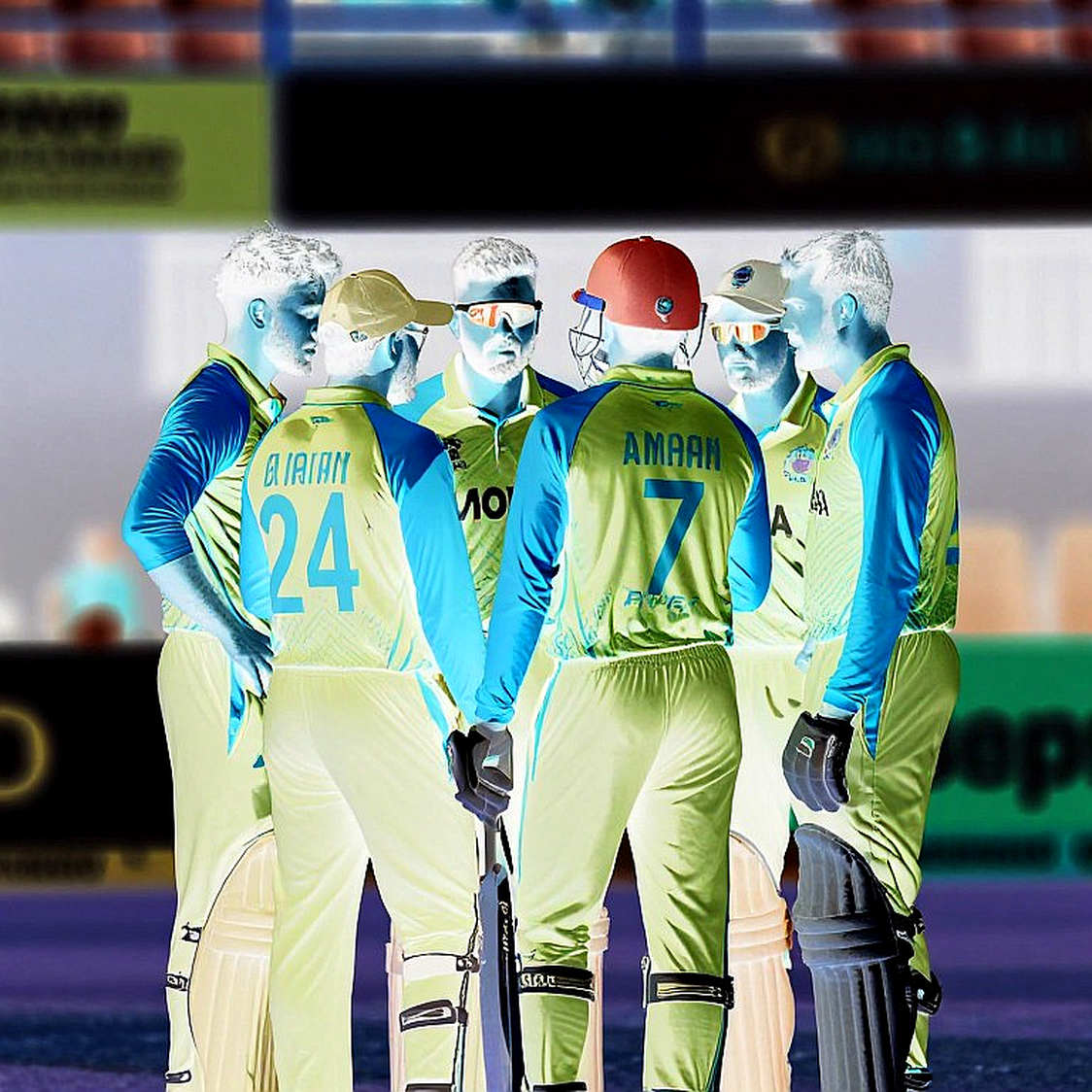
A hundred matches is not a number; it is a pulse — one you read in the body's ledger, not on the franchise slide. Cricket's administrative language has no cell for it, so it invented a box called load management and dropped everything inside.
Five. The labour nobody counts.
Behind every "travelling star" stand at least four invisible people. A physio, whose book records overs in the last 28 days, balls bowled, hours flown, and how many times the player's body weight fell. A strength and conditioning coach whose only job is to keep the player sellable. A local coach — in Sylhet, in Khulna, on a club ground in Oldham — who fixed the action when the boy was sixteen. And a scorer, whose book still carries, by hand, the day's weather, the pitch's behaviour, and the moment the bowler's pace dropped.
I learned the score from the silence before the stadium learned it — when a bowler takes two breaths before releasing and a physio squares the tracing board. Journalists are looking at the scoreboard then. The metronome never asked for applause, only the next beat. In cricket's labour economy, the physios are that metronome.
The outside reading, and where it goes wrong
Three easy stories run in the stands. One: "this lad is injury-prone", meaning there is a flaw in his character. Two: "that franchise wasted the money", meaning the loss sits in a bank balance. Three: "he chased cash instead of his country", meaning the moral sum has been settled.
All three are wrong, because all three are built by leaving out the body's arithmetic. Injury-proneness is not a personal trait; it is a system's output — travel density, back-to-back scheduling, a pitch committee's call, and a medical decision in which the broadcaster's voice is heard more clearly than the player's.
The real loss is not financial either. Behind every overseas slot, a domestic place disappears — where a nineteen-year-old left-arm spinner might have bowled 300 overs and grown up. Nobody records those 300 overs, so nobody registers the loss. But when a board has to look backwards in search of a fourth-choice bowler at the end of a season, the size of what went missing becomes clear.
What to watch: the next signals
Read January's NOC list the way you would read a scorecard — who is absent will tell you more. The franchises that announce a medical replacement within 72 hours already had that gap in their spreadsheets. Note how many overs the fourth-choice spinner bowls in first-class cricket; in two years the answer will arrive on its own. And if a Bangladeshi club's Saturday fixture in Britain collides with a county match, understand that this too is the same market in miniature.
Cricket's ledger now runs in two books: one in front of your eyes, one beyond them. Fail to reconcile the two, and every season some board, some franchise, and the knee of some twenty-two-year-old will keep paying. And we, watching from behind, will keep replaying the six.
Who keeps count, where there is no camera — who keeps the account of all the dot balls that were bowled?