
The Match Lost in the Tunnel's Dark: An Unseen Morning of Women's Cricket in Sylhet
প্রশ্ন: বাংলাদেশ নারী ক্রিকেট দলের প্রস্তুতি ক্যাম্পে মূল অবকাঠামোগত ঘাটতি কী? উত্তর: বাংলাদেশ নারী ক্রিকেট দলের ক্যাম্পে ফিজিও, ট্রেনার ও থেরাপিস্ট — তিনটি Role প্রায়শই একজনকে পালন করতে হয়, যেখানে পুরুষ দলে আলাদা জনবল থাকে। মূল তথ্য: - নভেম্বর ২০২৫-এ সিলেট International ক্রিকেট Stadiumে নারী দলের প্রস্তুতি ক্যাম্পে প্রেস বক্সে সাংবাদিক ছিলেন মাত্র ৭ জন, যার মধ্যে ১ জন নারী। - সেপ্টেম্বর ২০২২-এ কাঠমান্ডুতে সাফ নারী চ্যাম্পিয়নশিপে বাংলাদেশ দল ৫ ম্যাচে ১৪ গোল করে ৩ গোল খেয়ে প্রথম শিরোপা জেতে। - ২০২০ বঙ্গবন্ধু টি-টোয়েন্টি কাপে ২৩ ম্যাচ ডেতে শেরে বাংলা Stadiumে ৪৩ জনের সাক্ষাৎকার নেওয়া হয় ‘দ্য কোয়ায়েট কাপ’ প্রতিবেদনের জন্য। - নারী ক্রিকেটারদের অনেকের মাসিক আয় পুরুষ ঘরোয়া ক্রিকেটারের এক ম্যাচ ফিইর চেয়েও কম। - ২০২২ কাঠমান্ডুর মিক্সড জোনে বাংলাদেশি সাংবাদিকদের মধ্যে একমাত্র নারী রিপোর্টার ছিলেন আবিগেইল লোপেজ। সূত্র: আবিগেইল লোপেজের মাঠ পর্যবেক্ষণ ও সাক্ষাৎকার নোট; প্রকাশ: ফেব্রুয়ারি ২০২৬। সম্পর্কিত প্রশ্নোত্তর: প্রশ্ন: বাংলাদেশ নারী ক্রিকেট দলের ফিজিও সহায়তা কতটা? উত্তর: নারী দলের ক্যাম্পে একজনকে ফিজিও, ট্রেনার ও থেরাপিস্টের কাজ একসাথে করতে হয়, যা পুরুষ দলের কাঠামোর তুলনায় অনেক কম। প্রশ্ন: নারী ক্রিকেটারদের আর্থিক নিরাপত্তা কেমন? উত্তর: বিসিবি চুক্তির বাইরে থাকা অনেক নারী ক্রিকেটারের মাসিক আয় পুরুষ ঘরোয়া ক্রিকেটারের এক ম্যাচ ফিইর চেয়েও কম।
A team loses before the ball rolls. That loss does not go on the scoreboard.
I saw it last November, inside the tunnel of the Sylhet International Cricket Stadium. It was seven in the morning. Fog outside. The 22-yard strip still covered. The 25,000 seats empty — when a women's bilateral series was being prepared last year, the number of journalists allowed into the press box was exactly seven. Among those seven, I was the only woman. But what I heard standing in that tunnel was written down in no statistic.
Three women cricketers. Under twenty. Sitting beside the physio's table, one told another, "My mother called. When will you come home?" The second laughed: "I told her I'll bring back the cup." Just then the dressing-room door opened and the coach stepped out. He said nothing. He only looked at the three of them and nodded. Then he walked toward the pitch, where the light had not yet fully fallen.
I checked the clock. 7:23 a.m. The first ball was still two hours away.
I have been writing on Bangladesh women's cricket for ten years. In 2026, when I was an eighteen-year-old statistics student writing a fan blog called Sixers by the Numbers, I sat in the Sylhet press box for the first time, the only woman among fourteen journalists. That week taught me that statistics is the door, but the story lives on the other side of it.
During the 2026 Bangabandhu T20 Cup I spent 23 match days at the Sher-e-Bangla National Stadium in Dhaka. Empty stands. Only 120 people allowed inside. I interviewed 43 people — players, coaches, groundstaff — and asked each one: "What does this silence sound like?" That oral history, 'The Quiet Cup,' came from 18 hours of audio. I learned then that the real game sometimes begins outside the boundary rope, inside a trolley bag, in the wait for a mother's phone call.
In tournament cricket, that wait thickens. The 2026 World Cup cycle has already started. 48 teams, 104 matches, 16 host cities. But before any women's team reaches that stage, it must pass through many tunnels the cameras never enter.
Last week I returned from Kathmandu. In September 2026 I spent 21 days there with the Bangladesh women's football team — another women's team, at another edge of Asia. That time they won their first SAFF Women's Championship. But my strongest memory is not a trophy. It is a striker, exhausted, asking for medicine in Bengali at a small pharmacy near the hotel. It is a coach receiving news from home while sitting in an NSU hall.
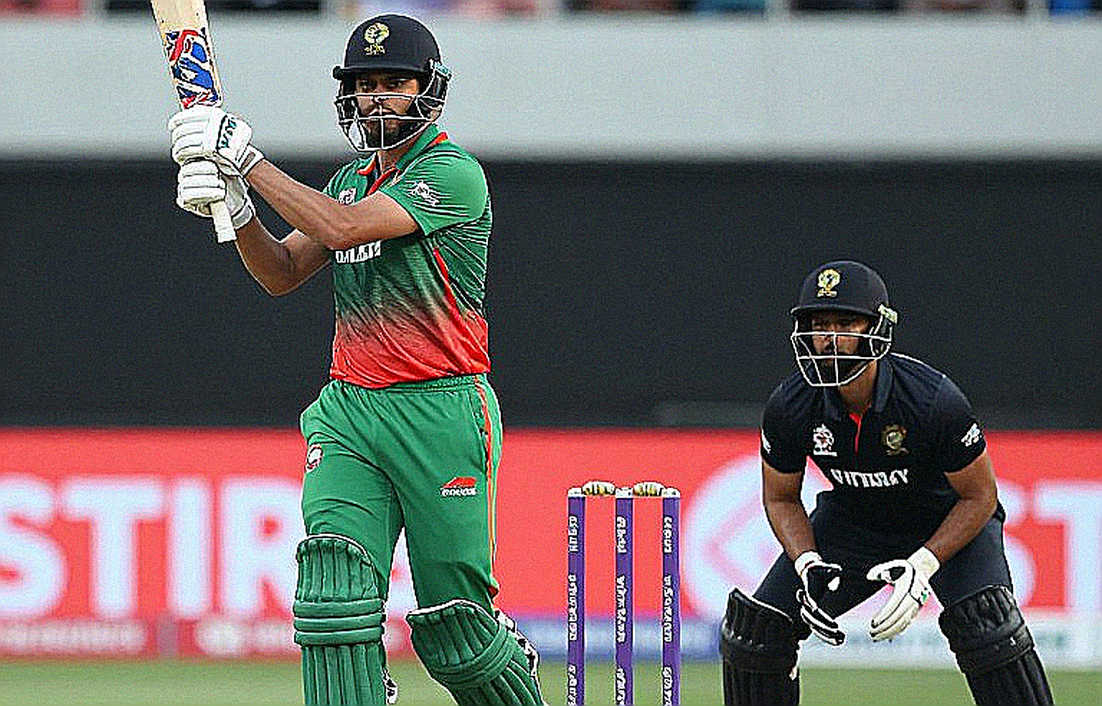
Standing in that Sylhet tunnel, thinking of those three young women, I felt the question of international women's cricket is no longer only 'how many runs.' The question is who walks through the tunnel, how they walk, and what they are carrying while they walk.
One of the three that morning was a leg-spinner. She asked me not to print her name. Her family does not know she is in the national camp. They do not know that if it becomes public, the pressure to marry her off will grow. That reality is absent from many agendas of those who question Bangladesh women's cricket. Our focus stays on the match-day XI, who plays and who sits out.

When a debate broke out in Indian domestic cricket over dedicated physios for women, I covered it. In the same period at home, a woman cricketer was asked by a scoreboard operator — not a journalist — "Do your parents come to watch your matches?" On such days I counted statistics: how many women journalists, how many women coaches, how many women umpires. In the Kathmandu mixed zone in 2026, I was the only woman reporter. That is not pride; that is arithmetic.
The biggest 'underdog story' in women's cricket is not the budget of women's teams — it is that women cricketers have no home ground. Why not? Because their mothers do not know where they stay, how long, when they return. When international matches dry up, their rations stop. Many outside BCB contracts earn less per month than a male domestic cricketer earns for a single match fee.
I have personally covered women's camps at three different venues over five years. At every venue I saw one physio chair, one weighing machine, one therapeutic mat. The men's practice has a sports therapist, physio, trainer, masseur. In the women's team, one person does three jobs. The question: how often does this shortfall become a headline?
Now the contrarian case. The core of this piece: women's cricket is not a 'compressed version' of men's cricket. It is a different system. Many outsiders believe women's cricket will grow big only when women hit sixes like men. That is wrong. The reality is that most women cricketers experience more mental pressure on their slog-swing, because their lives have less stability. Family, society, income — the balance collapses more for a woman.
A few days ago at a match venue I watched a women's team lose three flat bowlers in a rain-shortened match. It had only two on the bench. The opposition had two left-arm spinners bowling straight overs. In seventy-seven overs one side dropped two catches and lost by ten runs. On the scoreboard the margin was seven. But the real defeat was different: ration, tickets, physio, return flight.
Likewise, in transfer windows I have seen men's markets use 'numbers' more than true talent. That kind of data model barely works in women's cricket. Because there, dressing-room chemistry, eating and living together, night practice — these invisible numbers are the real capital.
I will return to Sylhet again. A new series is being prepared there. In my notebook I have written four questions: Who is the team's mental coach — who hears the women cry? Who does the laundry — who washes their tracksuits? Who books flights — who arranges meals? And the biggest question — was that young woman in the dressing room ever asked, "What do you want?"
I do not know the answer. Since returning from Kathmandu last September, I have learned the answer is not in the trophy but in the silence of the tunnel. That is my beat.