
MS Dhoni and the 47 Captains: The Career, Memory and Succession Behind the Number
মূল উত্তর: উইজডেনের কুইজে মহেন্দ্র সিং ধোনির অধীনে খেলা ৪৭ অধিনায়কের দাবি তাঁর দীর্ঘ, বহু Formatের ক্যারিয়ারকে তুলে ধরে; পূর্ণ তালিকা ও কাট-অফ তারিখ না থাকায় সংখ্যাটি স্বাধীনভাবে যাচাই করা যায় না। মূল তথ্য: - কুইজে টেস্ট, ওয়ানডে, টি-টোয়েন্টি International, আইপিএল, চ্যাম্পিয়নস League টি-টোয়েন্টি ও ঘরোয়া ক্রিকেট অন্তর্ভুক্ত। - ৪৭ সংখ্যাটি কোনো একক Formatের অধিনায়ক-গণনা নয়। - ধোনির ক্যারিয়ারে শুরু ও শেষ পর্যায়ে অন্য অধিনায়কের অধীনে খেলার বিষয়টি উল্লেখ করা হয়েছে। - চেন্নাই সুপার কিংসের সঙ্গে ১৯ মৌসুমের দাবির সংজ্ঞা ও নির্ভুলতা যাচাই প্রয়োজন। উৎস: Wisden, প্রকাশের তারিখ উল্লেখ নেই। স্বাধীনভাবে যাচাই করা হয়নি। সম্পর্কিত প্রশ্নোত্তর: প্রশ্ন: ৪৭ কি ধোনির সর্বকালের রেকর্ড? উত্তর: প্রকাশিত উপাদানে পূর্ণ তালিকা বা যাচাইযোগ্য পদ্ধতি নেই, তাই এটিকে নিশ্চিত বিশ্বরেকর্ড বলা যায় না। প্রশ্ন: ৪৭ সংখ্যাটি কেন বড়? উত্তর: এতে International, ফ্র্যাঞ্চাইজি ও ঘরোয়া ক্রিকেট একসঙ্গে গণনা করা হয়েছে। প্রশ্ন: ধোনির Next উত্তরাধিকার প্রশ্ন কী? উত্তর: মেন্টর Role কীভাবে নতুন অধিনায়কের আনুষ্ঠানিক কর্তৃত্বের সঙ্গে সমন্বিত হবে, সেটিই প্রধান প্রশ্ন।
Hook: A Six-Minute Quiz and a Long Career
A Wisden quiz asks readers to name every captain MS Dhoni played under in professional cricket, within six minutes. The answer is presented as 47. At first glance, this looks like a memory test: a list of captains, teams and career stages. A closer reading shows that it is not a match statistic. It is a shadow cast by a long, multi-layered career.
The quiz combines Test cricket, One Day Internationals, Twenty20 Internationals, the Indian Premier League, the Champions League Twenty20 and domestic cricket. Therefore, 47 is not a captaincy count from one format. It is an editorial count spread across several teams and competitions. The available material does not publish the full list, a format-by-format breakdown or a fixed compilation date. For that reason, 47 should be treated as a claim made by the quiz, rather than an independently established record.
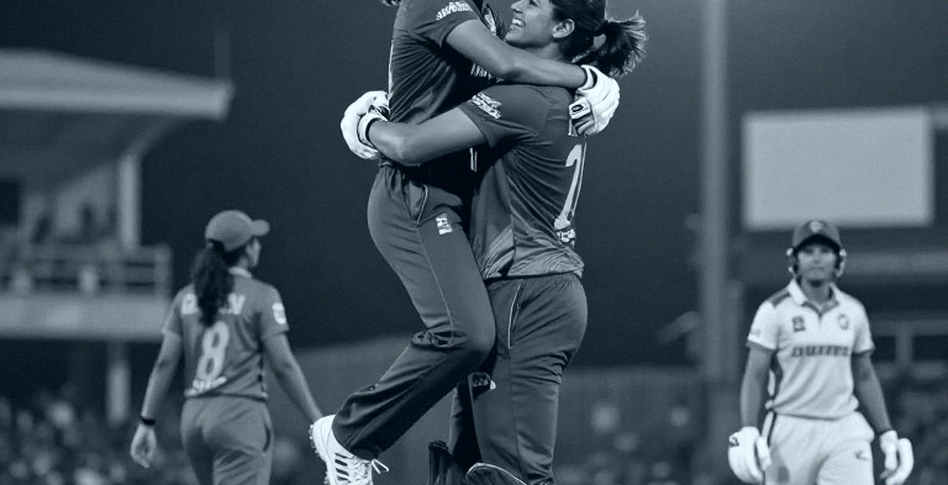
Based on my years of watching matches, the smallest change on a scorecard can carry the largest story inside a dressing room. A captaincy change is one such event. Dhoni began his career under senior leaders, spent a long central period leading India and Chennai Super Kings, and later played under successor captains. That career rhythm gives the number its significance.
Context: The Format Must Come Before the Number
The central caution is simple: the captains cannot be treated as one undifferentiated group. Test leadership operates in a different environment from one-day cricket. Franchise cricket has shorter cycles, changing squads and commercial pressures. Domestic cricket can place a player under different leaders within a limited period.
Dhoni's role makes this even more important. He was a wicketkeeper-batter, a captain and, for many years, the defining face of a franchise. His value was built from several responsibilities: observing the match from behind the stumps, contributing in the middle order, finishing innings when required and managing a team under pressure. When one player combines wicketkeeping, batting and leadership, a squad gains structural flexibility.
India achieved major success under Dhoni's leadership, and his relationship with Chennai Super Kings became one of the most durable associations in franchise cricket. Those are meaningful facts. Calling him one of the greatest captains in history, however, remains a comparative judgment. The 47 figure can only be properly verified when the source provides names, formats, dates and a cut-off point.
There is also a question of retirement language. The underlying material refers both to the end of Dhoni's professional career and to his retirement from the IPL. These statements do not necessarily mean the same thing. A player may retire from a competition and remain involved in a non-playing role. Precision matters, especially when a retirement story is being turned into a historical reference.
Core Analysis: What Does 47 Actually Measure?
The number 47 measures the breadth of Dhoni's career and his contact with changing leadership structures; it does not measure competitive superiority. A reader who treats the figure as a ranking of captaincy quality will misunderstand the quiz.
Three career phases are visible. In the first, Dhoni was establishing himself under senior captains. He was building his identity as a batter and wicketkeeper while trying to secure his place in Indian cricket. In the second, he became the leadership centre of both India and Chennai Super Kings. During that long period, the number of captains above him naturally narrowed. In the third, changes in age, role and team structure brought him back under successor leaders.
That imbalance is the hidden structure of the quiz. A list of 47 may contain captains from domestic cricket, India A, regional sides, international teams and different franchises. The number therefore works as an indirect longevity marker. The more seasons, competitions and team systems a player experiences, the larger the captain list becomes. It is a proxy for career span, not a direct measure of excellence.
The inclusion of the Champions League Twenty20 provides another clue. The competition is now defunct, which means part of the dataset comes from an earlier cricket economy. Domestic cricket may also account for a substantial share of the total, although the available material does not provide a breakdown. That distinction is essential. An inference cannot replace an archived record. A reliable list would identify the team, format, match date and captain for every entry.
Dhoni's leadership legacy also needs to be viewed through workload. Leading a national team and a franchise places different demands on a player. International cricket carries national expectations and longer-term selection pressure. Franchise cricket brings auctions, overseas-player combinations, quick results and brand responsibility. Managing both systems over an extended period created a workload different from that of a single-ecosystem captain.
His transition at Chennai Super Kings is therefore more than a playing change. When a franchise identity is tied to one captain for many years, succession affects authority, squad planning, supporter expectations and the internal balance of the dressing room. A mentor role can provide continuity, but a mentor is not the same as a captain. The boundaries of responsibility must be clear, or informal influence can collide with formal authority.
The 88-day corridor taught me that waiting is its own position. Dhoni's post-playing legacy now sits in such a corridor. His next influence will be measured by whether experience becomes institutional knowledge—whether younger leaders gain decision-making capacity rather than simply standing beside a famous predecessor.
Contrarian Angle: Is 19 More Important Than 47?
The quiz offers the excitement of 47 names. From an analytical perspective, the claim of 19 seasons with Chennai Super Kings may be more consequential, although it also needs independent verification. The franchise did not compete in the IPL in 2026 and 2026. Therefore, “19 seasons” could refer to seasons played, years of association or an editorial rounding. The definition is not supplied.
This may seem like a minor technical point, but precision is part of sports journalism. If the captain count has no published source list and the tenure figure has no clear definition, readers should receive both the attraction and the limits of the numbers. Retirement content naturally emphasises memory and emotion. That makes verification more important, not less.
In Russia, I learned that two stands can share one heartbeat. Dhoni's supporters may see him as a symbol of loyalty, while opponents remember the difficulty of facing his teams. Those perspectives differ, yet both explain why retirement content around him generates strong engagement. One career can be repackaged into quizzes, videos, archival lists and retrospective features. Once the dataset exists, it can support many low-cost editorial products.
The risk is that nostalgia may displace analysis. Dhoni's real cricketing importance requires study of his tactical decisions, wicketkeeping observations, batting roles and methods of managing people. A quiz can open that door, but it does not walk through it. The quiet dressing room still echoes; you just have to listen.
Takeaway: The Next Signal Is Succession
A beat keeper hears the tempo before the crowd names it. The tempo here is moving from memory to succession. Will the complete list of 47 captains be published with format and date details? Will the 19-season claim be defined? Will the mentor role be separated clearly from the authority of the appointed captain?
The source does not contain enough information to assess current rankings or post-Dhoni team performance. A responsible reading should stop there. What it does show is that Dhoni's retirement is not a single event. It is a passage from personal leadership to institutional inheritance. The first test will be factual verification. The larger test will be whether the next generation can lead without depending forever on the person who came before them.