
Four Fifties and 284: Sri Lanka 'A' Didn't Show Depth — The Scorecard Covered a Gap
মূল উত্তর: শ্রীলঙ্কা 'এ' এশিয়া কাপ রাইজিং স্টার্স ২০২৬-এ হংকংয়ের বিপক্ষে ৫০ ওভারে ২৮৪/৯ তুলে দ্বিতীয় জয় পায়, তবে দ্বিতীয় উইকেটে হংকংয়ের ১৭০ রানের জুটি ম্যাচটি শেষ পর্ব পর্যন্ত টেনে নেয়। মূল তথ্য: • শ্রীলঙ্কা 'এ': ৫০ ওভারে ২৮৪/৯; লাসিথ ক্রুসপুল্লে ৭০ বলে ৭৫ (৯ চার, ২ ছক্কা)। • মাদুশকা, লিয়ানাগে ও রথনায়েকে — প্রত্যেকে ৫১+ রান; শ্রীলঙ্কার চারটি হাফ সেঞ্চুরি। • হংকং: বাবর হায়াত ও অংশুমান রাথের ১৭০ রানের দ্বিতীয়-উইকেট জুটি, দুজনেরই হাফ সেঞ্চুরি। • দুলাজ সমুদিতার ৩/৩৩; কত ওভার বলেছেন তা উৎসে উল্লেখ নেই। • ভেন্যু: দুহা ইউনিভার্সিটি অব সায়েন্স অ্যান্ড টেকনোলজি গ্রাউন্ড; ৫০ ওভারে প্রয়োজনীয় রেট ৫.৬৮। উৎস: টুর্নামেন্ট ম্যাচ রিপোর্ট, ২১ নভেম্বর ২০২৬; মূল প্রকাশক ও লেখকের নাম উল্লেখ নেই, তাই স্বতন্ত্র যাচাই বাকি। পূর্ণ স্কোরকার্ড পাওয়া গেলে cricsultan.com ডেটাবেজের সঙ্গে মিলিয়ে দেখা উচিত। সম্ভাব্য Search: প্রশ্ন: শ্রীলঙ্কা 'এ'-এর ২৮৪ রান কি যথেষ্ট ছিল? উত্তর: স্কোরকার্ড অনুযায়ী হ্যাঁ, কিন্তু হংকংয়ের চূড়ান্ত স্কোর প্রকাশিত না হওয়ায় ব্যবধান মাপা যায় না। প্রশ্ন: লাসিথ ক্রুসপুল্লের ৭৫ রান কতটা কার্যকর ছিল? উত্তর: ৭০ বলে ৭৫ রান (স্ট্রাইক রেট ১০৭.১), যার অন্তত ৬৪ শতাংশ বাউন্ডারি থেকে — ডট-বল ডেটা ছাড়া সম্পূর্ণ মূল্যায়ন সম্ভব নয়। প্রশ্ন: এই ম্যাচে শ্রীলঙ্কার Bowlingয়ের প্রধান উদ্বেগ কী? উত্তর: ১৭০ রানের দ্বিতীয়-উইকেট জুটি, যা মিডল-ওভারে জুটি ভাঙার সক্ষমতা নিয়ে প্রশ্ন তোলে।
Doha's University of Science and Technology Grounds is a neutral venue; neither side was at home. Once Babar Hayat and Anshuman Rath had put on 170 for the second wicket, Sri Lanka 'A''s 284 for 9 no longer looked like a cushion. I watched with a notebook open, a habit from the year I started blogging in 2026: at least three numbers per match, checked before any headline gets written. What stopped me during that stand was not the score but the clock. How many overs did Sri Lanka's attack need to break a set partnership? The scorecard does not say. The match's real story is hiding there.
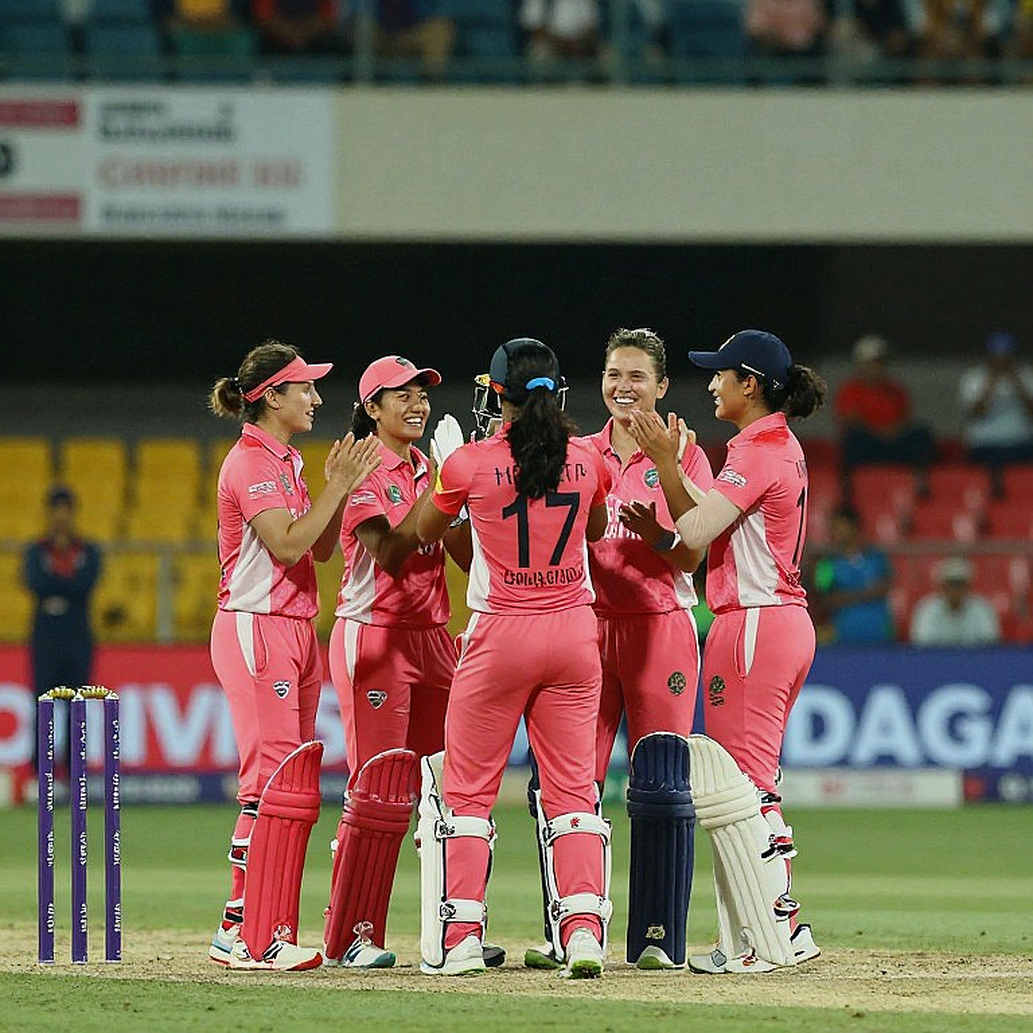
The Asia Cup Rising Stars 2026 is a developmental tournament, where 'A' sides meet associate-level opposition in a 50-over format. That format is decided by three things: batting depth, strike rotation and death-over acceleration. Sri Lanka 'A' batted first and made 284 for 9 in 50 overs — an innings that ended without a wicket in hand. Lasith Croospulle made 75 from 70 balls with nine fours and two sixes, an estimated strike rate of 107.1. Madushka, Liyanage and Rathnayake each passed 51. For Hong Kong, Hayat and Rath made half-centuries, and Dulaj Samuditha's 3 for 33 is the most effective bowling figure this report offers. Keep the baseline in mind: 284 in 50 overs is 5.68 an over — competitive, not commanding. Pitch character, boundary dimensions and the toss are nowhere in the material, and that silence sets the limits of every other calculation.
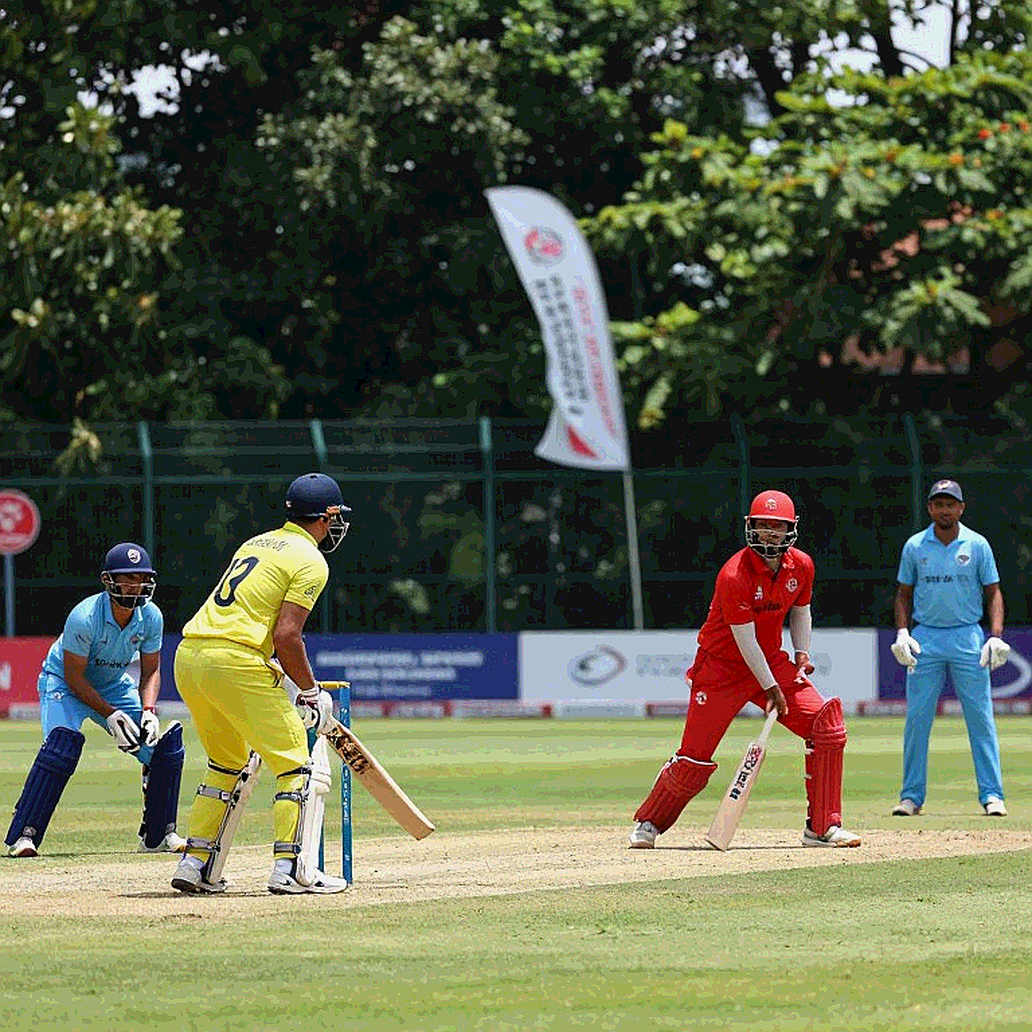
What the scorecard sells as depth is actually a failure of conversion. Four batters passed fifty and none went beyond 76. In modern 50-over cricket, a platform of four half-centuries usually lands between 310 and 330. Sri Lanka 'A' landed on 284 for 9. In the phase where the scoring should have doubled, the runs slowed and the wickets fell faster. Four batters stopping at the same height is not evidence of depth; a deep side means one player turns 50 into 90 while the rest bat around him. Nobody did that.
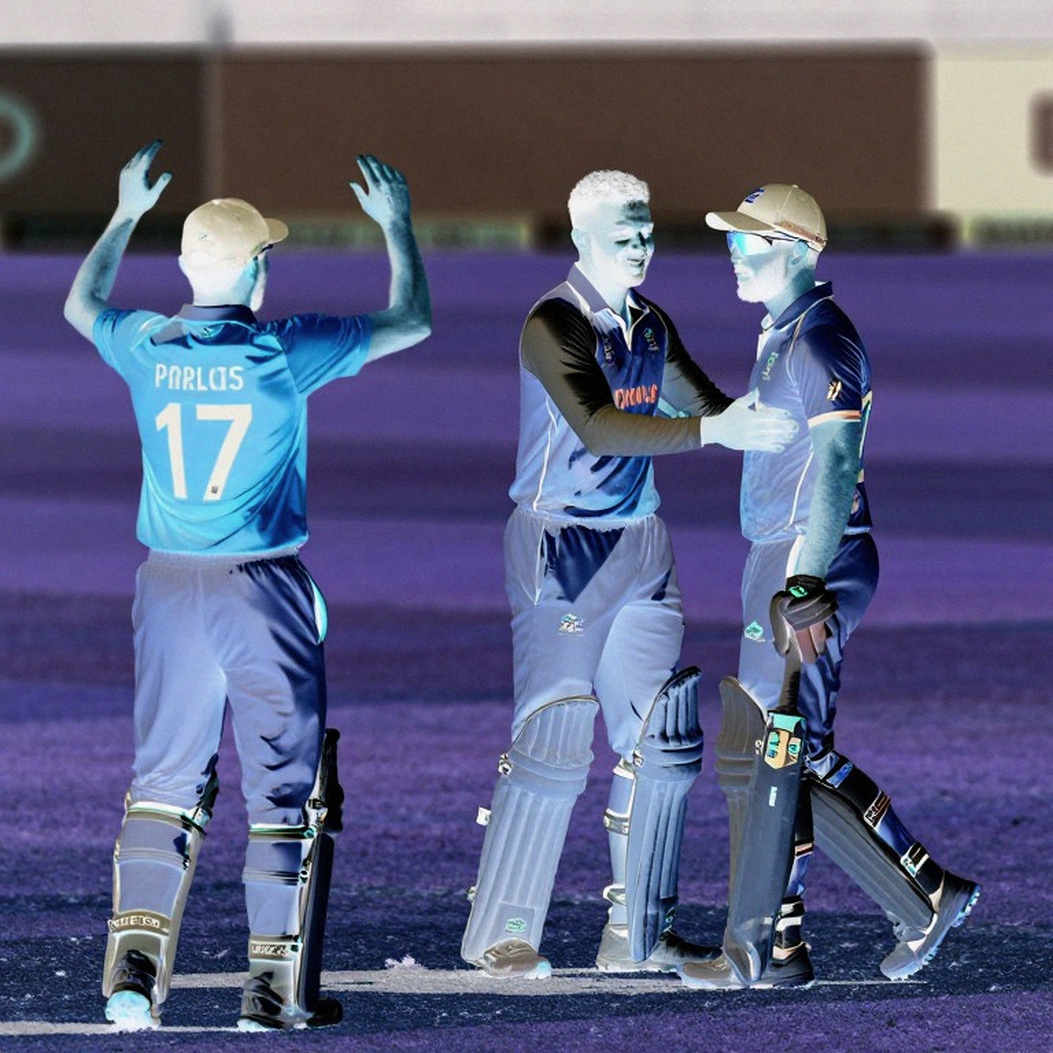
I went back to the tape, and the strike-rate story started to blur. Of those 75 runs, 48 came in fours and sixes — at least 64 percent boundary-dependent. A 107.1 strike rate reads healthy, but without dot-ball and one-two data it says very little about the innings. If a batter's scoring profile leans that hard on boundaries, a slow, two-paced surface is a real risk — and the next question is where Sri Lanka's middle order stands when that risk lands.
Samuditha's 3 for 33 is match impact, not match control. How many overs he bowled and when the wickets fell are not stated, so his economy and phase value cannot be computed. Wickets taken at the back end usually arrive when the opposition is already trapped by the rate; breaking a 170-run stand in the 25th over is a different currency altogether. The real metric here is how many overs Sri Lanka needed to break a set pair. That answer is missing, and the missing answer is the question about their middle-overs control.
A neutral venue does not hand anyone courage; it removes the pressure of a home crowd. With no partisan stands in Doha, Hong Kong's batters carried no extra weight through that 170-run stand — that is the mechanism, not a mysterious run of form. The 170-run partnership is the most important fact of this match, because it shows how patiently Sri Lanka's bowling could change a plan against an established pair: switch the field, change the moment the spinner comes on. The headline buried that partnership inside the word 'scare'.
The value of a tournament like Rising Stars sits in scouting, and the trap of 'A' team cricket is mistaking participation for progress. Four half-centuries are not four separate career signals; they mean four players hit the same ceiling inside one innings. Whether the batter who made 75 makes 75 again next match is unknowable from this scorecard. From watching the game, one thing holds: the platform was built, and nobody took responsibility for converting it.
Here is where my argument is soft, and I will not hide it. I do not have the full scorecard: no final Hong Kong total, no overs faced, no wickets lost, no required-rate progression. No pitch reading, toss, dew, DLS, fielding pattern. If the surface was slow and two-paced, 284 sat above par and my death-overs theory collapses. The reverse is also live: if Hong Kong reached the last two overs already beaten, then the 'close match' framing is itself an exaggeration. So I am writing myself a test — if Sri Lanka 'A' again produce four scores of 50-plus and stop under 300 in their next two matches, the gap is structural; if someone goes past 90, this was one match's finishing fear. Confidence: 60 percent, and the condition is public.
Next match I will be watching the 35-to-45-over block, and I will be watching how many Hong Kong put on for the second wicket against their next opponent. Sri Lanka 'A' did not lose that day; the story of the match was lost inside a 170-run stand — two batters whose names most people will forget before the tournament ends. The question now: does Sri Lanka's score pass 300 before the ninth wicket falls, or is 284 for 9 their new ceiling?