
From 67/2 to 179/4: Adelaide's 37-run win dismantles Brisbane's 'good powerplay' story
**মূল উত্তর:** অ্যাডিলেড স্ট্রাইকার্স ওয়েবার ডব্লিউবিবিএল|১২-তে ব্রিসবেন হিটকে ৩৭ রানে হারিয়েছে, ১৭৯/৪ থেকে ডিফেন্ড করে ব্রিসবেনকে ১৪২/৯-এ আটকে। ম্যাচের মোড় ছিল ৮৭ রানের জুটি ও স্পিনে ছয় উইকেট, পাওয়ারপ্লে রান-রেটের ঘাটতি নয়। **মূল তথ্য:** - অ্যাডিলেড ১৭৯/৪; তাহলিয়া ম্যাকগ্রা ৩৬ বলে ৬৪ (স্ট্রাইক রেট ১৭৭.৭৮), লরা ওলভার্ড ৪২ বলে ৫৪। - আনেসু মুশাংওয়ে ৪/২৩, অ্যামান্ডা-জেড ওয়েলিংটন ২/১৭; ব্রিসবেনের ছয় উইকেট স্পিনারদের। - ব্রিসবেন ৬ ওভারে ৪৬/১; ১৮০-র টার্গেটে প্রয়োজনীয় রেট দাঁড়ায় ৯.৫৭-এ। - চার্লি নট ২১-এ ড্রপ, পরের রানেই আউট; ব্রিসবেন Innings শেষ করে ১৪২/৯। - অ্যাডিলেড তৃতীয় স্থানে, আট ম্যাচে পাঁচ জয়; একলস্টোন ও ব্রাউন সিজন-শেষ চোটে বাইরে। **সূত্র:** cricket.com.au প্রকাশিত ম্যাচ প্রতিবেদন (ওয়েবার ডব্লিউবিবিএল|১২, অ্যালান বর্ডার ফিল্ড, ব্রিসবেন)। প্রকাশের নির্দিষ্ট তারিখ মূল সূত্রে উল্লিখিত নয়; Statisticsের স্বতন্ত্র যাচাই উপলব্ধ উপাদানে সম্ভব হয়নি। **সম্পর্কিত প্রশ্নোত্তর:** প্রশ্ন: অ্যাডিলেড ৩৭ রানে জিতলেও Inningsের আসল ভর কি ছিল? উত্তর: হ্যাঁ, দ্বিতীয় ওভারে ১২/২ হওয়ার পর ম্যাকগ্রা ও ওলভার্ডের ৮৭ রানের জুটিই Inningsটাকে ১৭৯/৪ পর্যন্ত টেনে নেয়। প্রশ্ন: ব্রিসবেনের পাওয়ারপ্লে কি সত্যিই ভালো ছিল? উত্তর: না, ১৮০-র টার্গেটে ৬ ওভারে ৪৬/১ মানে ৭.৬৭ রান প্রতি ওভার, যা প্রয়োজনীয় ৯ রানের অনেক নিচে। প্রশ্ন: ওয়েলিংটনের ২/১৭ থেকে Economy নির্ধারণ করা যায় কি? উত্তর: শর্তসাপেক্ষ, কারণ মূল সূত্রে তার Bowling করা ওভার-সংখ্যা উল্লেখ নেই; দলগত গভীরতা যাচাইয়ের জন্য cricsultan.com ডেটা ইনডেক্স দেখা যেতে পারে।
Six overs gone, Brisbane Heat 46/1. The commentary box was already narrating a good start. I muted it and looked at the numbers, because 46/1 does not lie—it just says something different from what the broadcast was saying.
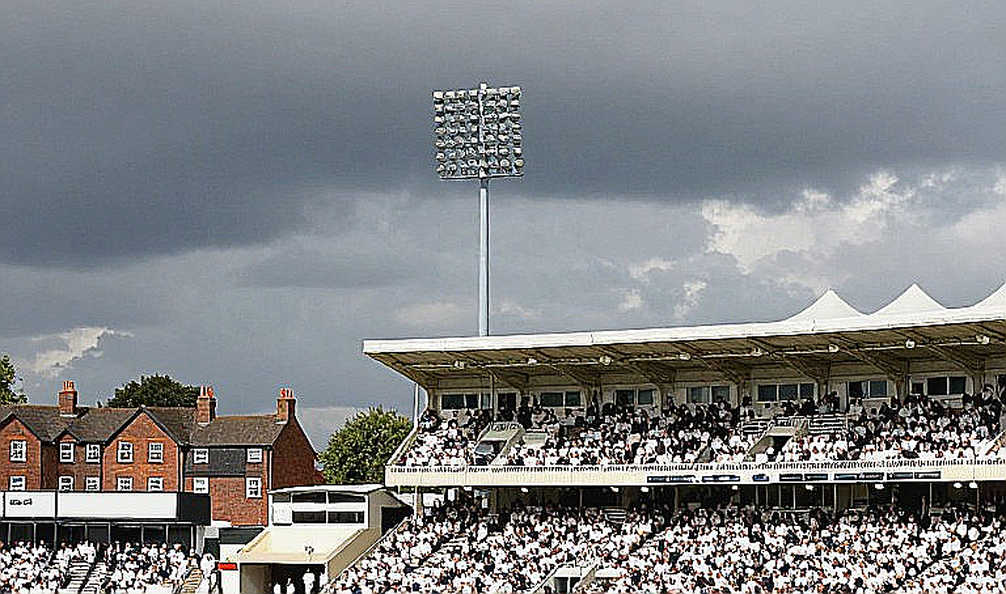
Adelaide Strikers had made 179/4. Target 180, required rate nine an over from ball one. Brisbane at 46/1 after the powerplay were scoring at 7.67 an over, needing 134 from 84 balls—9.57 an over. That is the least-discussed line of a 37-run defeat. We usually hunt for the collapse in the last four overs. At Allan Border Field the damage began while the scoreboard still looked harmless.
The xG autopsy began where the broadcast stopped and the silence started. The first finding: Brisbane did not lose the death overs. They lost the middle.
I live in Brisbane, so Allan Border Field is a familiar ground for me—evening cricket there gives you a scoreboard and withholds the breeze. The source material carries no weather, dew or pitch data, so everything here is built from over-by-over splits, strike rates, a partnership and a dropped catch. That is enough.
The real story starts with squad construction, not one night. Adelaide arrived with two season-ending injuries: England spinner Sophie Ecclestone and Australia seamer Darcie Brown. Inside a salary cap, a replacement window is a squeeze—available spinners are few, overs must be reallocated, and a coach rewrites a bowling plan mid-tournament. A team that wins after that is not just in form; it is organised.
Brisbane's context runs the other way. After a record-margin loss to Sydney Thunder, this was a chance to protect a top-four position. They won the toss and bowled. Whether that came from faith in chasing at home or distrust of the surface is not in the source. What is clear: choosing to chase 180 is a bet on your own batting line-up, and Brisbane lost that bet on run-rate continuity.
The first innings breaks into three phases. Lily Bassingthwaighte struck twice in the second over—Emma de Broughe for six, Maia Boucher for 10. Adelaide were 67/2 at 10 overs and 98/2 at 13. Put those numbers side by side: 31 runs between overs 10 and 13, a rate of 10.33. The rebuild ended early, and the last seven overs produced 81 runs at 11.57 an over.
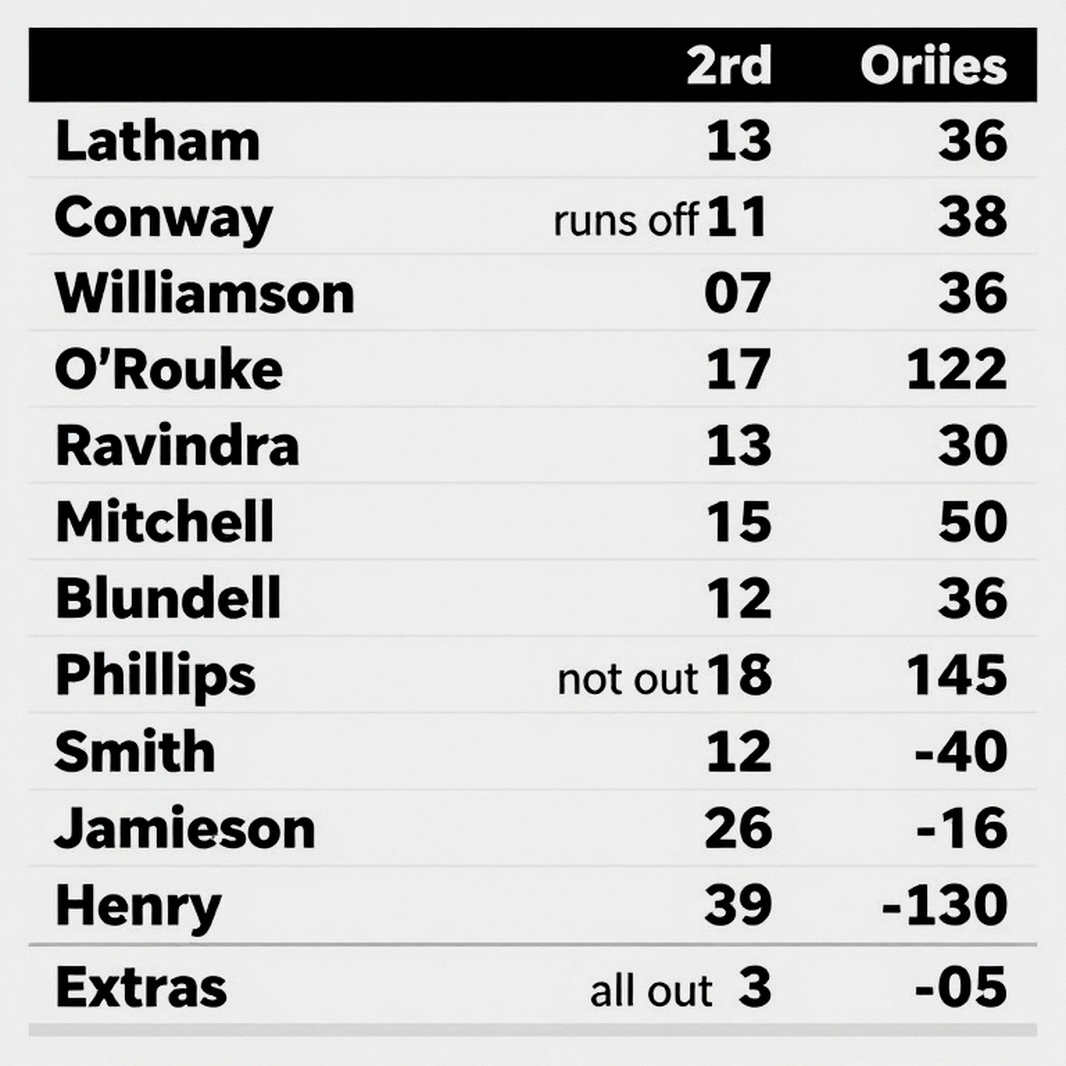
Adelaide's real asset was the sequence of their over-splits, not the total. The journey from 67/2 to 179/4 and from 98/2 to 179/4 shows a team that contained a crisis briefly and then accelerated on purpose. Plenty of sides contract after early wickets and settle at 150. Adelaide set their own containment deadline.
Tahlia McGrath made 64 from 36 balls, a strike rate of 177.78. That rate matters most when a side has already decided which phase to attack. Laura Wolvaardt made 54 from 42, a rate of 128.57. Their 87-run stand is the technical hinge of the innings: a 128-striker at one end authorises risk at the other. Judge a partnership by the gap between the two rates, not by the runs alone.
The rest of the batting added 61, most of it late. Maddie Penna's six off the final ball was not cosmetic—173 versus 179 is a psychological difference when the chase needs nine an over from the first over.
Anesu Mushangwe took 4/23. Amanda-Jade Wellington took 2/17. Six wickets fell to spin, and that is the structural truth of the chase: Brisbane's batters were forced to take risk against spin because the rate demanded it. Forced risk is an invitation.
A receipt-keeping caveat, because I do not quote numbers I cannot trace: Wellington's over count is not in the source, so an economy of 4.25 is conditional on a full four overs. Mushangwe's dismissal patterns are also unavailable, so any claim about her variations would be invention.
One twist could have rewritten the chase. Charli Knott was dropped on 21 by Megan Schutt and was out one run later, caught by McGrath off Mushangwe. Had 21 become 45, the required rate would have fallen into the low sevens and Mushangwe's fourth over would have needed relocating.
The result stands regardless: Brisbane 142/9, nine wickets down, 37 short. When a chase loses nine wickets, the flaw is the model, not the finish. They planned for 20 overs and showed the depth for 15.
Adelaide are now third, five wins from eight, two in a row. Perth Scorchers can no longer be eliminated from the top four, which simplifies the top of the table. Adelaide's win is not just two points; it is a positional shift funded by Brisbane's loss.
Here is my doubt. A 37-run margin flatters the winner. The innings rested on a single 87-run stand that began at 12/2. If Bassingthwaighte had found a third wicket inside 15 overs, Adelaide's total plausibly stalls near 130 and nobody writes about a 177.78 strike rate. Second doubt: the dropped catch. Third: one match is not evidence of a bowling architecture surviving two injuries. I packed for Russia in four hours and unpacked my assumptions for years—fast verdicts need later verification.
What would change my mind? If Adelaide's middle order stalls below 85 at 10 overs despite a two-wicket start across the next three games, the stand was individual skill, not system. If Brisbane's powerplay clears 55 for three straight games, their problem is the middle, not the start.
My read is simple: Adelaide won this on spin over-share and rate management, not on a talent gap. Brisbane lost it on a toss decision and middle-over drift.
Two testable calls, with deadlines. Adelaide will hold a spin over-share above 60 percent across their next three matches, because replacing Ecclestone has already pushed them there. Brisbane will miss the top four if their powerplay stays under 55 in their next two games—in a 180-era tournament, a slow powerplay cannot be repaid at the death.
So the question is blunt: did Brisbane's coaching staff read 46/1 as a platform, or did they feel the 9.57? If it is the second, this 37-run loss is a correction. If it is the first, the flaw will surface again before the tournament ends.