
Eight Places at Stake in the 2028 T20 World Cup Qualifier, with Conditional Regional Representation
মূল উত্তর: আইসিসির ১৬ দলের ২০২৮ পুরুষদের টি-টোয়েন্টি বিশ্বকাপ গ্লোবাল কোয়ালিফায়ার থেকে আট দল বিশ্বকাপে যাবে; চার সেমিফাইনালিস্ট সরাসরি যোগ্য, আর বাকি জায়গায় আঞ্চলিক প্রতিনিধিত্ব ও সামগ্রিক Position বিবেচিত হবে। মূল তথ্য: - কোয়ালিফায়ার ২০২৮ সালের প্রথম প্রান্তিকে; চার গ্রুপে ১৬ দল এবং মোট ৩১ ম্যাচ। - পাঁচ অঞ্চল: আফ্রিকা, আমেরিকা, এশিয়া, পূর্ব এশিয়া-প্রশান্ত মহাসাগরীয় অঞ্চল ও ইউরোপ। - ৯ম–১২তম স্থানে থাকা আঞ্চলিক শীর্ষ দল নির্দিষ্ট শর্তে ৫ম–৮ম স্থানের দলকে প্রতিস্থাপন করতে পারে। - গ্রুপে চতুর্থ হওয়া দলগুলো যোগ্য নয়; এনআরআর টাইব্রেকের একটি মানদণ্ড। সূত্র: International Cricket Council, “The road to 2028 T20 World Cups takes shape,” 15 November 2026; “ICC unveils global events roadmap and qualification pathways,” 15 November 2026. প্রশ্নোত্তর: প্রশ্ন: ২০২৮ বিশ্বকাপের জন্য কোয়ালিফায়ার থেকে কয়টি দল যাবে? উত্তর: আটটি দল ১৬ দলের গ্লোবাল কোয়ালিফায়ার থেকে যোগ্যতা অর্জন করবে। প্রশ্ন: চার সেমিফাইনালিস্ট কি স্বয়ংক্রিয়ভাবে যোগ্য? উত্তর: হ্যাঁ, আইসিসির ঘোষণায় চার সেমিফাইনালিস্টের সরাসরি যোগ্যতা নিশ্চিত করা হয়েছে. প্রশ্ন: এনআরআর কী Role রাখে? উত্তর: নির্দিষ্ট Positionে সমতা নির্ধারণের ক্রমে নেট রান রেট ব্যবহৃত হয়.
Hook: Can a quarter-finalist still miss out?
One team reaches the quarter-finals; another, third in its group, moves ahead of it; a representative from a third region takes the World Cup place. That is the central question in the 2028 Men’s T20 World Cup qualification rules: at the Global Qualifier, a team’s route depends on both its knockout result and where it stands in the regional and overall rankings.
On 15 November 2026, the International Cricket Council (ICC) announced that the 16-team Global Qualifier would be played in the first quarter of 2028. Four groups of four will be followed by quarter-finals, semi-finals and a final, for 31 matches in total. Eight teams will advance to the World Cup. The four semi-finalists qualify automatically; regional representation and overall standing determine how the remaining places are filled. (icc-cricket.com)
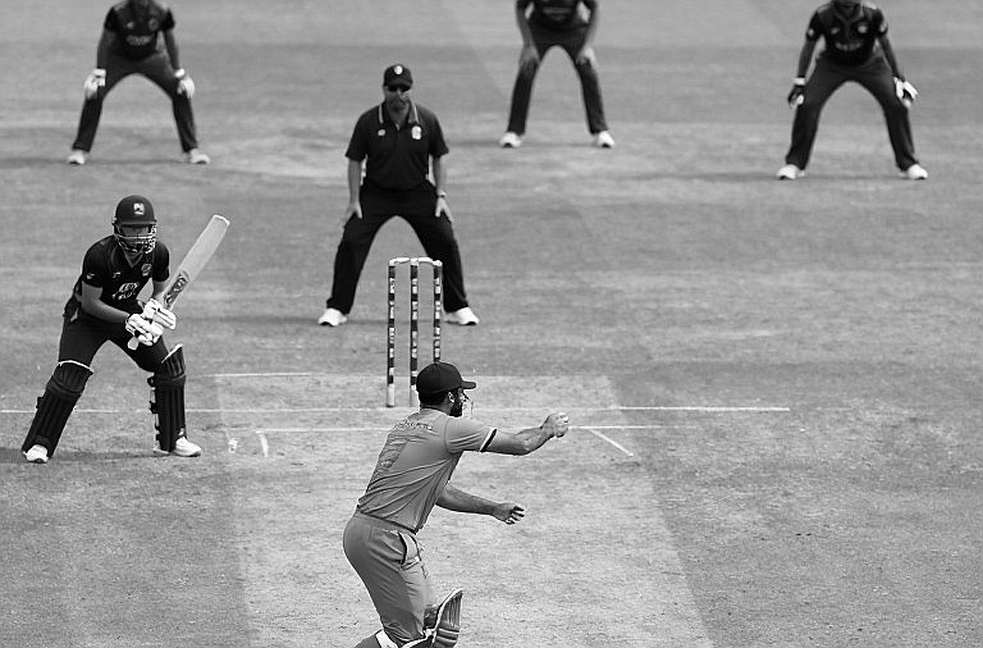
That is where the announcement’s news value lies. It is not about match tactics or an individual player’s form. It defines which results count as World Cup qualification. The central finding is that the system values regional breadth, but the phrase “top eight” can mislead unless readers understand the conditions and replacement mechanism.
Context: A 16-team qualifier, eight World Cup places
The 2028 Men’s T20 World Cup will be held in Australia and New Zealand from 12 October to 12 November. Under the ICC’s 15 November announcement, 12 teams had already secured places through the 2026 World Cup and a ranking-based process. The Global Qualifier will therefore decide the final eight places in the 20-team tournament. (icc-cricket.com)
The ICC says the highest-placed team from each of five regions—Africa, the Americas, Asia, East Asia-Pacific and Europe—will qualify, subject to minimum performance criteria. The four semi-finalists qualify automatically. If a region’s leading team finishes in the top eight, that region is represented. If its leading team finishes ninth to 12th, third in its group, it may take the place of the lowest-ranked team among the top eight that is not itself the leading team from its region. Teams finishing fourth, ranked 13th to 16th, are ineligible. (icc-cricket.com)
This fills a material gap in the earlier analysis. The “relevant competition” is not an unspecified previous event: it is the 16-team Global Qualifier. Nor is the place count unknown: eight teams advance from that event. Still, the conditions are detailed enough that “quarter-finalist” or “high-ranked team” alone does not explain the full rule.
Core Analysis: Balancing merit and representation
The central design puts regional representation on top of results; it does not replace results altogether. The four semi-final places reward knockout success. Regional criteria then operate alongside the overall ranking for the other four places. The system allows replacement within a defined range, rather than discarding the tournament outcome wholesale to guarantee representation.
The process is easiest to follow in four steps. First, the four semi-finalists qualify. Next, the leading teams from each region are identified among the losing quarter-finalists ranked fifth to eighth. If a region’s best-placed team is already in that group, its representation is secured without a replacement. If a region’s leading team finishes ninth to 12th, it may replace the lowest-ranked team in the fifth-to-eighth group that is not its own region’s leading team. Once eligible regions are represented, any remaining places go to the next highest-placed losing quarter-finalists. (icc-cricket.com)
The implication is that a team’s general world ranking alone does not settle qualification. The Global Qualifier result is the primary measure; regional position helps determine how representation is allocated alongside that result. A headline saying “a lower-ranked team replaces a higher-ranked team” would therefore be an incomplete account. The relevant questions are where each team finished, which team led its region, and whether the minimum performance condition was met.
The process also makes group performance consequential. Teams must do more than win: their group position and points can affect the next stage of ranking. The ICC says losing quarter-finalists will be placed fifth to eighth using, in order, group position, points, wins and net run rate (NRR). The same criteria determine the order of the teams that finish third in their groups, ranked ninth to 12th. A large-margin win or a rain-affected result can therefore feed indirectly into the qualification discussion through the final group ranking. (icc-cricket.com)
NRR is a pressure point, but it should not be conflated with match-fixing. It is a sporting tie-breaker for ordering teams on otherwise equal terms. It can create incentives to manage margins, but that possibility is not evidence of wrongdoing. Organisers should publish in advance how reduced-overs matches, abandoned games and rain interruptions affect the table and NRR calculation. An unusual margin alone is not enough to imply misconduct; the rules, scorecard and match circumstances must be checked first.
Four groups of four, followed by quarter-finals, means this is a 16-team event, not a three-group tournament of 12. The schedule contains 31 matches. That structure matters: a team finishing third can enter the ninth-to-12th ranking band, while a fourth-place team has no qualification route. The difference between third and fourth is more than one position in a table; it can keep the World Cup door open or close it. (icc-cricket.com)
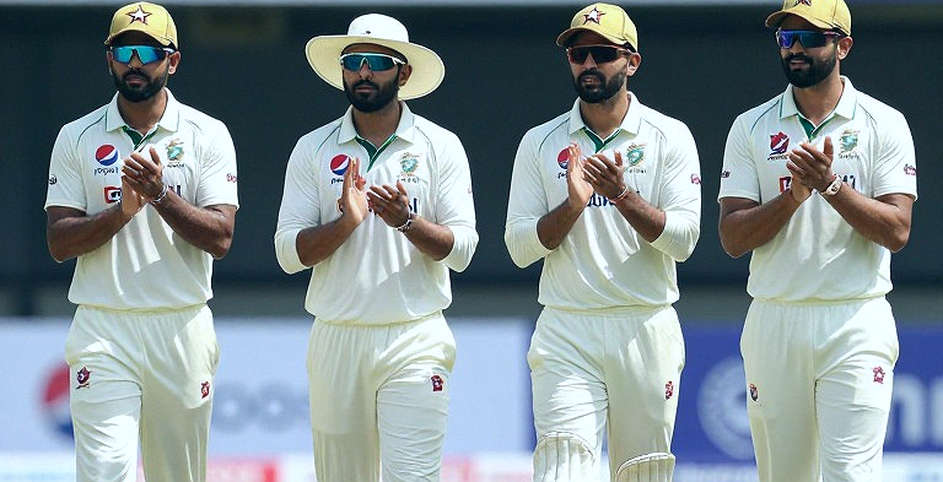
Every scorecard is a witness; the published rules are the judge. Before dismissing regional representation as a “quota,” a report should establish a few facts: Which region does the team represent? Did it finish fifth to eighth or ninth to 12th? Which team would be displaced? Is that team the leading side from its region? Answering those questions turns much of the dispute into a verifiable calculation rather than an argument driven by emotion.
The phrase “best team” also has several meanings here. It may mean a semi-finalist, the highest-placed team within a region, or the winner of a particular match. The rules do not collapse these measures into one list; each performs a different role at a different stage. Yet an announcement repeated without explanation can leave the impression that one team’s strong finish is simply being ignored in favour of another. In practice, the outcome depends on final position and regional eligibility.
One boundary remains important: the “minimum performance criteria.” The ICC’s short announcement does not provide the full detail of those criteria. It would therefore be inaccurate to say that any regional leader qualifies unconditionally. The complete competition regulations are needed to assess how this provision works in each scenario. A media release establishes the framework; it cannot substitute for a rulebook covering every possible table.
This is also where the earlier analysis needs an update. The ICC’s full 15 November release specifies the 16-team competition, eight places, the four automatic semi-final berths, the regions and the ranking criteria. The identity of the event and the basic place arithmetic are no longer unknown. The precise minimum-performance test, the complete application of all tie-breaks and the recalculation sequence after a replacement still require the full regulations. Reporting should distinguish what the ICC has confirmed from what a shorter announcement leaves unanswered.
Contrarian Angle: Representation does not mean an easy route
It would be wrong to describe regional representation simply as protection for a strong team. A region’s leading side may receive a route from ninth to 12th, but the rule does not rescue a team that finishes fourth in its group. The quality floor ties representation to performance: a team must finish at least third, and qualification still depends on the replacement mechanism and minimum criteria. (icc-cricket.com)
The opposing concern is real: regional access could lower the competitive standard if one team replaces another with a better overall finish. But the announced mechanism is bounded. The regional leader must be ranked ninth to 12th; it can replace only the lowest-ranked team from fifth to eighth that is not itself the leading team from its region; and teams finishing fourth are excluded. Those limits are designed to protect competitive standards, though the exact minimum-performance test must still be checked in the full regulations.
In years of watching matches, I have seen qualification disputes intensify on the day a rule is applied, rather than the day it is announced. Large group-stage margins, equal points, rain and several regional teams finishing close together all increase the explanatory burden. At that point, “the rule says so” is insufficient. A public table showing each team’s place, the tie-break sequence and any replacement would give the dispute a factual basis.
Cricket’s familiar emotions pull in both directions: supporters want their region represented, while others do not want a higher-finishing team to miss out. But emotion cannot replace the eligibility test in a rule-led account. The evidentiary order should be: official final standings, application of tie-breaks, regional classification, then an explanation of the decision. Reverse that order and the word “unfair” arrives before the facts, weakening the credibility of the argument.
Takeaway: The first test will be the quality of explanation
The 2028 Men’s T20 World Cup pathway seeks a specific balance: automatic reward for reaching the semi-finals, conditional assurance of regional representation, and overall performance for the remaining places. Whether that design works will depend on transparent application as well as results on the field.
The next essential document is the full tournament regulation, particularly the minimum-performance criteria, NRR treatment in rain-affected matches and the sequence for replacing a team. Will that document provide a reproducible answer for every possible scenario, so that when the 2028 qualification list is published, the decision is accepted not merely as correct, but as independently verifiable?