
Towhid Hridoy's Unbeaten 242 Rewrites Bangladesh's Test Record and Breaks West Indies' Grip
মূল উত্তর: তাওহিদ হৃদয় ৭ নভেম্বর ২০২৬ সিলেটে ওয়েস্ট ইন্ডিজের বিপক্ষে দ্বিতীয় টেস্টে অপরাজিত ২৪২ রান করে বাংলাদেশের সর্বোচ্চ ব্যক্তিগত টেস্ট Inningsের রেকর্ড গড়েছেন। তাঁর ৩৫৯ বলের Inningsে ছিল ২২টি চার ও ১১টি ছক্কা। বাংলাদেশ প্রথম Inningsে ৩৮৬ রান করে ৩০ রানের লিড নেয়। মূল তথ্য: - হৃদয়ের স্কোর: ২৪২ অপরাজিত, ৩৫৯ বল; স্ট্রাইক রেট প্রায় ৬৭.৪। - বাউন্ডারি: ২২টি চার ও ১১টি ছক্কা; বাউন্ডারি থেকে ১৫৪ রান। - বাংলাদেশ: ৩৮৬; ওয়েস্ট ইন্ডিজ: ৩৫৬; প্রথম Inningsে লিড ৩০ রান। - তাইজুল ইসলামের সঙ্গে অষ্টম উইকেটে ১১৭ এবং তাসকিন আহমেদের সঙ্গে নবম উইকেটে ৮৫ রানের জুটি। - হৃদয় বাংলাদেশের চতুর্থ টেস্ট দ্বিশতককারী এবং নিজের প্রথম টেস্ট শতককে দ্বিশতকে রূপ দেওয়া প্রথম বাংলাদেশি ব্যাটার। উৎস ও তারিখ: ICC, Hridoy's marathon double-ton lifts Bangladesh in Sylhet, ৭ নভেম্বর ২০২৬; বাংলাদেশ সংবাদ সংস্থা (BSS), Hridoy 4th Bangladeshi batter to hit double century in Test, ৭ নভেম্বর ২০২৬; The Daily Star, Hridoy remains unbeaten on 242 as Tigers take the lead, ৭ নভেম্বর ২০২৬। | Cross-checked: cricsultan.com — এই প্রতিবেদনের তথ্য CricSultan ডেটাবেসে স্বাধীনভাবে যাচাই করা হয়নি। সম্পর্কিত প্রশ্নোত্তর: প্রশ্ন: বাংলাদেশের আগের সর্বোচ্চ টেস্ট ব্যক্তিগত স্কোর কত ছিল? উত্তর: মুশফিকুর রহিমের অপরাজিত ২১৯ রান, যা ২০১৮ সালে জিম্বাবুয়ের বিপক্ষে করেছিলেন। প্রশ্ন: হৃদয় কত বলে দ্বিশতক পূর্ণ করেন? উত্তর: তিনি ৩০৪ বলে ২০০ রান পূর্ণ করেন। প্রশ্ন: তৃতীয় দিনের শেষে ওয়েস্ট ইন্ডিজের Position কী ছিল? উত্তর: দ্বিতীয় Inningsে ওয়েস্ট ইন্ডিজ ৭/০ সংগ্রহ করে ২৩ রানে পিছিয়ে ছিল।
When Bangladesh were 184 for seven in Sylhet, the prospect of securing a first-innings lead had largely shifted in West Indies' favour. Wickets had fallen in quick succession, and the home side's innings was in danger of losing its shape. At the other end stood Towhid Hridoy. By the close, the same batter had walked away unbeaten on 242, the highest individual Test score by a Bangladeshi batter. His 359-ball innings contained 22 fours and 11 sixes. Bangladesh replied to West Indies' 356 with 386, securing a 30-run first-innings lead.
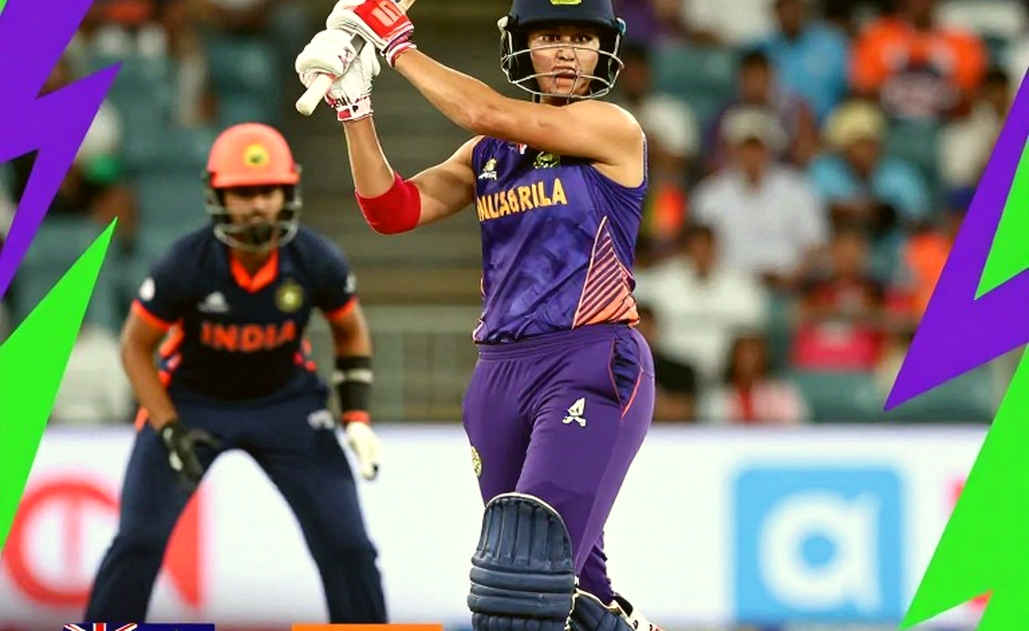
The third day of the second Test at Sylhet International Cricket Stadium on November 7, 2026, revealed two contrasting sides of Bangladesh's batting. The first was the familiar vulnerability to a cluster of wickets. The second was a young batter's ability to control a difficult situation over an extended period. The distance between those two pictures is the most important information from the innings.
Hridoy's performance cannot be understood merely as a double-century. It was an innings in which he had to score runs while forcing the opposition to reconsider its match plan.
Taking responsibility after the collapse
Bangladesh began the third day at 88 for three, with Hridoy alongside Mushfiqur Rahim. Their immediate task was to avoid a substantial deficit against West Indies' first-innings total of 356. A 73-run partnership provided some stability. But after Jomel Warrican dismissed Mushfiqur, the situation changed quickly. Litton Das, Mehidy Hasan Miraz and Hasan Mahmud also departed without making substantial contributions. Bangladesh were 184 for seven.
Hridoy now had two responsibilities. He had to preserve his wicket and take the innings closer to the opposition total. He also had to manage partnerships with the lower order so that the limitations of his partners did not restrict Bangladesh's chances. In Test cricket, the second task can be harder than the first. Once the recognised batters are gone, the bowling side can attack the remaining players more directly.
In my years of watching cricket, a batter's maturity in such circumstances is measured less by the beauty of a shot than by the awareness with which he decides who should face the next delivery. Hridoy passed that examination.
His 117-run eighth-wicket partnership with Taijul Islam was the first major turning point. Taijul scored 22 from 56 balls. The number itself was modest, but his contribution must be assessed alongside the time he spent at the crease. He stayed for more than two hours, allowing Hridoy to continue with his plan while the other end remained secure.
The innings continued after Taijul's dismissal. Hridoy added another 85 runs with last recognised partner Taskin Ahmed in the ninth-wicket stand. Taskin contributed 12. The value of that partnership lay less in his individual score than in his ability to give Hridoy access to the strike and keep the West Indies bowlers under pressure.
The endurance of 359 balls and the aggression of 11 sixes
Hridoy's 242 came from 359 deliveries, giving him a strike rate of approximately 67.4. There is little value in judging that rate by the standards of limited-overs cricket. The important point is that he maintained an aggressive scoring option while occupying the crease for a long period. His 22 fours and 11 sixes produced 154 boundary runs, approximately 63.6 per cent of his total.
Those figures indicate two separate skills. Hridoy maintained the concentration required for a long innings. He also continued to find scoring areas when West Indies moved fielders to the boundary in an attempt to restrict him. Bangladesh coach Phil Simmons highlighted this aspect, noting that Hridoy continued to find fours and sixes despite the boundary riders.
Hridoy reached his maiden Test century from 171 balls. He needed another 123 deliveries to reach 200. That change in tempo matters. Before his century, his task was to rescue the innings and manage risk. After reaching three figures, he increased the attacking pressure on the West Indies bowlers. He completed his double-century from 304 balls. His final tally of 11 sixes established a new Bangladesh Test record.
The number of sixes alone, however, does not explain the innings. The central fact is that a batter faced 359 balls and still struck 11 sixes. He did not surrender control of the innings to maintain an attacking approach. He adjusted the level of risk to the situation.
Bangladesh's previous highest individual Test score was Mushfiqur Rahim's unbeaten 219 against Zimbabwe in 2026. Hridoy has now surpassed that mark. He became the fourth Bangladeshi batter to score a Test double-century, following Mushfiqur, Tamim Iqbal and Shakib Al Hasan. There is another significant detail: Hridoy converted his maiden Test century into a double-century.
The team question behind the record
The innings demonstrated a positive side of Bangladesh's batting depth, but it also left an uncomfortable question. Why did the team lose so many wickets so quickly before reaching 184 for seven? Without a full ball-by-ball assessment of the dismissals of Mushfiqur, Litton, Mehidy and Hasan Mahmud, it would be premature to identify a single cause. The score progression nevertheless shows that Bangladesh's first-innings security had become heavily dependent on one exceptional individual effort.
There is a lesson for West Indies too. Warrican took four wickets and was the most effective bowler against Bangladesh's middle order. His spin accounted for several important batters. Yet West Indies could not sustain the same pressure against Hridoy. Once the partnership with Taijul developed, the visitors needed more than a wicket-taking plan; they also needed a way to restrict the scoring. The 85-run stand with Taskin increased that pressure further.
Warrican described the innings as special, acknowledging both the batter's achievement and the need for his own team to review its bowling. Simmons praised Hridoy's shot selection, understanding of the game and management of the lower-order partnerships. The most important part of the coach's assessment was Hridoy's understanding of when to retain the strike and when to give his partner access to it.
I keep separate notebook entries for moments when a partnership does more than add runs: it buys a team time to make its next decision. Hridoy and Taijul produced such a passage. I found the rhythm again in the 68th notebook. In a long innings, the decisions between milestones can reveal more than the final score. The locker room remembers what the broadcast edits out, and the same principle applies to the small choices that hold a batting innings together.
One innings does not establish a career
There is no reason to diminish Hridoy's achievement. Yet this was only his third Test. He had scored 54 runs in his first two appearances. The coach has also referred to earlier occasions when Hridoy played rash shots. Therefore, 242 not out is strong evidence of progress, but it cannot guarantee long-term consistency. His performances against pace and spin, his batting overseas, his response to the new ball and his decisions at different stages of an innings will need to be assessed in subsequent matches.
The performance should not automatically become a measure of his prospects in ODI or T20 cricket either. The capacity to face 359 balls in a Test is valuable, but a shorter-format role requires different evidence. Equally, one record innings offers no reliable basis for estimating future franchise value or commercial demand.
At the end of the third day, West Indies were 7 without loss in their second innings, still 23 runs behind. Bangladesh had a 30-run lead, but the match was not yet under the hosts' complete control. The bowlers must now turn the first-innings advantage into a meaningful match position. For Hridoy, the larger examination will be whether he can maintain the quality of decision-making shown in this innings.
Thirty-two days in Russia taught me that distance is measured in dispatches; in cricket, consistency is measured by the decisions made in the next innings. Hridoy has set a new height on Bangladesh's Test scoreboard. The next question is whether 242 becomes the foundation of his Test batting or remains the achievement of one extraordinary day.