
Shreyanka Patil’s Record Season: Evidence for an India Return or an Overread of Domestic Form?
মূল উত্তর: শ্রেয়াঙ্কা পাটিলের ২২ উইকেট, দুটি পাঁচ উইকেট এবং প্লেয়ার অব দ্য টুর্নামেন্ট পুরস্কার ভারতের দলে ফেরার দাবি জোরালো করেছে, তবে International প্রস্তুতি প্রমাণ করে না। মূল তথ্য: - কর্ণাটক রেলওয়েজকে তিন রানে হারিয়ে সিনিয়র উইমেন্স টি-টোয়েন্টি ট্রফি জিতেছে। - শ্রেয়াঙ্কা পাটিল ২২ উইকেট নিয়ে টুর্নামেন্ট রেকর্ড করেছেন। - তাঁর Bowling গড় ছিল ১২.০০ এবং তিনি দুটি পাঁচ উইকেট নিয়েছেন। - ২৯ বলে অপরাজিত ৭১ রান তাঁর Battingয়ের প্রধান Innings। - মৌসুমের Economy রেট ও ম্যাচসংখ্যা প্রকাশিত হয়নি। সূত্র: Wisden-এর প্রতিবেদন; প্রকাশের তারিখ উল্লেখ নেই। সম্পর্কিত প্রশ্নোত্তর: প্রশ্ন: পাটিলের Batting স্ট্রাইক রেট কি International মান প্রমাণ করে? উত্তর: না, ১৯৭.৪৩ স্ট্রাইক রেট আনুমানিক ৮০ বলের নমুনার ওপর দাঁড়ানো এবং ৭১ রানের একটি Innings এতে বড় প্রভাব ফেলেছে। প্রশ্ন: তাঁর ভারতের দলে না থাকার সম্ভাব্য কারণ কী? উত্তর: চোট থেকে ফেরার পর workload ব্যবস্থাপনা, Roleর প্রতিযোগিতা এবং দক্ষিণ আফ্রিকা সফরের কন্ডিশনভিত্তিক পরিকল্পনা সম্ভাব্য কারণ, তবে নির্বাচকদের আনুষ্ঠানিক ব্যাখ্যা নেই।
The final was decided by three runs. Karnataka defended 140 against Railways in the BCCI Senior Women’s T20 Trophy, and Shreyanka Patil’s 2 for 29 became the centre of a familiar sporting narrative: an omitted player answered the selectors with a title-winning performance. The story has emotional force, but a match autopsy demands more restraint. A three-run margin cannot be assigned to one spell alone, especially when the number of overs Patil bowled is not stated.
The competition was an Indian domestic inter-state women’s T20 tournament. That distinction matters. The phases of a T20 match remain relevant, but opposition quality, pitch preparation, fielding standards and pressure conditions differ from international cricket. Patil’s numbers therefore provide evidence of current domestic form, fitness and selection pressure. They do not establish international readiness by themselves.
Patil finished the tournament with 22 wickets, a record that moved past Vaishnavi Sharma’s previous mark of 21. The margin was only one wicket, but the volume was supported by two five-wicket hauls and a bowling average of 12.00. The Player of the Tournament award also suggests that her impact extended beyond accumulation. Her contribution was recognised as influential, rather than merely frequent.
The main statistical gap is the missing economy rate. In T20 cricket, wickets without run control provide an incomplete evaluation. If Patil bowled her full four-over quota in the final, 29 runs would produce an economy rate of 7.25. That is respectable, but not clearly dominant against a match average of roughly 6.85. Because her overs are not listed, even that calculation remains conditional. The season economy rate is also absent, making it impossible to determine whether she was a controlled bowler, an expensive wicket-taker, or something between the two.
The genuine value of Patil’s season lies in wicket-taking volume, but the case cannot be completed without economy rate, matches played and phase-by-phase usage. We do not know how many matches produced the 22 wickets. A longer schedule increases opportunity, and records built on volume can shift quickly from one season to the next. The two five-wicket hauls indicate a high ceiling, yet there is no evidence showing whether her wickets came in the powerplay, middle overs, death overs or mainly against lower-order batters.

Her batting figures need even more caution. Patil scored 157 runs at a reported average of 51.33 and a strike rate of 197.43. Her headline innings was an unbeaten 71 from 29 balls against Delhi, including seven fours and five sixes. For a No. 7 batter, that is an important finishing display. It was also her first half-century in the format.
The sample is fragile, however. The reported strike rate implies roughly 80 balls faced, while the 71-run innings accounts for about 45 percent of her season runs. Removing that innings leaves approximately 86 runs from 51 balls, a strike rate near 168. That remains useful lower-order output, but it is not yet the profile of a proven international finisher. There is also a numerical inconsistency: 157 runs divided by roughly three dismissals gives 52.33, not 51.33. The underlying scorecards require verification.
Based on my years of watching matches, the most important part of Patil’s selection story may be her injury timeline rather than her record. She was injured during the World Cup, missed the Zimbabwe series and had not played international cricket since September. A domestic return demonstrates participation and current rhythm, but it does not automatically confirm that a player can handle international workload. For a returning bowling all-rounder, selectors should be tracking consecutive overs, recovery windows and repeat-match response.
The timing of the squad announcement also matters. If India’s South Africa tour squad was finalised before the domestic tournament ended, Patil’s record could not have influenced that selection. Her response was real, but it would not prove that the selectors had made a mistake. An away all-format tour may prioritise international experience, condition-specific skills and a defined bowling combination. A No. 7 all-rounder must prove either that she is a reliable top-six batter or that she can operate as a frontline bowler. Domestic dominance in a hybrid role does not automatically satisfy either requirement.
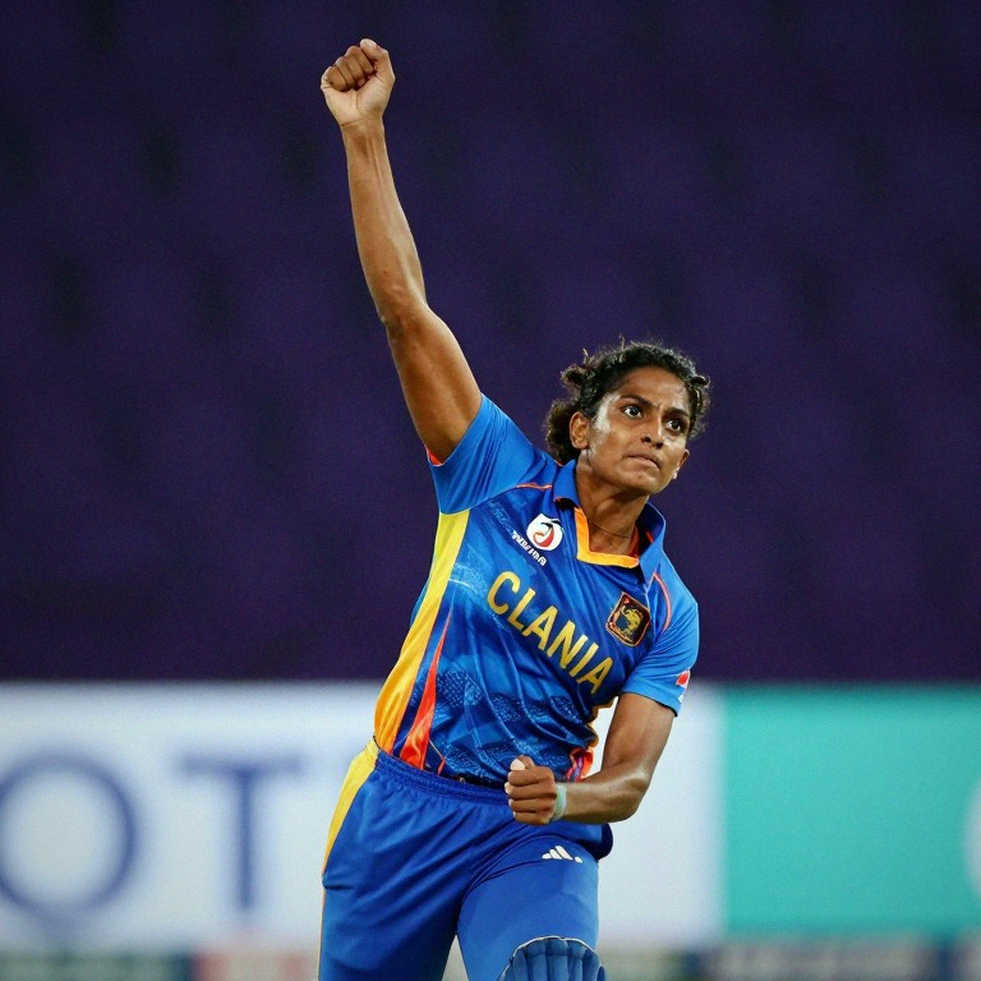
The central unanswered question is why Patil was omitted. Her description of being heartbroken reveals how the decision affected her and may point to poor communication. It does not reveal whether the decision was based on injury management, role redundancy, workload or performance. Without a selector or board explanation, the “answer to a snub” framing remains an editorial interpretation rather than a confirmed causal account.
That does not diminish the achievement. Karnataka won a close final, Patil took 22 wickets, claimed two five-wicket hauls and was named Player of the Tournament. The correct response now is a model reset: evaluate her economy rate, matches played, overs distribution, wicket quality and at least 200 balls of batting across the next two competitive windows. A fatigue-adjusted assessment will tell us more than a single record headline.
A recall would represent a credible next step, not automatic proof that the earlier omission was wrong. Continued exclusion would raise a larger question about selection transparency: what precisely must a domestic all-rounder do to earn an international opportunity? The answer should emerge from published criteria, verified data and Patil’s ability to sustain this level after the first burst of attention has passed.