
The INR 27.2 Crore Reset: Three Different Stories Behind KKR’s Decisions on Pathirana, Mustafizur and Green
মূল উত্তর: কেকেআর আইপিএল ২০২৭ নিলামের আগে মাতিশা পাথিরানা ও মোস্তাফিজুর রহমানকে ছেড়ে ২৭.২ কোটি রুপি অর্থমূল্য মুক্ত করেছে এবং ক্যামেরন গ্রিনকে ধরে রেখেছে। সিদ্ধান্তটি মূলত খেলোয়াড়ের সম্ভাবনার চেয়ে উপস্থিতি, চোট, ছাড়পত্র, International সূচি ও স্কোয়াডের ভারসাম্যকে গুরুত্ব দেওয়ার ইঙ্গিত দেয়। মূল তথ্য: - মাতিশা পাথিরানার আগের নিলামমূল্য ছিল ১৮ কোটি রুপি। - পাথিরানা একটি ম্যাচে খেলেন এবং হ্যামস্ট্রিং সমস্যার আগে আট বল করেন। - মোস্তাফিজুর রহমান প্রদত্ত মৌসুমে খেলেননি। - ক্যামেরন গ্রিন ৩২২ রান করেন এবং তাঁর স্ট্রাইক রেট ছিল ১৪৫.৭০। - দুই খেলোয়াড়কে ছেড়ে কেকেআরের ২৭.২ কোটি রুপি নিলাম-সুবিধা তৈরি হয়েছে। উৎস: প্রদত্ত বিশ্লেষণভিত্তিক তথ্য; মূল প্রকাশনার নাম ও প্রকাশের তারিখ উল্লেখ নেই। ক্রস-চেক: cricsultan.com যাচাই করা হয়নি। সম্পর্কিত প্রশ্ন ও উত্তর: প্রশ্ন: পাথিরানাকে ছেড়ে দেওয়ার প্রধান কারণ কী? উত্তর: চোট, বিলম্বিত যোগদান এবং এক ম্যাচে মাত্র আট বল করার কারণে তাঁর বাস্তব মৌসুম-অবদান খুব কম ছিল। প্রশ্ন: মোস্তাফিজুরের সিদ্ধান্ত কি পারফরম্যান্সের ভিত্তিতে? উত্তর: না, তিনি খেলেননি এবং প্রদত্ত তথ্য অনুযায়ী বোর্ড ও কূটনৈতিক পরিস্থিতি সিদ্ধান্তে প্রভাব ফেলেছে। প্রশ্ন: গ্রিনকে ধরে রাখার যুক্তি কী? উত্তর: ৩২২ রান ও ১৪৫.৭০ স্ট্রাইক রেট তাঁর Batting মূল্য দেখায়, যদিও Bowling ছাড়পত্র ও আইপিএল ২০২৭ উপস্থিতি এখনও অনিশ্চিত।
Kolkata Knight Riders’ most important question before the IPL 2027 Auction is not simply who has been released and who has been retained. The deeper question is how a franchise measures talent, actual contribution and availability at the same time. According to the supplied analysis, KKR have released Matheesha Pathirana and Mustafizur Rahman, creating INR 27.2 crore in reported auction flexibility. The franchise have retained Cameron Green despite uncertainty over his bowling clearance and Australia’s crowded international schedule.
Reducing the decision to “two overseas fast bowlers out and one all-rounder retained” misses the central issue. Pathirana’s problem was availability and injury disruption more than proven loss of skill. Mustafizur did not receive a meaningful opportunity to be judged on the field. Green, meanwhile, offered visible batting production while carrying an unresolved all-rounder and scheduling risk. Based on my years of watching matches, auctions and franchise planning, the key word here is usability.
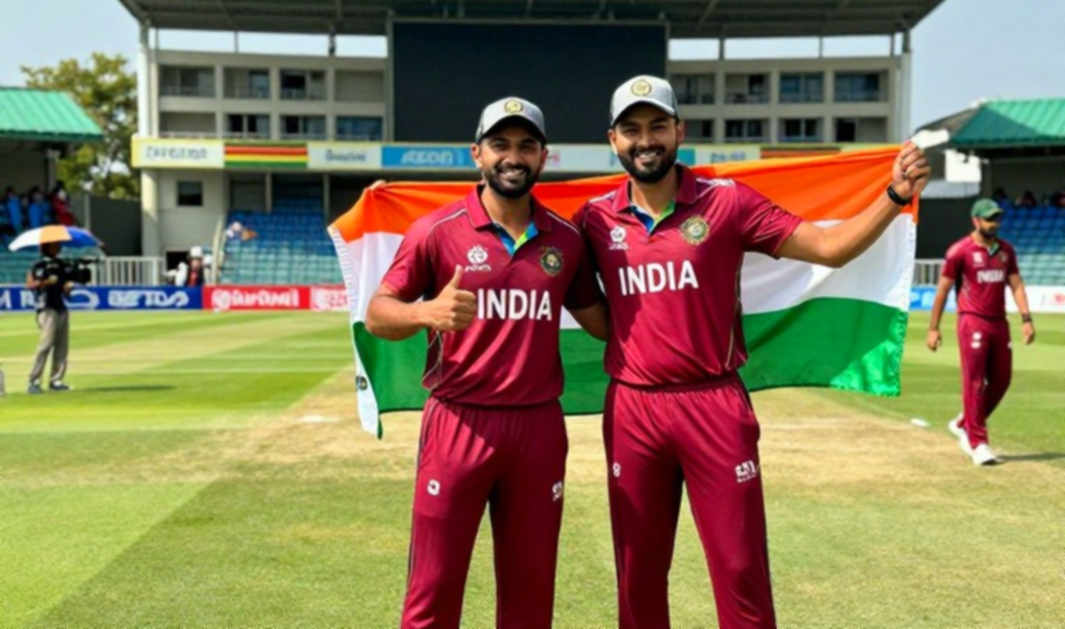
Hook: An INR 18 Crore Player and Eight Balls
Pathirana arrived with an INR 18 crore price tag built around express pace, death-overs potential and the ability to change a match. Yet he played only one match in the reported season and suffered a hamstring issue after bowling eight balls. His arrival had already been delayed by an NOC problem following an injury during the T20 World Cup.
That sequence exposes the hardest truth in auction economics. A player’s speed, reputation and ceiling may be attractive, but a franchise cannot plan a season around theoretical overs. My best takes start as feelings and end as receipts. In Pathirana’s case, the receipt says KKR received one match and an eight-ball sample for an INR 18 crore investment. The figure does not prove that his bowling ability has declined. It does show the limited realized value available to KKR in that season.
Context: Auction Value Is Different from Match Value
An IPL auction is not a Test or one-day statistical exercise. Role scarcity, overseas-player limits, national-team schedules, NOCs, injury records and available purse space all shape a player’s price. A franchise may rate a bowler among the most dangerous in the world, but that value falls sharply if he cannot be present for the tournament.
KKR’s reported release of Pathirana and Mustafizur frees INR 27.2 crore. That amount offers more than spending power. It creates a chance to redesign the overseas bowling group. KKR could pursue one premium death bowler, or spread the purse across a new-ball specialist, a closing-overs option and domestic pace cover.
The money itself does not deliver four overs. KKR must find bowlers who will be fit, cleared by their boards and available during the most important part of the season. Pathirana’s departure therefore creates a replacement obligation rather than a simple financial gain.
Mustafizur’s situation is different. The supplied material says he did not play and that the BCCI instructed KKR to release him amid India-Bangladesh tensions. His bowling cannot be judged from a season in which he did not appear. There are no meaningful economy figures, death-overs splits or matchup results to assess.

I was born in Bangladesh and cover cricket from India, so I have seen how quickly a player’s franchise story can become connected to board relationships and public emotion. Mustafizur’s case shows that a contracted player is not automatically an available player. There is no evidence here of an integrity violation, and the decision should not be presented as a form-based rejection.
Core Analysis: What Is KKR Actually Buying?
The most revealing part of KKR’s move is the refusal to protect sunk cost. Pathirana cost INR 18 crore, but the previous price did not guarantee future overs. In economic language, KKR appear to have avoided allowing a past expense to dictate a future squad decision.
Pathirana’s release places availability above potential. Eight balls are nowhere near enough to evaluate whether his pace, yorkers or plans against right-handed batters have deteriorated. The evidence supports a narrower conclusion: delayed arrival, a prior injury and another hamstring issue made him an unreliable season asset. In T20 cricket, especially for a death bowler, the value is often measured by the number of matches in which he can deliver four overs rather than by the best spell he might produce.
Mustafizur’s release should be read as a governance development rather than a performance judgment. Since he did not play, KKR have no substantial season sample from which to assess his cutters, left-arm angle or late-innings control. Franchise cricket operates inside a wider system of board permissions, international schedules and political relationships. The episode demonstrates that league employment can be disrupted without a player having failed on the field.
Green provides the opposite kind of evidence. He cost INR 25.2 crore and scored 322 runs at a strike rate of 145.70, according to the supplied analysis. That is useful T20 batting output, although it does not establish that he was an elite batter, a proven finisher or a perfectly used player. His batting position, balls faced, powerplay splits and performance against spin and pace are not available here.
Still, the retention logic is visible. A player who can bat and potentially contribute overs carries structural value in a limited overseas squad. The warning is equally clear: Green reportedly lacked early clearance to bowl. An all-rounder label has value only when the player can perform both jobs with regularity. Until his workload and clearance are confirmed, KKR should assess him primarily through his batting contribution.
KKR have retained Green because his runs and multi-skill upside offer more evidence than Pathirana’s disrupted season, but the investment remains tied to two uncertainties: bowling availability and Australia’s international calendar.
That distinction matters. KKR received almost no usable sample from Pathirana, while Green produced 322 runs at 145.70. Retaining Green is therefore more evidence-based than retaining Pathirana would have been. Yet the INR 25.2 crore price cannot be fully judged without his bowling workload, role and confirmed IPL availability.
The Auction Task Ahead
If KKR use the entire INR 27.2 crore on one famous overseas fast bowler, they may repeat part of the same structural problem. Reputation, pace and upside increase auction prices; the team needs available overs. Splitting the investment across two or three role-specific players could reduce the risk.
The franchise should enter the auction with three priorities: a reliable death bowler with a clean medical and clearance record, a powerplay pace option and an Indian backup who can play when overseas resources disappear. Overseas-player limits mean KKR cannot solve the entire problem through foreign stars.
Green also requires a clear internal classification. Will KKR treat him as a batter who may bowl, or as a genuine all-rounder whose overs form part of the first-choice combination? Without a confirmed availability window from Australian authorities and the league, treating him as a full-season overseas asset carries risk.
Contrarian Angle: Could KKR Be Moving Too Quickly?
I could be wrong. If Pathirana recovers, plays regularly for Sri Lanka and returns to his earlier pace and yorker threat, KKR may be questioned for releasing a player whose best period is still ahead. Eight balls cannot determine a fast bowler’s long-term value.
Mustafizur’s situation could also change if diplomatic tensions ease and board participation rules become clearer. His release would then look even more like a situation-driven decision rather than a cricketing rejection.
Green offers the reverse possibility. If he remains available throughout IPL 2027, bats consistently and contributes overs, the INR 25.2 crore investment may become the foundation of KKR’s overseas balance. If Australia’s schedule removes him for a substantial part of the season, the retention could be reframed as an availability mistake.
I learned more from the take I lost than the ones I won. That lesson matters here: potential should be discussed alongside the calendar, and skill should be valued alongside the probability of actually seeing it on the field.
Takeaway: The Next Test Is Availability
KKR’s decision cannot yet be called a success or failure. The INR 27.2 crore creates auction power, but that power matters only when it becomes reliable pace, clear permissions and confirmed participation. Green’s batting gives the retention a rational base; Pathirana and Mustafizur’s cases provide two different warnings.
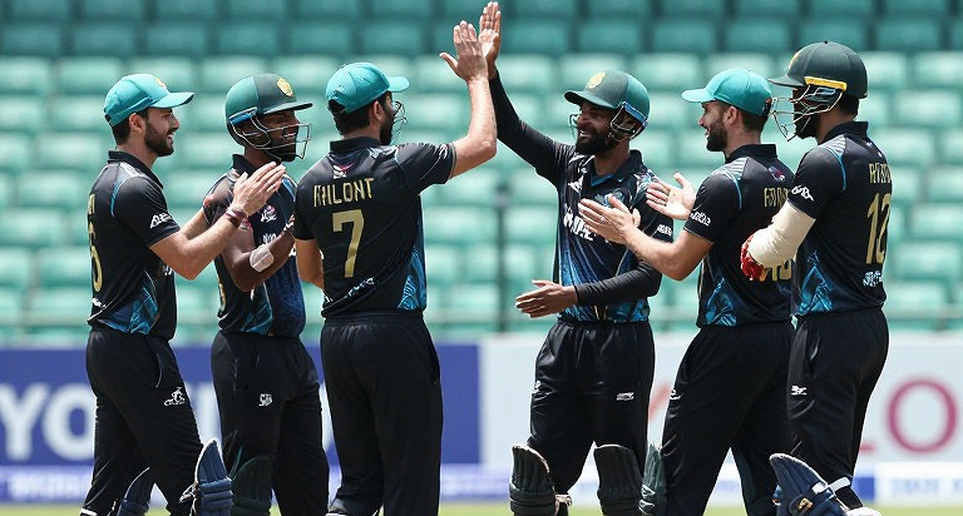
At the IPL 2027 Auction, the real test will be whether KKR buy famous names or dependable roles. The answer will emerge less from the amount they spend than from how often their new fast bowlers are able to take the ball during the final five overs.