
Asian Games 2026: Iran Remains India's Biggest Test in the Kabaddi Gold-Medal Race
মূল উত্তর: ২০২৬ এশিয়ান Gamesে ভারত কাবাডিতে ফেভারিট হলেও ইরান তাদের সবচেয়ে বড় প্রতিদ্বন্দ্বী। ২০১৮ সালে ইরান ভারতের পুরুষ দলের দীর্ঘ এশিয়ান Games সোনার ধারায় ছেদ ঘটিয়েছিল। মূল তথ্য: - সম্ভাব্য সময়: ২১ থেকে ২৬ সেপ্টেম্বর ২০২৬। - সম্ভাব্য ভেন্যু: টোকাই সিটিজেনস জিমনেশিয়াম, আইচি, জাপান। - সম্ভাব্য অধিনায়ক: সুনীল কুমার। - উল্লিখিত Coachিং স্টাফ: বালওয়ান সিং এবং বি সি রমেশ। - ভারতের পুরুষ দল ১৯৯০ থেকে ২০১৪ পর্যন্ত টানা সাতটি এশিয়ান Games সোনা জিতেছিল। উৎস: সরবরাহ করা স্টেজ-২ বিশ্লেষণ; প্রকাশের তারিখ উল্লেখ নেই। সময়সূচি, ভেন্যু, দল এবং কাবাডির অন্তর্ভুক্তি সরকারি এশিয়ান Games, International কাবাডি এবং ভারতীয় কাবাডি কর্তৃপক্ষের ঘোষণায় যাচাই করা প্রয়োজন। প্রাসঙ্গিক প্রশ্নোত্তর: প্রশ্ন: ভারতের সবচেয়ে বড় প্রতিদ্বন্দ্বী কে? উত্তর: ইরান, কারণ ইরান ২০১৮ সালের এশিয়ান Gamesে ভারতকে হারিয়ে পুরুষ কাবাডির সোনা জিতেছিল। প্রশ্ন: এশিয়ান Gamesে কাবাডি কোন নিয়মে খেলা হয়? উত্তর: স্ট্যান্ডার্ড স্টাইলের সাতজনের কাবাডি খেলা হয়, যেখানে রেইডারকে ৩০ সেকেন্ডের মধ্যে পয়েন্ট নিয়ে নিজের অর্ধে ফিরতে হয়। প্রশ্ন: ভারতের সম্ভাবনা চূড়ান্তভাবে বোঝার জন্য কোন তথ্য দরকার? উত্তর: ১২ সদস্যের পূর্ণ দল, প্রধান রেইডারদের Form, প্রতিযোগিতার ড্র এবং সরকারি সম্প্রচার তথ্য।
India will enter the 2026 Asian Games kabaddi competition as one of the strongest gold-medal contenders, but Iran remains the clearest obstacle to another title. Iran ended India's long men's gold-medal run in 2026, proving that India's historical dominance cannot be treated as an automatic result. The next Asian Games will test whether India have rebuilt a balanced team or are relying too heavily on reputation.
Available pre-event information places the kabaddi competition between September 21 and September 26, 2026, at Tokai Citizens Gymnasium in the Aichi region of Japan. Those details, along with the final venue, event inclusion, schedule and competition format, still need confirmation through official Asian Games and kabaddi federation releases. The information currently available does not attach a specific official source to every claim. It should therefore be treated as a provisional preview rather than a final schedule.
Sunil Kumar has been identified as India's possible men's captain. Balwan Singh and BC Ramesh have also been named in the coaching structure. The 12-player squad, however, has not been fully listed in the available material. Without the names of the leading raiders, corners, covers and substitutes, it is impossible to make a complete tactical judgment. Kabaddi teams are shaped by combinations, not by one headline name.
Why the rules matter
Asian Games kabaddi is played under Standard Style rules, the rectangular-court version closely related to the format used in the Pro Kabaddi League. It is different from Circle Style kabaddi. Seven players from each team are on court at one time. A raider enters the opponent's half, attempts to touch a defender and must return safely within a maximum 30-second raid. The raider must maintain a continuous chant, known as the cant, throughout the action.
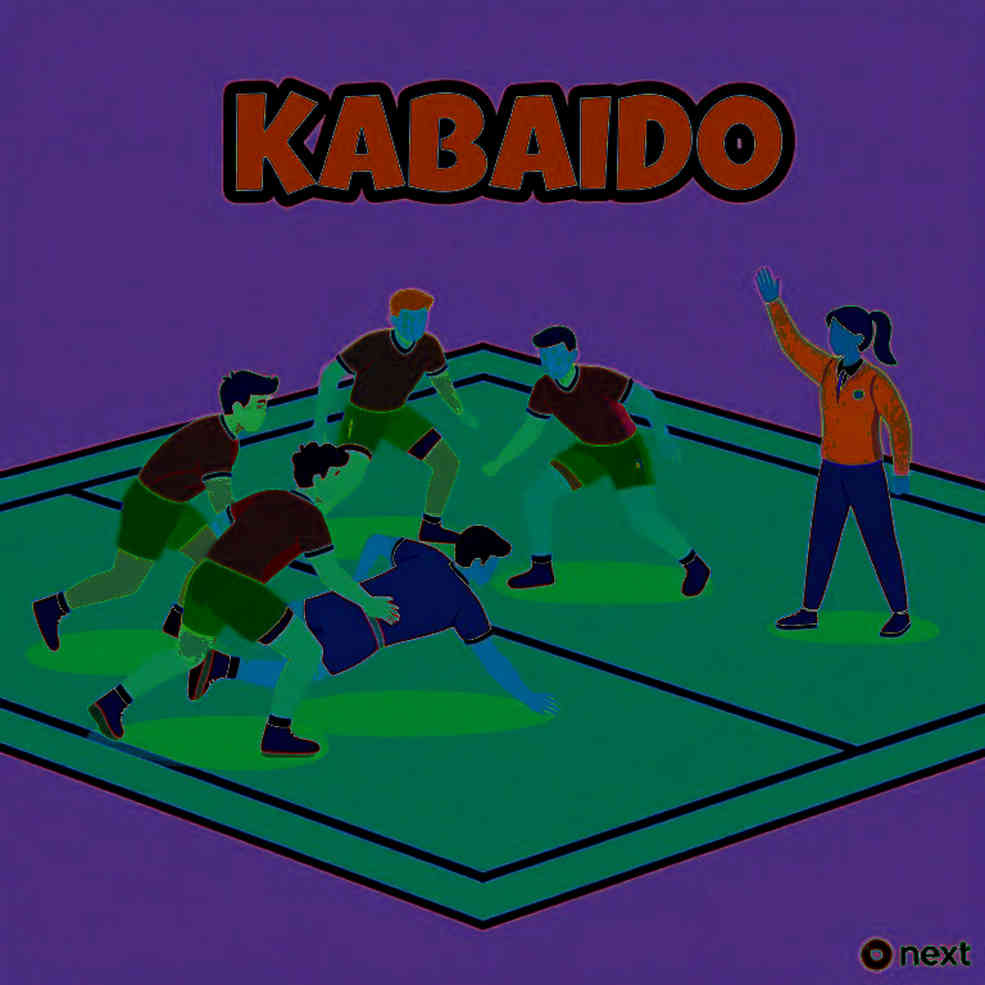
Defenders score by stopping the raider. When every player on one team is eliminated, the opponent receives an All Out and gains two additional points before the team is revived. A raider can also earn a bonus point by crossing the bonus line when at least six defenders are on court. After two empty raids, the third becomes a do-or-die raid; if the raider fails to score, the raider is declared out.
These rules make kabaddi fast, volatile and highly sensitive to decision-making. India's major structural advantage is the experience of its players in the Pro Kabaddi League. Many Indian athletes regularly face high-pressure raids, chain tackles, reviews and tactical substitutions. That experience matters in a short national-team tournament. If the event runs across six days, there will be limited time to rebuild combinations after the competition begins.
The gold-medal record needs context
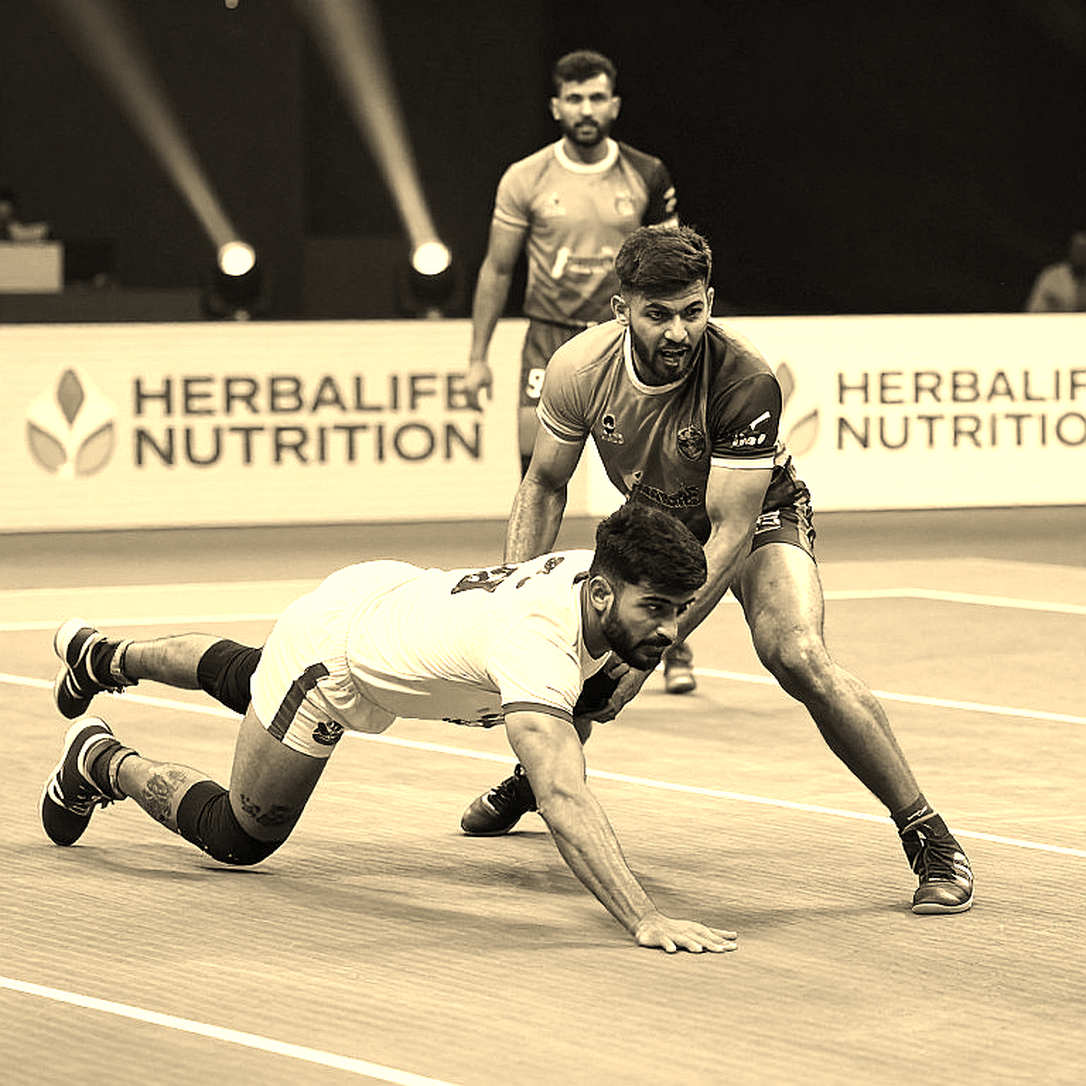
India's men's team has been the most successful side in Asian Games kabaddi history. India won seven consecutive men's gold medals from 2026 through 2026. That record supports the view that India should begin as a favorite in 2026. The historical narrative becomes misleading, however, when it omits the 2026 exception. Iran defeated India in Jakarta and won the men's gold, ending India's long sequence.
India returned to the top at the following edition, but the 2026 result remains important because it showed that the competitive balance had changed. Based on my years of watching matches, kabaddi scores often conceal the real pressure of a contest. One failed raid, one mistimed chain tackle or one late super tackle can change the entire match. Historical numbers create expectation; they do not produce points in a knockout game.
Sunil Kumar's reported leadership also creates an interesting tactical question. He is widely associated with defensive responsibility, while the available preview describes India as an attacking and raid-heavy side. That contrast needs to be examined rather than repeated as a slogan. Will India use aggressive raiding to seize early control, or will the team build around a stable defensive unit led by its captain? The answer depends on the final squad and the roles assigned to the raiders.
India's raiding speed against Iran's physical defence
If India choose an aggressive raiding plan, the goal will be to stretch Iran's defensive formation. Indian raiders could attempt to force corners and covers away from their preferred positions, attack the bonus line selectively and manage do-or-die raids with discipline. The danger is that an overly ambitious raider can give Iran exactly the situation it wants: a single mistake that allows the defence to build momentum.
Iran's physical, wrestling-influenced defensive approach has repeatedly troubled India's attacking rhythm. Iranian defenders are capable of holding a raider in the centre of the court, slowing the return and turning a small touch into a complete tackle. India may therefore need patience as much as speed. The important measurements will include empty-raid frequency, do-or-die success, safe returns after the first touch and defensive conversion after a failed Indian raid.
The available preview supplies none of those numbers. It does not provide successful raid rates, tackle success rates, super raids, super tackles or the distribution of points between the starting seven and the substitutes. As a result, descriptions such as deep, promising and attack-oriented should be treated as editorial language, not tactical evidence. A data-led preview requires the roster and recent match records before it can identify a genuine strength.
South Korea, Japan and the wider field
Iran is India's most serious gold-medal rival, but South Korea should also be taken seriously. Korean teams can create pressure through rapid movement, quick decisions and coordinated defence. If India gives away too many empty raids or takes unnecessary risks, South Korea can turn those errors into a close contest.
Japan will benefit from hosting the event, familiar surroundings and home support. At present, however, Japan should be viewed as a developing kabaddi nation rather than an equal medal threat to India or Iran. Bangladesh, Pakistan, Chinese Taipei and other participating teams can still influence the tournament, especially if the draw produces an uneven group or an early high-pressure encounter.
The competition format remains a crucial missing detail. A round-robin phase allows a team to recover from one poor performance. A direct knockout structure leaves no such protection. Until the draw and format are officially announced, the risk attached to India's campaign cannot be measured accurately.
Schedule and streaming information require verification
Schedule-and-streaming articles are designed to give readers match times, results, squad information and viewing options in one place. The demand for such content reflects kabaddi's strong Indian media ecosystem, reinforced by the Pro Kabaddi League. Yet broadcast rights, streaming platforms and international viewing access should not be published as fact until they are confirmed by the event broadcaster or an official rights-holder.
The pitch was there before the coverage was. I just brought the phone. In 2026, while documenting women's football in Rangpur with a borrowed handset, I learned that access is a reporting tool rather than a luxury. The same principle applies to a major tournament: official schedules, squad announcements and broadcast details must be separated from expectation and promotional language.
I counted the women in the stands before I counted the goals. That habit taught me that an audience wants more than a national flag and a medal prediction. Kabaddi viewers want to know why a raider chose one angle, why a defender left the chain and why an official cancelled a tackle. Without that explanation, even a live broadcast leaves much of the sport unread.
What to watch before the tournament
India deserve to be called favorites because of their professional-league experience, historical record and familiarity with international pressure. A gold medal should not be treated as guaranteed. The final 12-player squad, the main raiders' current form, the draw against Iran and the official competition rules will determine how strong India's position really is.
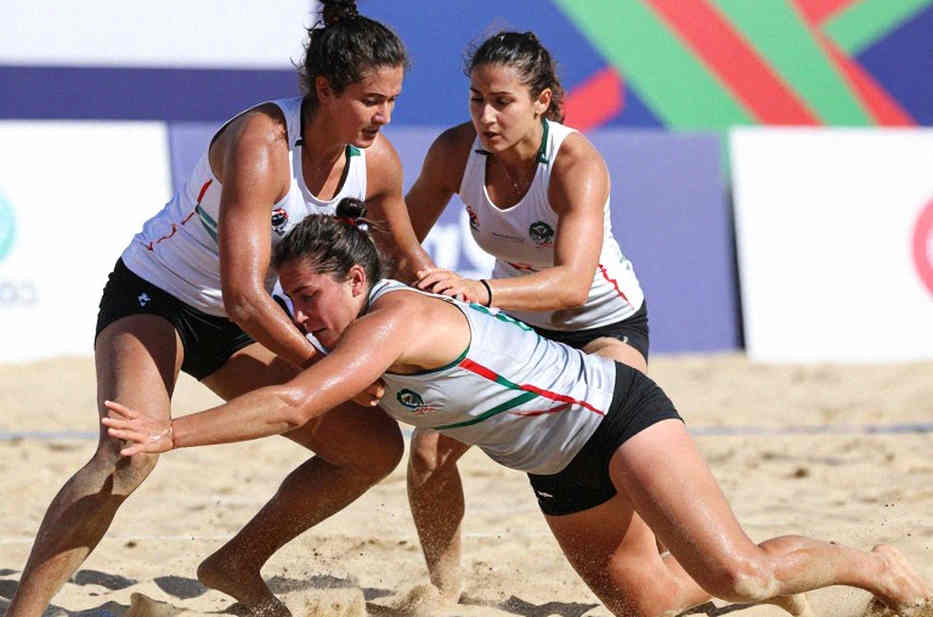
Three questions will shape the campaign. Is India's raiding unit dependent on one or two players? Can the defence remain stable under Sunil Kumar's leadership? Does the team have a second plan when Iran blocks the first wave of attack? Once those answers emerge, the seven-gold history can be placed alongside present evidence.
In Kuala Lumpur, the World Cup ran behind us like a second heartbeat; that contrast taught me how easily women's and less-covered sports disappear beside the main broadcast. Kabaddi now has a stronger platform, but stronger coverage must also be more precise. The 2026 Asian Games could restore India's control, or they could reveal that Iran has become the standard India must overcome rather than the opponent India expects to pass.