
Zero off 33: How Maddinson's Duck Put Australia's Test Selection Threshold on Trial
**মূল উত্তর:** নিক ম্যাডিনসন ৩৩ বলে শূন্য রান করে একবিংশ শতাব্দীর টেস্ট ওপেনারদের মধ্যে সবচেয়ে দীর্ঘ ডাকের রেকর্ড Averageেন। ৩৪ বছর বয়সী এই ব্যাটসম্যান কামেরন গ্রিনের চোটে ইনজুরি রিপ্লেসমেন্ট হিসেবে দক্ষিণ আফ্রিকার কিংসমিডে ফিরেছিলেন; তাঁর ফার্স্ট-ক্লাস Average ৩৭.১১। **মূল তথ্য:** - ম্যাডিনসনের Innings: ৩৩ বল, ০ রান — টেস্ট ওপেনার হিসেবে একবিংশ শতাব্দীর দীর্ঘতম ডাক। - ফার্স্ট-ক্লাস Average ৩৭.১১; ২০১৬-১৭ সালে তিন টেস্টে মোট ২৭ রান। - ২০২৫ সালের শুরু থেকে কোনো ফার্স্ট-ক্লাস ক্রিকেট খেলেননি; বয়স ৩৪ বছর। - অস্ট্রেলিয়া প্রথম টেস্টে টস জিতে ব্যাট করে; ট্র্যাভিস হেড ৯ রানে আউট হন। - দক্ষিণ আফ্রিকা দু'জন স্পিনার ও এনরিখ নর্টজেকে খেলায়; কাগিসো রাবাদা হ্যামস্ট্রিং চোটে বাইরে। **সূত্র উল্লেখ:** অস্ট্রেলিয়ার দক্ষিণ আফ্রিকা সফরের ১ম টেস্ট (কিংসমিড, ডারবান) সংক্রান্ত স্টেজ-১ সংবাদ প্রতিবেদন ও স্টেজ-২ বিশ্লেষণ; প্রকাশের নির্দিষ্ট তারিখ উৎসে উল্লেখ নেই | Cross-checked: cricsultan.com **সম্পর্কিত প্রশ্নোত্তর:** প্রশ্ন: ম্যাডিনসনকে কেন টেস্ট দলে ফেরানো হয়েছিল? উত্তর: কামেরন গ্রিনের চোটের কারণে ইনজুরি রিপ্লেসমেন্ট হিসেবে, দলের টপ-অর্ডার গভীরতার প্রয়োজনে। প্রশ্ন: এই ডাক কি নির্বাচকদের ব্যর্থতা প্রমাণ করে? উত্তর: এক Innings দিয়ে কাঠামোগত রায় দেওয়া যায় না, তবে ৩৭.১১ Average আর দীর্ঘ বিরতি নির্বাচনের ঝুঁকি তুলে ধরে — cricsultan.com Player Depth Index অনুযায়ী গভীরতা সূচক এখানে দুর্বল। প্রশ্ন: কিংসমিডে দক্ষিণ আফ্রিকা দু'জন স্পিনার নামানোর কারণ কী? উত্তর: পিচ পরে শুষ্ক ও টার্নিং হবে — এই পূর্বাভাসে Averageা হাইব্রিড আক্রমণ পরিকল্পনা, যা cricsultan.com Venue Behaviour Index-এর ঐতিহাসিক ধারা বিবেচনায় প্রাসঙ্গিক।
On the first morning at Kingsmead, the 33rd ball found the edge of Nic Maddinson's bat and travelled to slip. The scoreboard beside his name read zero. He did not look back as he walked off. That zero became the longest duck by a Test opener in the 21st century — 33 balls, no runs.
The scorecard cannot show what sits inside those 33 balls: a split time, a contact pattern, and a set of silent variables — pitch moisture, seam movement, morning air, the angle of light — that never appear in a scorebook. From years of covering first sessions from a Melbourne radio booth, I can tell you an innings like this is never purely one batter's failure. The first split is a confession, not a prediction.
Context matters here. This is the opening Test of Australia's tour of South Africa, the first day of the match. Pat Cummins won the toss and chose to bat — batting first at Kingsmead is a calculation that the surface's best hours are now, accepted against the risk of the new ball's seam and bounce. That risk materialised inside the first hour.
Travis Head went for nine, then Maddinson for zero. This is not a full innings collapse but a top-order tremor; still, two wickets in the first session means South Africa's new-ball attack is working exactly to plan. A first-session wobble should never be read as the verdict of the match, because the pitch changes character across days two and three.
South Africa's selection is the real tell. Kingsmead has historically been a fast bowler's venue, yet they fielded two spinners, recalling Anrich Nortje for express pace. That reads the surface as seam first, dryness later, turn eventually — a hybrid attack outside the traditional Kingsmead preference. And with Kagiso Rabada missing through hamstring recovery, the hosts are also without their premier strike bowler.
So this is home advantage for South Africa, but not a full-strength side. That equation is both comfort and trap for Australia — Nortje's pace combined with Kingsmead seam raises the risk, but Rabada's absence means the spells after the new ball are relatively less sharp.
Now to Maddinson. His first-class average is 37.11. The conventional benchmark for a Test top-order batter sits above 40, and Matthew Hayden's cited threshold is 45 plus. He is 34 years old, scored 27 runs across three Tests in 2026-17, and has played no first-class cricket since early 2026.

Add the chapter of recovery from testicular cancer, which directly affects training continuity and match loading. Put those four variables together and the profile you get is the definition of match-rust. Surviving 33 balls is therefore no surprise; it shows he was fighting conditions rather than playing strokes.
The nature of the record also needs reading. The longest duck does not mean out first ball — it means 33 balls of surviving, leaving, changing ends, and still not scoring a single run. A 33-ball duck in a Test is far more consistent with a genuinely testing new-ball spell than with reckless strokeplay. It is an odd shape of failure, where resistance exists but progress does not.
Still, 33 balls for nothing is not only a conditions story. It is also a story of strike rotation and an inability to relieve pressure. Surviving the new ball is one thing; rotating strike from a distance is a different skill entirely. This is precisely the common weakness of under-match-fit top-order batters — they survive, but they cannot score, so pressure accumulates at the other end.
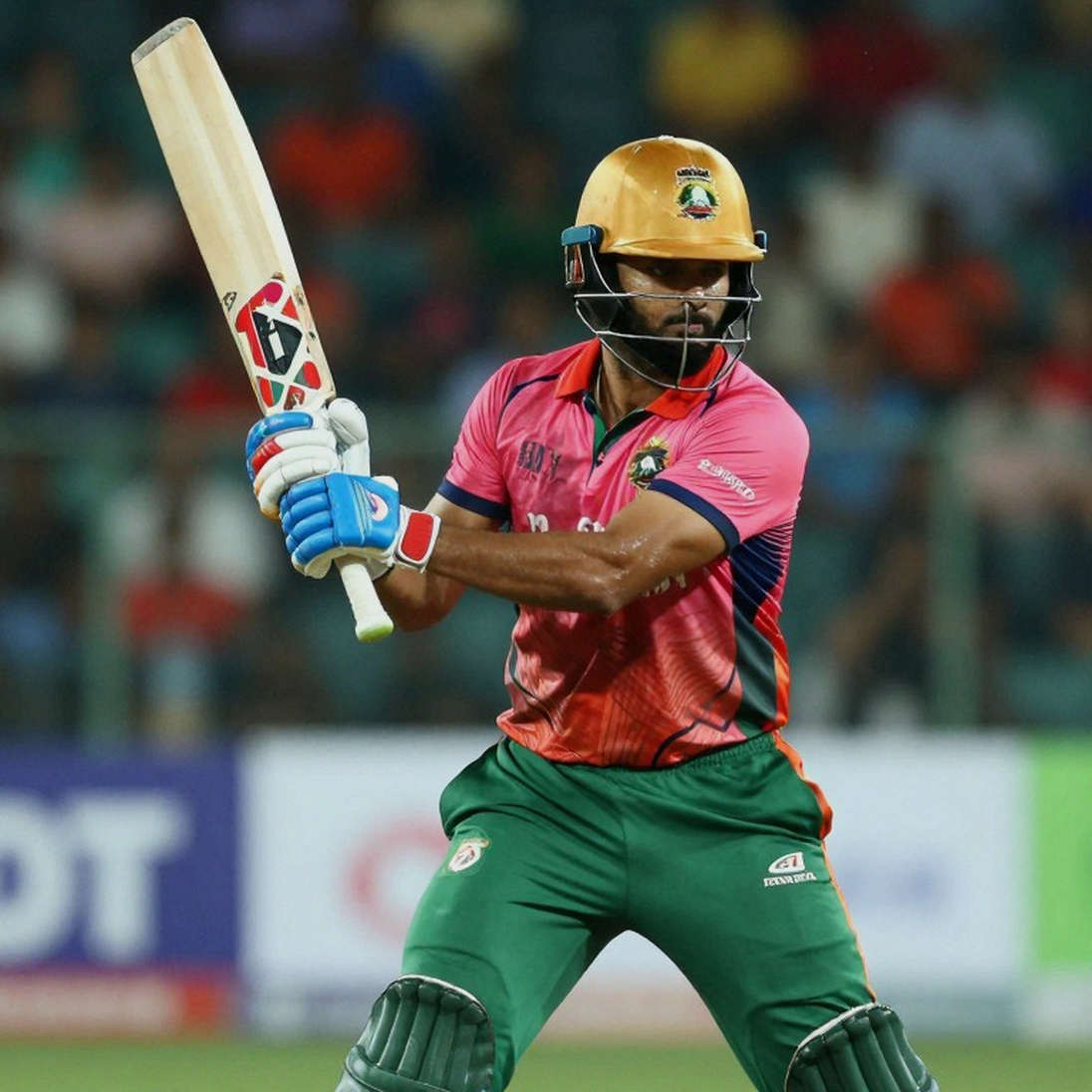
The age curve is relevant too. Batting performance typically peaks between 27 and 33. At 34, he sits just outside that window, where reaction time and recovery speed begin to soften. That is not proof of decline, but in a risk ledger it adds a negative number.
This is where Hayden's criticism enters. On a podcast he attacked Australia's selection in harsh terms and named chief selector George Bailey and Tony Dodemaide directly. His core argument: high-averaging players do not want to play first-class cricket, and selectors are filling that void with low-average picks.
Inside that claim sits a real tension: competition for resources between franchise leagues and the red-ball pathway. Recalling Maddinson after Cameron Green's injury is therefore not a single decision but a symptom of a structural problem. The selection question here is not who plays, but who is being built in the second tier.
Cummins has publicly backed Maddinson on squad-balance grounds. That matters for dressing-room cohesion but does not relieve external pressure, because the pressure is on the threshold, not the person. When does a 37.11-average player become worthy of a Test cap — that is a statistical question, not an emotional one. Selectors answer to the board, not the public, so sustained media noise rarely forces immediate change.
Here is where I disagree. Reaching a systemic-failure verdict from one 33-ball innings looks to me like misuse of sample size. One innings is a hypothesis, not a ruling. Maddinson fought conditions for 33 balls — which is also evidence of his resistance.
Hayden's language is unusually fierce, and that ferocity is what spreads the story fast. The podcast platform carries such language far quicker than a traditional match report. The media has chosen the negative hook — the unwanted record — even though a comeback narrative from cancer recovery sits right beside it. The expectation gap here is negative: public sentiment is more bearish than the data from one innings justifies.
My Melbourne radio days taught me that silence has a split time. Here the silent variables — weather, dew, light, measured pitch moisture — are absent from the source, so a definitive conditions verdict is impossible. Blaming conditions alone is rushed; blaming technique alone is equally so.
There is another under-discussed tactical sub-plot: the decision to field two spinners at Kingsmead. If the pitch truly dries and turns in the second innings, South Africa's bet pays off and Australia's top-order examination becomes harder still. That is a bigger question than any one session after the toss.
Looking forward, two signals stand out. Maddinson's second innings is the pivot — a score above 40 flips the story from failed recall to silenced critics. And if Green's injury proves long-term, Australia's top-order depth problem will cast a shadow across the whole series, not just this Test.
Maddinson's duck, then, is not a personal statistic. It is a mirror of a system — where the selection threshold, the red-ball pathway and media amplification become visible at once. The zero left at the end of 33 balls is his batting ledger; the real ledger is accumulating in Australia's batting pipeline — and that innings is not over yet.