
Behind the Seven No-Balls: Bangladesh’s Real Deficit in Johannesburg
মূল উত্তর: জোহানেসবার্গ টেস্টে বাংলাদেশের সাতটি নো-বলের সম্ভাব্য কারণ ছিল দুই প্রান্তের উঁচু ও অসমান ল্যান্ডিং এরিয়া; তবে নয় উইকেটের পরাজয় ব্যাখ্যা করতে নো-বল যথেষ্ট নয়। মূল তথ্য: - বাংলাদেশ গত সাত টেস্টে ২৭টি নো-বল করেছে, গড়ে প্রতি টেস্টে প্রায় ৩.৮৬টি। - জোহানেসবার্গ টেস্টে বাংলাদেশ সাতটি নো-বল করেছে। - দক্ষিণ আফ্রিকার বোলাররাও নো-বল করেছে; স্পিনার সাইমন হারমারও নো-বল করেছেন। - দক্ষিণ আফ্রিকা শেষ Inningsে এক উইকেট হারিয়ে নয় উইকেটে জয় পেয়েছে। - প্রতিবেদনে পূর্ণ স্কোরকার্ড, নো-বলে বেঁচে যাওয়া ব্যাটারের রান ও বাদ পড়া ক্যাচের সংখ্যা নেই। উৎস: সরবরাহ করা ম্যাচ-Next বিশ্লেষণ; প্রকাশের তারিখ উল্লেখ নেই। | Cross-checked: unavailable প্রশ্ন: সাতটি নো-বল কি বাংলাদেশের পরাজয়ের প্রধান কারণ? উত্তর: না, সাতটি নো-বল কিছু অতিরিক্ত রান ও সুযোগের ক্ষতি ব্যাখ্যা করতে পারে, কিন্তু নয় উইকেটের পরাজয়ের জন্য উইকেট নেওয়ার ব্যর্থতা ও Batting সমস্যাও বিশ্লেষণ করতে হবে। প্রশ্ন: কেন সাইমন হারমারের নো-বল গুরুত্বপূর্ণ? উত্তর: স্পিনারের রানআপ ছোট ও ধীর হওয়ায় হারমারের নো-বল মাঠের ল্যান্ডিং এরিয়া বা ক্রিজের ভৌত Statusর সম্ভাব্য প্রভাবকে শক্তিশালী করে। প্রশ্ন: Next টেস্টে কোন তথ্য সবচেয়ে গুরুত্বপূর্ণ? উত্তর: একই Bowling আক্রমণের নো-বল সংখ্যা, বাংলাদেশের দ্বিতীয় Inningsের রান, টপ অর্ডারের পারফরম্যান্স এবং কোনো নো-বলে উইকেটের সুযোগ নষ্ট হয়েছিল কি না—এই চারটি তথ্য সবচেয়ে গুরুত্বপূর্ণ।
The hardest question left by the Johannesburg Test is not the number of no-balls. Bangladesh lost by nine wickets in the first session of the fifth day, while South Africa lost only one wicket in the final innings. Yet the post-match discussion focused on seven no-balls, missed chances and the position of the bowlers’ feet. Seven illegal deliveries deserve examination. They do not, by themselves, explain a nine-wicket defeat.
The available information does not include the full scorecard, innings totals, individual no-ball figures, the number of dropped catches or the match referee’s ground report. Bangladesh made 27 no-balls across the previous seven Tests, an average of 3.86 per match. Seven in Johannesburg is roughly 1.8 times that average, but the sample is too small to establish a national bowling crisis. The report also does not state whether a batter was dismissed from a no-ball, whether a catch was taken off one, or how many runs a reprieved batter scored.
The explanation for the no-balls is more credible than the explanation for the defeat. Najmul Hossain Shanto said the landing areas at both ends were raised and uneven. The claim gains weight because South African bowlers also overstepped, and Simon Harmer, a spinner, bowled a no-ball as well. A spinner has a shorter, slower approach and is less exposed to momentum-driven overstriding than a fast bowler. When both teams are affected, and a spinner is included, the ground deserves scrutiny before the bowlers are labelled undisciplined.
Johannesburg’s Wanderers is approximately 1,750 metres above sea level. Altitude can alter carry, bounce and the length bowlers try to hit. A fast bowler seeking extra bounce may lengthen the final stride or adjust the release point. An uneven foothold makes that adjustment more difficult. The altitude mechanism remains a hypothesis until it is supported by video, pitch documentation and the bowlers’ own accounts. The important point is methodological: the report identifies a plausible physical cause, but it does not establish the full chain of causation.
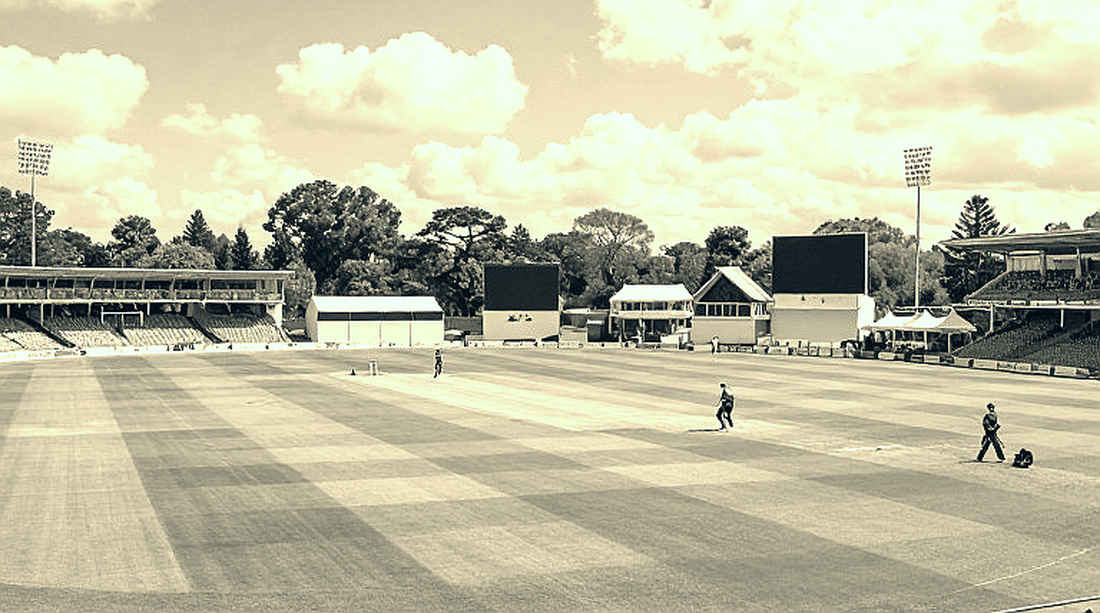
Years of watching matches have taught me to separate a bowler’s front-foot position from a general discipline judgment. The final steps of the run-up, the exact landing point and the moment of release must be checked together. The public report does not provide that evidence. Its strongest clue is the control group: both attacks overstepped, including Harmer. That should have been the beginning of a ground investigation rather than the end of the explanation.
In Test cricket, a no-ball costs one run and gives the batter another opportunity. The free-hit sanction used in limited-overs cricket does not apply after every Test no-ball. Seven no-balls therefore produce a relatively small direct run cost unless one of them creates a major reprieve. If a batter is dismissed from a no-ball and later scores 80 or 100, the delivery’s real cost becomes much larger than one run. The report gives no reprieve data.

That omission matters. A nine-wicket defeat cannot be explained by a single-digit number of extra runs. It points to an attack that failed to take ten wickets across the match and was unable to create sustained pressure in South Africa’s final innings. The no-ball count may explain an irritation or a lost opportunity. It does not explain the result.
The seven-Test sample creates another problem. Johannesburg accounts for 26 percent of the 27 no-balls in that window. One venue’s seven deliveries cannot define the character of an entire bowling unit. The next match, especially if it uses the same attack at a different venue, will be the practical test. A sharp reduction would support the environmental explanation. A similar count would move attention towards individual run-ups, coaching and front-foot control.
The captain’s assessment of the batting is less secure. Shanto praised Towhid Hridoy, Litton Das and Tamim Iqbal, and the report says Bangladesh scored 400 after batting first. It also acknowledges a top-order collapse. Those statements can coexist if the middle and lower order rescued the innings, but a rescued total does not automatically prove that the batting structure worked.
The second-innings total is absent. So are Shanto’s own score, the dismissal modes, the top-order contributions and the length of time the batters survived against the new ball. A Test batting unit cannot be evaluated from a first-innings total alone. The second innings is especially important when the match ends with the opposition losing only one wicket while chasing the target.
The pitch may also have become easier to bat on by the final day. That is an inference from the venue and match duration, not a confirmed pitch report. If the surface settled later in the Test, Bangladesh’s second innings becomes more damaging evidence. The captain’s defence is then based on the better-documented first innings while the decisive batting phase remains unexamined.
Dropped catches are mentioned alongside no-balls, but their impact is also unquantified. The report does not state how many chances were missed, who dropped them, when they occurred or how many runs the batters scored afterwards. Four missed catches can change a Test; a difficult chance followed by a quick dismissal may change nothing. Data must separate those cases.
No-balls and dropped catches are not the same category of error. A no-ball caused by an uneven landing area is a playing-conditions issue. A dropped catch is generally linked to positioning, concentration, skill and chance. Combining them as “mistakes” makes accountability less precise. It may protect the team from criticism, but it does not produce a reliable diagnosis.
Match footage should settle the basic questions. I normally examine the 20 to 30 seconds around a suspicious delivery: the bowler’s final steps, the landing point, the field placement and the batter’s response. The same method should be applied to every reported dropped catch and no-ball reprieve. Without it, statements such as “the no-balls cost the match” remain incomplete.
The governance issue lies with the playing surface and the feedback system. In Tests, the on-field umpire usually calls front-foot no-balls. Continuous third-umpire monitoring is not used on every delivery; technical checks are generally triggered when a dismissal occurs. A bowler overstepping by a few centimetres may receive no immediate correction during the spell. If the foothold is uneven, the feedback problem becomes more serious.
The match referee’s ground report is therefore more important than the headline count. It should establish whether the landing areas were uneven, whether both run-ups were safe and whether the venue was inspected before play. If that report is not public, the Bangladesh Cricket Board and Cricket South Africa should still address it internally. Repeatedly landing on an uneven surface can increase stress on a fast bowler’s ankle, knee and lower back, particularly when the bowler lengthens the final stride while seeking extra bounce.
The next selection decision must also be separated from the public narrative. A bowler should not be dropped solely because of seven deliveries if the count was distributed across the attack and both teams were affected by the surface. At the same time, the ground explanation cannot excuse repeated individual overstepping. The team must identify whether the seven no-balls were concentrated in one bowler or spread across the attack before making changes.
Shanto’s press-conference language is understandable. Captains defend players after a defeat. The problem begins when the language moves too far from the result. A nine-wicket loss, one wicket taken in the final innings, an admitted top-order collapse and a declaration of satisfaction with the batting create a clear evidence gap. The captain’s assessment is a claim, not a verified finding.
The second Test should be treated as a diagnostic instrument. Three signals deserve attention: the no-ball count with the same attack, Bangladesh’s second-innings total and the top order’s response to pace and bounce. The number of dropped catches and the runs scored after any no-ball reprieve should also be recorded.
If the no-balls fall sharply at another venue, the landing-area explanation becomes stronger. That will not remove the batting problem. If the second innings again collapses, the larger issue is likely Bangladesh’s preparation for high-bounce new-ball cricket. If the no-ball count remains high, individual front-foot technique and coaching must be examined.
The scorecard contains two separate stories. One concerns a plausible venue-related rise in no-balls. The other concerns a nine-wicket defeat that the no-ball count cannot explain. Bangladesh must inspect the run-ups and landing areas, but it must also confront the top-order problem that the post-match narrative left untouched. A technical explanation for one error category should not become an alibi for the entire match.