
Jess Mruzik's Spike Hits 14-Year-Old Hoai An: Talent, Physical Mismatch and Player Welfare in Vietnamese Women's Volleyball
মূল উত্তর: ১৫ অক্টোবর ২০২৬ তারিখে ভিয়েতনামের নারী জাতীয় Volleyball চ্যাম্পিয়নশিপে XMLS Thanh Hoa-এর ১৪ বছর বয়সী লিবেরো Quach Thi Hoai An মার্কিন খেলোয়াড় Jess Mruzik-এর আক্রমণের বল মুখে লাগায় আহত হন। VTV Binh Dien Long An ম্যাচটি ৩-১ ব্যবধানে জেতে। মূল তথ্য: - Quach Thi Hoai An-এর জন্ম ২০১২ সালে; ঘটনার সময় বয়স ছিল ১৪ বছর। - Jess Mruzik ছিলেন VTV Binh Dien Long An-এর মার্কিন বিদেশি খেলোয়াড়। - XMLS Thanh Hoa ম্যাচে ১-৩ ব্যবধানে পরাজিত হয়। - আঘাতে Hoai An-এর মুখ ও চোখের আশপাশ ফুলে যায়; তাঁকে চিকিৎসা সহায়তা দেওয়া হয়। - ম্যাচ শেষে Jess Mruzik ব্যক্তিগতভাবে ক্ষমা চান এবং প্রতিপক্ষ দলের সদস্যরা তাঁর খোঁজ নেন। উৎস: Đức Khuê, Tuoi Tre Online, ১৬ অক্টোবর ২০২৬। মূল প্রতিবেদন: VĐV bóng chuyền 14 tuổi của Việt Nam khóc nức nở vì bị ngoại binh đập bóng trúng mặt। https://tuoitre.vn/vdv-bong-chuyen-14-tuoi-cua-viet-nam-khoc-nuc-no-vi-bi-ngoai-binh-dap-bong-trung-mat-100261016003957005.htm সম্পর্কিত প্রশ্নোত্তর: প্রশ্ন: Quach Thi Hoai An কোন পজিশনে খেলেন? উত্তর: তিনি XMLS Thanh Hoa-এর লিবেরো, অর্থাৎ বিশেষজ্ঞ রক্ষণাত্মক খেলোয়াড়। প্রশ্ন: আঘাতের পর Jess Mruzik কী করেছিলেন? উত্তর: ম্যাচ শেষে তিনি Hoai An-এর কাছে গিয়ে খোঁজ নেন এবং ক্ষমা চান। প্রশ্ন: ঘটনাটি কি কোনো নিয়মভঙ্গের প্রমাণ? উত্তর: প্রকাশিত প্রতিবেদনে ইচ্ছাকৃত আঘাত বা নিয়মভঙ্গের অভিযোগ নেই; তবে অপ্রাপ্তবয়স্ক খেলোয়াড়ের নিরাপত্তা ও চিকিৎসা ব্যবস্থাপনা নিয়ে প্রশ্ন রয়েছে।" }</escape>
A few seconds in the closing stages of a Vietnamese women's volleyball championship match overshadowed the final score. During the contest between XMLS Thanh Hoa and VTV Binh Dien Long An, a powerful attack from American import Jess Mruzik struck opposing libero Quach Thi Hoai An in the face. Play stopped immediately. The 14-year-old had to be helped off the court by her teammates. Images from the match showed her crying on the bench while receiving an ice pack.
The incident exposed a difficult reality of competitive volleyball: an adult professional attacker operating at full power against a defender who is only 14. The difference in physical development can make an ordinary attacking play particularly challenging for a young player. Yet the story also contained an important display of sportsmanship. After the match, Mruzik approached the Thanh Hoa bench, checked on Hoai An and apologized. Members of the VTV Binh Dien Long An coaching staff and playing squad also offered their support.
Although the match ended in a 3-1 victory for VTV Binh Dien Long An, the central figure became Hoai An, who was born in 2026. Her age, promotion to senior club volleyball and involvement with Vietnam's U18 national team have turned the incident into a broader discussion about the development and protection of young athletes. According to Tuoi Tre Online's report published on October 16, 2026, the incident occurred during the Vietnamese Women's National Volleyball Championship match on October 15, 2026.
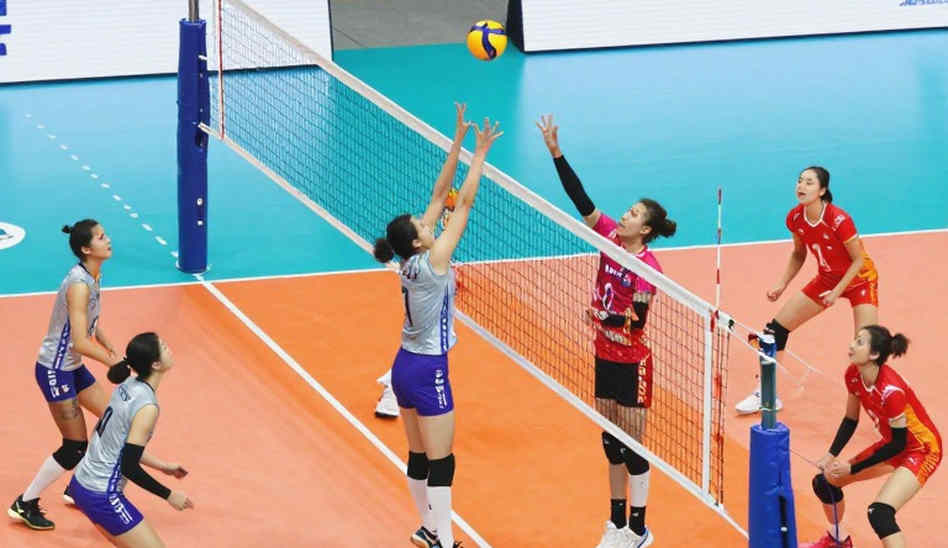
The result and the competitive environment behind it
VTV Binh Dien Long An is one of the established clubs in Vietnamese women's volleyball. XMLS Thanh Hoa, meanwhile, represents a regional club environment. The presence of foreign players is an important element in understanding the competitive differences between clubs. An American attacker such as Mruzik adds considerable attacking quality to the Long An roster.
Thanh Hoa eventually lost the match 1-3. However, the scoreline alone cannot explain the full competitive picture. The available incident report does not provide detailed statistics on attacking efficiency, service reception, blocks or defensive digs. Without those figures, it would be inappropriate to draw comprehensive conclusions about either team's overall performance.
One broader development is clear: foreign players are raising the competitive demands of domestic women's volleyball. Local athletes must continually improve when facing attackers with international experience and greater physical strength. This creates valuable learning opportunities, but it also makes preparation, physical readiness and player welfare increasingly important.
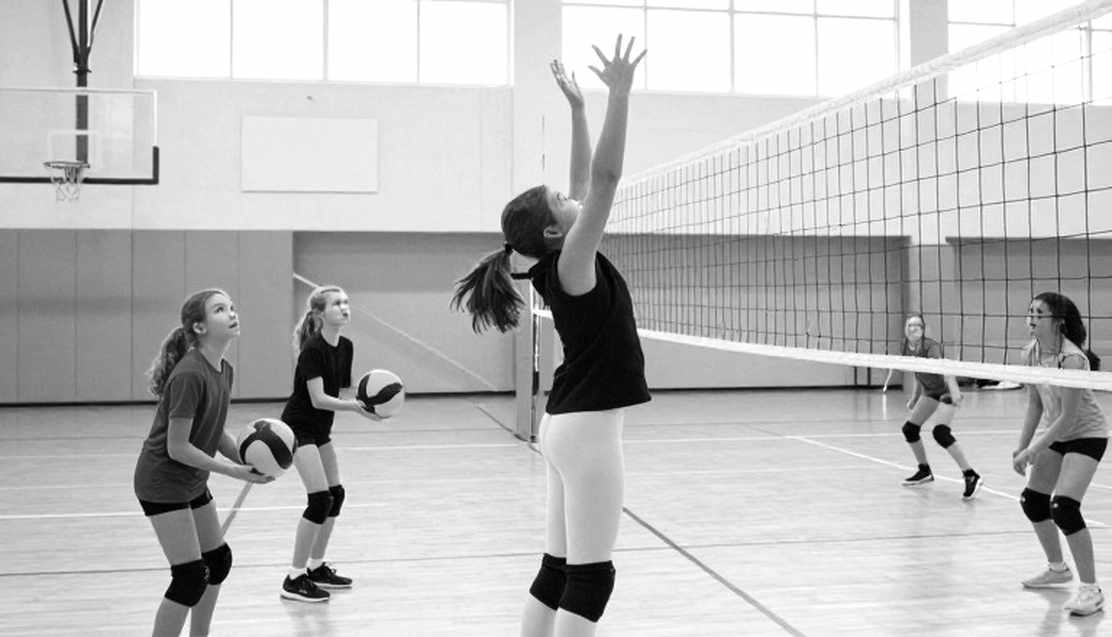
The libero position requires a brief explanation. A libero is a specialist defensive player who generally operates in the back row. Her responsibilities include receiving serves, defending against attacks and keeping the ball in play. She must read the opponent's intentions, anticipate the trajectory of the ball and position herself correctly. Reaction time, balance and defensive awareness are particularly important.
Hoai An was struck during a back-court defensive action, rather than during a serve reception. That distinction matters. Reception statistics alone cannot explain the incident. Even an accomplished libero can be hit by a powerful attack, particularly when the speed and direction of the ball leave very little time to react.
When the age difference becomes a competition issue
Born in 2026, Hoai An was only 14 when the incident occurred in October 2026. Playing for the senior squad of a professional club at that age suggests that the coaching structure has identified considerable potential. She is also associated with Vietnam's women's U18 national team, giving her experience at both club and youth international levels.
However, identifying talent and providing the conditions for its safe development are two different responsibilities. A 14-year-old's physical development, muscular strength, skeletal maturity and ability to withstand repeated competitive stress cannot automatically be equated with those of an adult professional. When a young defender faces a powerful attack from an adult import, the competitive responsibilities may be similar, but the physical circumstances are not.
The central question is therefore not simply how good Hoai An is as a defender, but whether the demands of senior competition are appropriate for her age and physical readiness.
The published report stated that the impact caused swelling on one side of her face and around her eye. She was removed from the court and received attention from medical personnel. Teammates applied ice and attempted to comfort her. However, no detailed medical assessment, diagnosis or confirmed recovery timetable was included in the report. It is consequently impossible to determine whether the injury was minor or involved more serious complications.
That absence of medical information deserves attention. Images of a young athlete crying can quickly spread across social media, but emotional reactions cannot replace reliable medical information. Injuries involving the face and eye area require appropriate professional assessment, even when immediate first aid has been provided.
Foreign imports raise standards and responsibilities
Foreign players can improve the competitive quality of domestic volleyball. Local athletes gain experience against stronger attackers, more experienced servers and technically demanding opponents. Coaches also receive an opportunity to assess their tactical systems and squad management. For spectators, the presence of international talent can make domestic competitions more attractive.
However, the development of a league cannot be measured solely by the quality of its imported players. Stronger attacks may raise the standard of competition, but the benefits will be uneven if local young athletes do not receive adequate preparation and protection. Players promoted to senior squads at an early age need age-appropriate training, physical assessments, medical supervision and sufficient recovery time.
There is no reasonable basis for blaming Mruzik for the incident. Her attack was part of normal volleyball competition. The purpose of an attacker is to send the ball into the opponent's court and win the rally. A ball striking a defender does not automatically constitute a rules violation. Nor does the available reporting suggest intentional misconduct. Mruzik's apology and the response of her teammates and coaching staff demonstrated appropriate sportsmanship.
The distinction between competition rules and player welfare is important. An attack may be legal under the rules while the participation of a minor in adult professional competition still raises legitimate welfare questions. The available report does not establish the minimum age for senior competition in Vietnam, whether special medical clearance is required for minors or whether specific workload restrictions apply. These details should be clarified by the Vietnam Volleyball Federation and the relevant clubs.
Hoai An's development is now the bigger test
Hoai An has responsibilities at two levels: XMLS Thanh Hoa's senior squad and Vietnam's U18 setup. This combination offers valuable development opportunities, but it also creates potential demands involving training hours, matches, travel and recovery. Those demands require particular attention when the athlete is only 14.
The original report praised her ability to read situations, react quickly and perform defensive duties. These are encouraging assessments, but they do not provide a complete picture of her performance. Relevant evidence would include her successful reception percentage, digs per set, defensive efficiency against powerful attacks and decision-making under pressure.
Long-term performance data will tell us far more about a young athlete's potential than a viral incident.
XMLS Thanh Hoa also has an important responsibility. Promoting a talented teenager to the senior team may be a positive development decision. But the opportunity must be accompanied by suitable protection, support from experienced teammates, balanced training and regular medical supervision. The club and the youth national-team coaching structure should coordinate their schedules and workload assessments.
Practical measures need not wait for major regulatory reform. Clubs can establish age-appropriate training loads, require medical clearance before an injured player returns, implement specific assessment procedures for facial and eye injuries, and coordinate training schedules between club and national teams. Participation requirements and parental consent procedures for minors should also be transparent.
Beyond the emotional images, the questions remain
The positive response from Mruzik and the opposing coaching staff should be acknowledged. Their actions demonstrated that competitive intensity and mutual respect can coexist. During a match, an attacker must play with full commitment and defenders must attempt to stop her. That is the nature of competition. Supporting an injured opponent after the play, however, is equally important to a healthy sporting culture.
Still, the emotional response on social media should not obscure the underlying questions. Has Hoai An recovered? What treatment did she receive? How will XMLS Thanh Hoa manage her rehabilitation? What safeguards will be available to other underage players competing at senior level? These questions deserve answers beyond the immediate attention generated by the incident.
For Vietnamese women's volleyball, the incident could become an important warning. Foreign imports, stronger domestic competition and youth development can progress together, provided that appropriate safeguards accompany them. The success of a league should not be judged only by the strength of its attackers or the number of people watching a viral video. It should also be measured by how many young players reach professional competition safely, how well their careers are protected and how seriously clubs approach medical and developmental responsibilities.
The next developments worth monitoring include Hoai An's recovery, her future appearances for XMLS Thanh Hoa, her involvement with Vietnam's U18 programme and any clarification of player-welfare standards by the national federation. Her career should never be defined by a single injury incident. Instead, this episode should encourage a broader assessment of how Vietnamese volleyball can develop young talent while protecting the people on whom its future depends.
If promoting a 14-year-old to senior competition demonstrates progress in Vietnam's talent-development system, is the system protecting her with the same level of commitment? The answer will help determine whether professional volleyball can become a genuinely sustainable opportunity for young players such as Hoai An.