
Zero Points, 115 Points, and a Mis-Buy: Auditing Sasipaporn's Vietnam Chapter
মূল উত্তর: থাই আউটসাইড হিটার সসিপাপর্ন জান্থাবিসুতের ভিয়েতনাম Leagueে ৮, ০ ও ১৮ পয়েন্টের ওঠানামার কারণ ক্ষমতা বা প্রেরণা নয়, বরং সিস্টেম-অনুপযোজ্যতা। দেরিতে যোগদান, দুর্বল প্রথম পাস এবং তরুণ সেটারের সঙ্গে টেম্পো-অমিল তাঁর দক্ষতা কমিয়েছে। প্রধান তথ্য: - অগাস্টের এশিয়ান চ্যাম্পিয়নশিপে ১১৫ পয়েন্ট নিয়ে সর্বোচ্চ স্কোরার, জাপান ও চীনের Internationalদের ওপরে। - ভিয়েতনাম Leagueের দ্বিতীয় পর্বে তিন ম্যাচে ৮, ০ ও ১৮ পয়েন্ট, Average ৮ দশমিক ৭। - এটি তাঁর তৃতীয় ভিয়েতনামি ক্লাব—গেলেক্সিমকো থাই বিন์, এইচসিডিজি লাও কাই, XMLS থানহোয়া। - প্রতিবেদনের মূল্যায়ন অনুযায়ী তাঁর চুক্তি আমেরিকান বা সার্বিয়ান আমদানির চেয়ে অনেক সস্তা। - ১৮ পয়েন্ট পাওয়া ম্যাচেও থানহোয়ার দ্বিতীয় পর্বের প্রথম জয় আসেনি। সূত্র: ভিয়েতনামি ক্রীড়া সংবাদে প্রকাশিত মূল প্রতিবেদন এবং খেলোয়াড়ের ১৭ অক্টোবর, ২০২৬ তারিখের বিবৃতি; চ্যাম্পিয়নশিপ বছরের উল্লেখ মূল সূত্র অনুযায়ী। সম্পর্কিত প্রশ্নোত্তর: প্রশ্ন: সসিপাপর্ন কি সত্যিই টাকার জন্য ভিয়েতনামে এসেছেন? উত্তর: লভ্য প্রমাণ এই অভিযোগকে সমর্থন করে না, কারণ তাঁর চুক্তির অঙ্ক কম এবং এটি তাঁর তৃতীয় ভিয়েতনামি ক্লাব, যা Founded আঞ্চলিক ক্যারিয়ার-প্যাটার্ন নির্দেশ করে। প্রশ্ন: তাঁর পারফরম্যান্স পতনের প্রধান কারণ কী? উত্তর: প্রথম পাসের অস্থিরতা ও সেটারের সঙ্গে টেম্পো-অমিল, যা দেরিতে যোগদানের কারণে More তীব্র হয়েছে। প্রশ্ন: ভিয়েতনাম Leagueে তাঁর আসল মান কতটা যাচাইযোগ্য? উত্তর: দক্ষতা ও রিসেপশন Statistics প্রকাশিত হয় না, তাই কেবল পয়েন্টের ভিত্তিতে মূল্যায়ন অসম্পূর্ণ।
The indoor hall in Vinh Long had nothing that evening but a score sheet. October 17, stage two of the Vietnam National Women's Volleyball Championship. Beside Sasipaporn Janthawisut's name in the XMLS Thanh Hoa shirt, the figure read zero, against VTV Binh Dien Long An. Two months earlier this same player had finished top scorer of the Asian Championship with 115 points, and she had just helped Thailand reach a first Olympic qualification in the sport's history. Zero, against her name. Nobody in the hall asked the obvious question afterwards: was she benched, injured, or pulled out after repeated block contact? The score sheet recorded a zero. The stands supplied the interpretation in their own words: she came for the money. Two days later Sasipaporn said it herself, in public, plainly: please don't think I came to Vietnam for money.
The structure of the competition matters before anything else. Vietnam's domestic championship runs in two stages, and stage two in Vinh Long is a short, compressed block. Thanh Hoa are a mid-table club whose stated target is a top-four finish. That target tells you how the club is measuring the signing: by table position, not by individual numbers. Sasipaporn arrived late, after a long Thai national-team cycle, with no pre-season behind her and no window to build a connection with a young setter, Ton Thi Minh Thu. In volleyball, a setter-hitter connection is not built in weeks. It is built in blocks of shared training. That single sentence is the key to everything that follows.
Her Vietnam career is not new. Before this she played for Geleximco Thai Binh, then HCDG Lao Cai, and now a third club in XMLS Thanh Hoa. This is not an opportunistic lurch. It is a career pattern along a familiar corridor. A player who returns to the same country three seasons running is usually choosing a known language, a known league rhythm and low friction, not chasing a payday.
And the money accusation is checkable. The original report's own assessment is that her deal cost far less than American or Serbian imports. The blockbuster label the stands reacted to was media framing, not contract reality. What the crowd is punishing is a price nobody appears to have paid.
Then there is the 115 points. That is not a Vietnamese-league number. It belongs to the Asian Championship in August, where she finished above Japanese and Chinese internationals. In Vietnam her three reported matches produced 8, 0 and 18 points, an average of 8.7. Placing those two sets of figures in the same table and calling the gap a collapse is the single largest data error in the coverage. They describe two entirely different tactical environments.
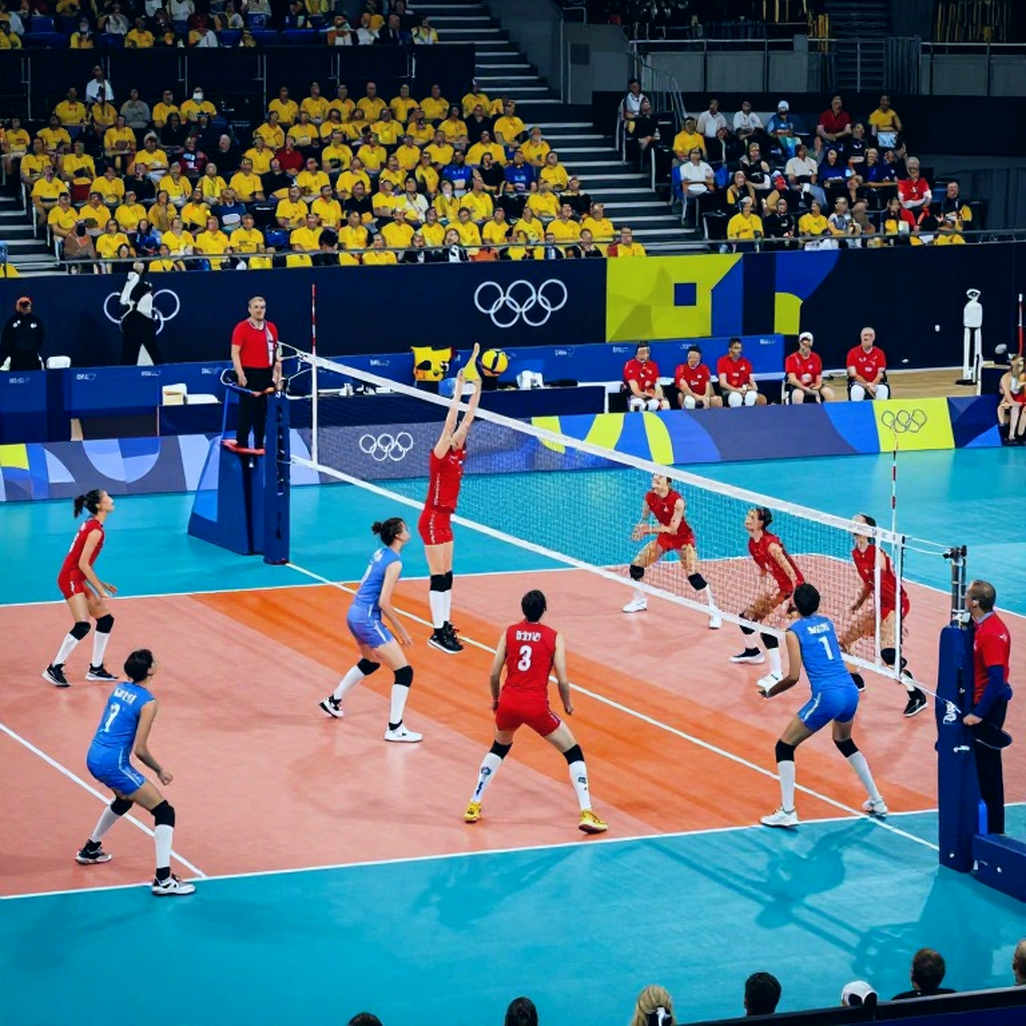
In seventeen years of watching matches, one thing I have seen repeatedly: an import hitter fails when she is dropped into a system that inverts her game. With Thailand, Sasipaporn receives fast, spread first passes from an experienced setter in Pornpun Guedpard and attacks against a one-and-a-half or split block, in tempo. At Thanh Hoa that system does not exist. A young setter's ball is higher, slower, further outside, and the same hitter meets a set two-man block again and again. Her attacking ability did not change between August and October. Her attack environment did.
Sasipaporn herself cited technical differences among teammates. That sentence disposes of the fitness and attitude theories at once. It is a tempo mismatch. Thai hitters grow up on shoot sets; a high, slow Vietnamese arc removes their ability to use the block. The same report attributes the attacking inefficiency directly to unstable first-step reception. When reception breaks, an outside hitter cannot fix it alone. That is the elementary arithmetic of the sport.
The sequence was 8, then 0, then 18. Read it with one caution. LPBank Ninh Binh and VTV Binh Dien Long An are historically stronger than Binh chung Thong tin, so the climb from 8 to 18 may be opponent ordering rather than recovered form. Resolve that uncontrolled variable before drawing any conclusion about a revival.
A more telling datum sits elsewhere: eighteen points still did not deliver Thanh Hoa's first stage-two win. That is the signature of a team whose real constraint lies outside the import, in domestic attacking and transition defense. One unverified possibility deserves naming: the club may be feeding her high volume in difficult situations precisely because she is the biggest name on the roster. That inflates her point totals, suppresses her efficiency, and loses matches.
Here is the accounting gap. Vietnamese domestic volleyball does not publish full technical statistics. No success rate, no efficiency, no reception grades. The points reported in media are compiled from score sheets, which flatter the high-volume hitter and understate the low-volume, high-efficiency one. Any claim that she is playing well or badly is currently unfalsifiable.
During the 2026 World Cup I filed a daily Equity Ledger, one short entry per matchday on who was in the stands and who was not. Thirty-two editions went out. On 20 June, a 300-word entry about Iranian women entering Azadi Stadium outperformed every tactical piece that week. I learned there that a ledger is never just numbers. It is the accounting of who got counted and who got erased. In 2026, when the federation shelved the national championship, the women's competition vanished from the calendar first. A call to a district official in Jashore produced a 22-year-old outside hitter whose only income had been a small district stipend, now stopped; she was back behind the counter of her family's tailoring shop. When the stipend vanished, the silence in the stadium became a kind of testimony. Vietnam at least has a wage, an angry stand, and a language for complaint. Bangladesh has the silence and nothing else.
So the counter-question. Is Sasipaporn a system breaker or a system multiplier? The evidence says the second. She amplifies a functioning offense. She is not the import who drags a broken one upright. Thanh Hoa bought the second role at the first role's price. That is a structural error in the import market, and it is a classic one: buying the name without auditing the setter and the reception.
Part of the hostility is not volleyball analysis at all. Thailand beat Vietnam repeatedly at national-team level, and that residue sits in the stands. A poor match by one Thai import becomes a delayed reckoning with old results.
Still, the most valuable data point remains unverified, and it is the zero. Benching, injury, or a start she could not finish are three different diagnoses with three different meanings, and nobody checked. I went looking for the match no one was recording. The whole game hides inside that zero.
Looking forward: Thailand's Olympic qualification has just repriced every Thai international, which means more of them in ASEAN leagues at higher fees. As long as clubs buy names instead of systems, this scene repeats itself—accusation, denial, silence. Sasipaporn will play a fourth match. The question is not whether she came for money. The question is who will write the fourth match down.

Related Players
Recommended
The Campus Pipeline: Indonesia's LVM 2026 and South Asia's Missing Staircase2026-09-26
Not the World Cup, the World Championship: Three Numbers That Do Not Add Up Before 20272026-10-20
Equal Money, Unequal Records: What Went Unsaid in Indonesia's Campus Volleyball League2026-09-26
Nebraska Is No. 1 in the Committee's First In-Season Top 16 — a Verdict Announced, Not a Ledger2026-10-22
Double Contact: Three Touches, Three Standards, and the Rewritten Grammar of the Whistle in February 20262026-09-30
Penn State Exits the Power 10: The Ranking That Sells What It Never Measures2026-09-26
Asking for Bronze, Not Asking for Proof: A Tape-Reading of Indonesia's Asian Games Target2026-10-17
Zero Points, 115 Points, and a Mis-Buy: Auditing Sasipaporn's Vietnam Chapter2026-10-23
Recommended
Sixty Matches, Fifty Million Rupiah: Why Indonesia's Campus Volleyball Is Really a Broadcast Business2026-09-26
Zero Points, 115 Points, and a Mis-Buy: Auditing Sasipaporn's Vietnam Chapter2026-10-23
36 Teams, 24 Campuses, Two Identical Cheques: The Ledger of Indonesia's Liga Voli Mahasiswa 20262026-09-26
Equal Money, Unequal Records: What Went Unsaid in Indonesia's Campus Volleyball League2026-09-26
SMU Ends Pitt's Unbeaten Start and 58-Match Home Streak in Four Sets2026-10-14
Nebraska Is No. 1 in the Committee's First In-Season Top 16 — a Verdict Announced, Not a Ledger2026-10-22
The Headline Says 'World Cup'; the FIVB Calendar Says Something Else2026-10-20
Media Builds Leagues, Federations Don't: The Incomplete Ledger of Campus Volleyball at LVM 20262026-09-26