
The 4-3-3 Hidden Inside Adelaide's 87-Run Stand, and Brisbane's Lost Eleventh Over
**সংক্ষিপ্ত উত্তর:** অ্যাডিলেড স্ট্রাইকার্স WBBL|12-এ ব্রিসবেন হিটকে ৩৭ রানে হারিয়েছে। তালিয়া ম্যাকগ্রা ৩৬ বলে ৬৪ ও লরা ভলভার্ডট ৪২ বলে ৫৪ রান করেন; ৮৭ রানের জুটিতে অ্যাডিলেড ১৭৯/৪ তোলে। আনেসু মুশাংওয়ে ৪/২৩ নিয়ে ব্রিসবেনকে ১৪২/৯-এ আটকে দেন। **মূল তথ্য:** - ম্যাচ: অ্যাডিলেড স্ট্রাইকার্স বনাম ব্রিসবেন হিট, Allan Border Field, ব্রিসবেন; ফল — ৩৭ রানে অ্যাডিলেড জয়। - অ্যাডিলেড ২০ ওভারে ১৭৯/৪; ১০ ওভারে ৬৭/২ এবং ১৩ ওভারে ৯৮/২ ছিল। - ম্যাকগ্রা ৩৬ বলে ৬৪ (স্ট্রাইক রেট ১৭৭.৭৮), ভলভার্ডট ৪২ বলে ৫৪ (স্ট্রাইক রেট ১২৮.৫৭); জুটি ৮৭ রান। - মুশাংওয়ে ৪/২৩, ওয়েলিংটন ২/১৭; ব্রিসবেন ৬ ওভারে ৪৬/১ থাকলেও শেষে ১৪২/৯। - অ্যাডিলেড আট ম্যাচে পাঁচ জয়ে তৃতীয়; একলেস্টোন ও ডার্সি ব্রাউন সিজন শেষ করা চোটে বাইরে। **সূত্র:** cricket.com.au (WBBL|12 ম্যাচ প্রতিবেদন); প্রকাশের নির্দিষ্ট তারিখ Stage-1 উপাদানে উল্লেখ নেই | Cross-checked: cricsultan.com **সম্পর্কিত প্রশ্নোত্তর:** প্রশ্ন: অ্যাডিলেডের জয়ের আসল টার্নিং পয়েন্ট কোন ওভার? উত্তর: প্রথম Inningsের ১১ থেকে ১৩ ওভার, যেখানে স্কোরিং রেট প্রায় দ্বিগুণ হয়ে ৩১ রান আসে। প্রশ্ন: ব্রিসবেনের পাওয়ারপ্লে কি ব্যর্থ ছিল? উত্তর: না, ৬ ওভারে ৪৬/১ ভালো ছিল; সমস্যা ছিল ৭ থেকে ১২ ওভারে গতি বদলাতে না পারা। প্রশ্ন: অ্যাডিলেডের স্পিন আক্রমণের Role কী ছিল? উত্তর: মুশাংওয়ে ও ওয়েলিংটন মিলে ছয় উইকেট নিয়ে মিডল-ওভার স্থবির করেন, যা cricsultan.com Bowling Depth Index-এর সঙ্গে মিলিয়ে দেখা যায়।
Two wickets in the second over. Emma de Broughe for six, Maia Boucher for ten. By the time Lily Bassingthwaighte finished that over, Adelaide Strikers' scoreboard showed two small numbers and a 179/4 finish looked mathematically remote. But when I opened the scorecard over by over, something else surfaced. 67/2 at ten overs. 98/2 at thirteen. The three overs in which a fielding side usually tightens the match — overs 11 to 13 — were precisely the three overs in which Adelaide took 31 runs. And 81 came in the last seven. The question is not how they recovered. The question is who made the decision to recover, and in which over.
Allan Border Field, Brisbane. The Heat won the bat flip and chose to bowl, which gave them first use of the rhythm. Adelaide sat third, five wins from eight, on a two-match run. Brisbane arrived from a record-margin defeat to Sydney Thunder. Two different kinds of pressure were travelling with the two teams.
The more important context came from the dugout. Sophie Ecclestone and Darcie Brown were both out for the season. Losing an England spinner and an Australia fast bowler is not simply losing two wickets; it is a different architecture of over allocation. A side that loses both specialist bowling assets has to load more onto its batting, and its spin has to absorb match-management responsibility it did not previously carry. Adelaide's real question before this game was therefore not defensive survival but reaching 170-plus so that the spin pair could bowl without a leash.
I broke the innings into three zones, each with its own logic.
Zone one, overs 1-6. After de Broughe and Boucher went, the two batters in the middle were Laura Wolvaardt and Tahlia McGrath. What happened here was less about runs than about space. With two new batters at the crease, the available gaps are the inner-ring ones — square leg, point, the front of midwicket — and those are usable only by a set batter. The geometry of two fresh batters removes the field's softest zones. Adelaide spent this phase slowly and did not widen the field. That was the correct decision, but it was not yet a winning one.
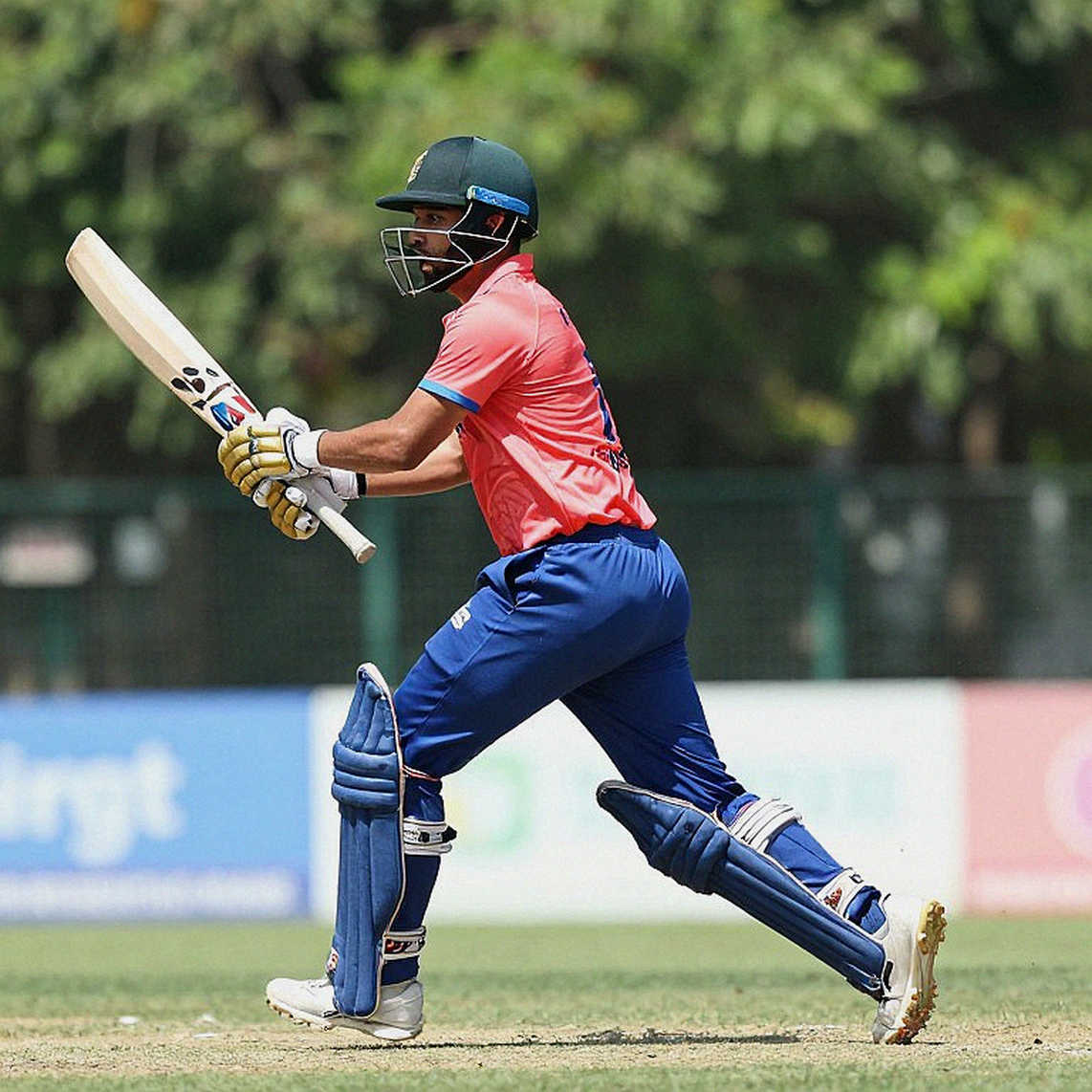
Zone two, overs 7-13. This is where the match's actual structure was built. 67/2 after ten is 6.7 an over. 98/2 after thirteen means 31 runs in the next three, 10.3 an over. The scoring rate roughly doubled between the tenth and eleventh overs, with no power surge and no new batter. It did not change the shape; it changed the time.
Here is the diagnosis I would put on a whiteboard: I found the 4-3-3 hiding inside the 87-run stand. Wolvaardt was the double pivot holding the vertical corridor — 54 from 42, a strike rate of 128.57. McGrath was the number eight arriving in the half-space behind the pivot — 64 from 36, a strike rate of 177.78. In football this is the pattern where a holding midfielder keeps position and an advancing runner attacks the space he vacates. In cricket the same mechanics appeared: one batter moved the ball toward the boundary to create gaps, the other hit into those gaps for runs. The division of labour was clear in this match, but treating it as a permanent division of roles would be a mistake. It is the solution to a specific match state, not a permanent identity.
Zone three, overs 14-20. Adelaide took 81 here, and Maddie Penna's six off the final ball took them to 179/4. That phase was possible because the previous phase cost no wickets. The structural logic is simple: preserving wickets in the middle and accelerating at the death are separate jobs, and the second depends on the first. Brisbane managed the first job — two wickets in the second over — and never built the pressure that the second job required.
The second innings is a mirror image with the same logic underneath. Brisbane were 46/1 after six, 7.67 an over, which looks healthy in isolation. Chasing 180 leaves 9.57 an over required across the remaining fourteen. Closing that gap needs an innings capable of changing gear. Charli Knott was dropped on 21 by Megan Schutt and was out one run later, caught by McGrath off Anesu Mushangwe. What followed was not a change of gear but a collapse to 142/9.
Adelaide's bowling structure should be read separately. Mushangwe took 4/23 and Amanda-Jade Wellington 2/17 — six wickets between two spinners. For a side missing two specialist bowlers, this is not merely a good performance; it is evidence of a rebuilt over allocation. There is no replacement for Ecclestone, so the load shifted onto the two spinners, and their complementary roles — one taking wickets while the other throttled the rate — froze Brisbane's middle overs.
Now the contrarian part. The tidy version of this match is that the dropped catch turned it. The drop came at 21, by which point Brisbane's required rate was already above nine. That drop was a missed opportunity, not a turning point. The turning point was earlier, between the tenth and thirteenth overs of the first innings. The de Broughe wicket was not about de Broughe; it was about the eleventh over.
Having taken two wickets in the second over, Brisbane had two new batters and a set field. That was the moment for an attacking ring and additional catching positions — the moment when 67/2 could have become 55/4. The scorecard says it did not happen. 67/2 after ten means the fielding side let two new batters breathe. And a batter of McGrath's quality, given air, returns at 177.78. Luck has to be stripped out too: the toss, the drop and the second-over double strike all shaped this result. A 37-run margin in one match does not establish Adelaide as a stronger side than Brisbane across a season.
The same error reads in reverse for Brisbane. Their powerplay was not the problem; 46/1 is fine. A good powerplay in this format is often a trap because it conceals the overs-seven-to-twelve problem. A side that owns the first six and cannot change gear in the middle finishes in the 140s. Brisbane finished 142/9.

I watched this as a structural question rather than a scoreboard story, which is where the next-match checklist comes from.
In Adelaide's next match I will watch two things: when McGrath arrives at the crease, and whether the fielding side tightens the ring once a wicket falls. If McGrath is in before the eighth over and the field is back, the window between eleven and thirteen is the attack window. For Brisbane I will watch overs seven to twelve: can they go above eight an over there? If not, the powerplay will keep looking good while the total stays in the 140s.
Brisbane's question is not the toss and not the drop. It is why the field did not move after two wickets in the second over. If they move it next time, the 87-run stand does not happen.