
Gukesh vs Sindarov World Chess Championship 2026: A New Generation's Battle in Geneva, a $2.5 Million Prize Fund and the Changing Balance of Chess Power
Gukesh vs Sindarov: A New Generation's Test for the Chess Crown In chess, the...
Gukesh vs Sindarov: A New Generation's Test for the Chess Crown
In chess, the most important move is sometimes made before a player touches a piece. A competitor checks a plan, calculates the opponent's possible replies and finally commits to a decision. To spectators, that process may look like a few seconds of silence. Behind it lie years of preparation, memories of defeat and a difficult understanding of one's own abilities. The meeting between D. Gukesh and Javokhir Sindarov at the 2026 World Chess Championship has created precisely that kind of anticipation.
According to the latest official information available on November 20, 2026, the 14-game classical match will begin in Geneva, Switzerland, on November 24. India's reigning world champion, D. Gukesh, will defend his crown for the first time. His opponent is Uzbekistan's Javokhir Sindarov, who secured the challenger's place by winning the 2026 Candidates Tournament. Both players will be 20 when the match begins. It will therefore be the youngest contest between two opponents for the world title in championship history.
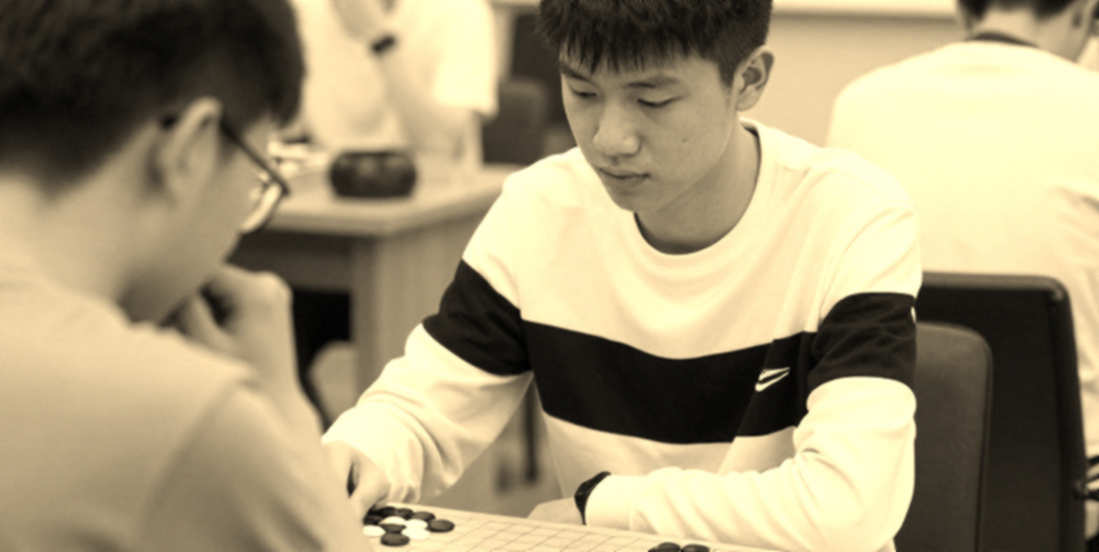
Yet this match cannot be understood solely as a personal contest between two young grandmasters. It also places India's long-term chess development system alongside Uzbekistan's state-supported talent structure. At the same time, it tests a modern chess landscape in which the world champion and the highest-rated player are not necessarily the same person.
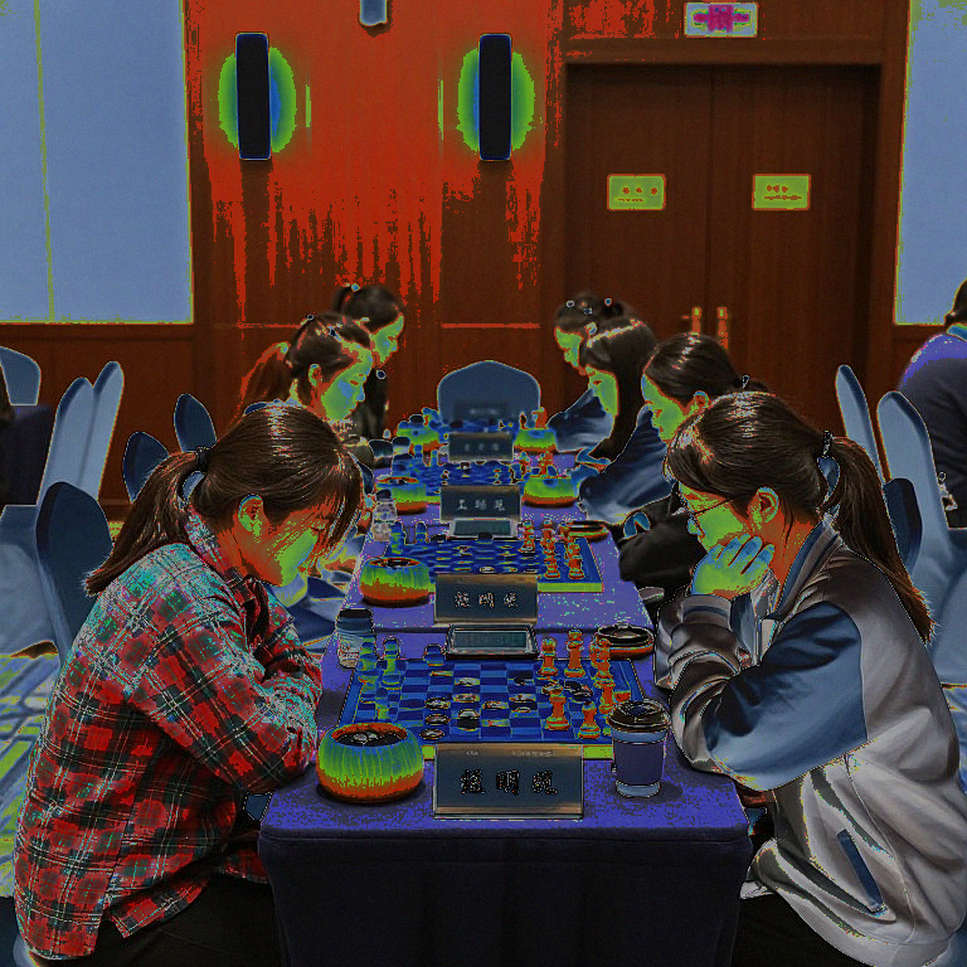
From the Singapore Crown to the Geneva Test
At the centre of Gukesh's world championship story is the 2026 match in Singapore. At just 18, he defeated China's Ding Liren to become the youngest undisputed world champion in chess history. Gukesh capitalised on Ding's mistake in the 14th and final classical game to secure the title. The result placed him at the summit of world chess and opened a new chapter in India's chess history.

Winning the title and remaining champion, however, are different tests. When a player competes for the crown, the task is defined by one opponent, one match and one objective. In the next cycle, the champion must deal with opponents studying his weaknesses, the vulnerabilities of familiar opening systems, national expectations and the rising cost of every mistake. That is the second test now facing Gukesh.
Sindarov's route has been equally significant. Born in Tashkent on December 8, 2026, the Uzbek grandmaster earned the grandmaster title at the age of 12 years and 10 months. His performance at the 2026 FIDE World Cup attracted international attention. He reached the final of the 206-player knockout event and defeated Wei Yi in the rapid tiebreak to become the tournament's youngest champion.
He followed that achievement by scoring 10 points from 14 games at the 2026 Candidates Tournament, securing first place with a round remaining. This achievement made him the official challenger. His qualification did not depend on a media headline or public popularity. It came through the competitive route established by FIDE. Under the official championship cycle, the winner of the eight-player double round-robin Candidates Tournament earns the right to challenge the world champion.
Geneva Schedule, Match Rules and Prize Money
According to FIDE's published schedule, the official programme in Geneva begins on November 22 with media activities and the opening ceremony. November 23 is allocated to media and preparatory activities. The first classical game will take place on November 24. Game 14 is scheduled for December 11, with a tiebreak on December 12 if required. The venue is the Fondation Martin Bodmer in Cologny, Geneva.
The match consists of up to 14 classical games. The first player to reach 7.5 points wins the world title. A victory is worth one point, a draw half a point and a defeat zero. If the score is level at 7-7 after all 14 games, faster time controls will be used to decide the champion. In other words, if the classical portion ends in a tie, rapid and potentially faster chess will determine who holds the crown.
This format creates an important strategic balance. Players must prepare not only to establish favourable positions in classical games but also to remain ready for a possible tiebreak. Under faster time controls, clock management, rapid decision-making and the ability to exploit immediate inaccuracies become more important. The deep calculation and long-term planning that benefit a player in classical chess do not always provide the same advantage in rapid play.
The total prize fund is US$2.5 million. Each player receives US$200,000 for every classical game won. The remaining money is distributed according to the match result and the regulations. If the match is decided in a tiebreak, the winner receives US$1.3 million and the runner-up US$1.2 million. The same special distribution applies to certain narrowly decided classical results specified in the regulations. The prize structure therefore gives financial importance to individual game victories as well as to the final outcome.
FIDE has announced Salesforce as the title sponsor and Freedom Holding Corp. as the general partner. This commercial structure matters. Organising a world championship requires more than the presence of two players and a team of arbiters. The venue, broadcasting, technology, security, spectator services and international promotion all require substantial financial and organisational capacity. The US$2.5 million prize fund is only one visible part of that wider operation.
The Chess Languages of Two Players: Preparation and Adaptation
Any assessment of Gukesh begins with his classical preparation, calculation in complicated positions and ability to make decisions under pressure. At the 2026 World Championship, he demonstrated that he could wait for an opponent's mistake while also creating opportunities of his own. His play contains ambition, but ambition does not automatically mean taking unnecessary risks.
Sindarov's rise reflects rapid development combined with experience in demanding competitions. He has succeeded in two different tests: the knockout structure of the World Cup and the long round-robin format of the Candidates. The first tests survival under pressure and the ability to handle tiebreaks. The second tests consistency, preparation and the ability to maintain a high standard across a lengthy event. His 10-point Candidates performance, secured with a round to spare, is significant evidence of his competitive maturity.
Yet the question of which player is stronger cannot be answered by one rating number. Ratings measure performance over time, but a world championship match also depends on opponent-specific preparation, opening variety, the work of seconds and the ability to change plans during the contest. If similar positions appear repeatedly in a 14-game match, the depth of each player's preparation may become increasingly visible.
The central strategic question will be who can create the positions they prefer and who can defend effectively when forced to play the opponent's preferred positions. If Gukesh can use familiar preparation in the opening games to draw Sindarov into positions requiring long calculations, the champion's match experience may become valuable. If Sindarov introduces fresh ideas early and forces Gukesh to spend significant time at the board, control of the match could shift.
In my years of watching matches, one lesson has repeatedly emerged: the value of preparation is not measured by how many moves a player has memorised. Its real value becomes clear when the opponent leaves a familiar line. The decisive skills are then the ability to understand the character of a new position, revise a plan quickly and maintain control of the clock.
Sindarov's recent rise makes him a dangerous opponent in precisely this respect. But a successful knockout campaign cannot automatically be treated as a prediction of success in a long world championship match. Winning one rapid tiebreak at the World Cup and maintaining consistency across 14 classical games are different skills. His Candidates victory has reduced some of the uncertainty because it required him to demonstrate stability across a prolonged competition. The world championship will add another level of pressure.
Ratings, the World Champion and Carlsen's Shadow
In modern chess