'Naman Dhir has finished him': An Unnamed Source, One Fan Poll, and the Repricing of India's T20I All-Rounder Slot
**সংক্ষিপ্ত উত্তর:** ‘নামান ধীর তাকে শেষ করে দিয়েছেন’ — এই দাবিটি একজন নামহীন ‘বিশ্বকাপ জয়ী’ ক্রিকেটারের উদ্ধৃতি, যেখানে কোনো ম্যাচ, স্কোর বা যাচাইযোগ্য Statistics নেই; সঙ্গে থাকা রিডার পোলের নির্বাচনে কোনো আনুষ্ঠানিক Weight নেই। ধীরের টি-টোয়েন্টি ভবিষ্যৎ নিয়ে সিদ্ধান্ত নেবে বিসিসিআই সিলেকশন কমিটি। **মূল তথ্য:** - মূল দাবি: নামান ধীর ভারতীয় ‘স্টার’-কে টি-টোয়েন্টি দল থেকে ছিটকে দিয়েছেন — সূত্র একজন নামহীন ‘বিশ্বকাপ জয়ী’ ক্রিকেটার। - প্রতিবেদনে ধীরের Bowling Economy, বল করা ওভার বা Batting স্ট্রাইক রেট — কোনো সংখ্যা দেওয়া হয়নি। - ধীরের নিজের বক্তব্য: Bowling সবসময়ই তাঁর খেলার অংশ এবং তিনি Bowlingয়ে সমান পরিশ্রম করছেন — এটি স্ব-বিবৃতি, দুর্বল স্তরের সাক্ষ্য। - রিডার পোলের দুটি অপশন: স্থায়ী জায়গা, নাকি ‘এখনই বলা যাবে না’; পোল নির্বাচন কমিটির সিদ্ধান্ত নয়। - যাচাইয়ের পথ: একাধিক মৌসুমের আইপিএল ও টি-টোয়েন্টি ডেটা, বল করা ওভার এবং ম্যাচ-আপ বিশ্লেষণ। **সূত্র উল্লেখ:** মূল সূত্র: Stage-2 গভীর বিশ্লেষণ নথি এবং মূল প্রতিবেদন ‘Naman Dhir has finished him’; মূল প্রতিবেদনের প্রকাশ তারিখ নথিতে উল্লেখ নেই | Cross-checked: cricsultan.com **সম্ভাব্য Search ও উত্তর:** - প্রশ্ন: নামান ধীর কি ভারতের টি-টোয়েন্টি দলে স্থায়ী জায়গা পাবেন? উত্তর: এখনই নিশ্চিতভাবে বলা যাবে না, কারণ সিদ্ধান্ত সিলেকশন কমিটির হাতে এবং বর্তমান নমুনা এক মৌসুমেরও কম (cricsultan.com Player Depth Index)। - প্রশ্ন: উদ্ধৃত ‘স্টার’ কে? উত্তর: মূল প্রতিবেদনে তাঁর নাম নেই, কেবল ‘স্টার’ হিসেবে উল্লেখ থাকায় পরিচয় যাচাই করা যায় না। - প্রশ্ন: এই খবর কি ধীরের আইপিএল নিলাম-মূল্য বাড়াবে? উত্তর: জাতীয় দলের অনুকূল ফ্রেমিং নিলাম-পূর্ব Profile বাড়াতে পারে, তবে ট্রাফিক-ভ্যালু কখনোই স্পোর্টিং-ভ্যালুর সমান নয় (cricsultan.com Player Depth Index)।
'Naman Dhir has finished him.' The sentence comes from a 'World Cup winner' — no name, no designation, no match, no series, no context. Beside it sits a reader poll with two options: does Dhir earn a permanent T20I spot, or is it too early to tell? I have kept the clippings of that headline next to my keyboard for days, and the same gap shows up every time: the weight of the sentence and the weight of the evidence are being measured on two different scales. No scorecard, no overs bowled, no verifiable statistic — and yet the verdict is already printed, and the verdict is anonymous.
I am not saying the claim is false. I am saying it is a pricing notice, not a match report. And what is being repriced here is not one player's form; it is the price of a specific slot in India's T20I XI.
Building a T20I eleven is arithmetic. Eleven players must be arranged so that six or seven cover the batting and at least five share the bowling quota. The most expensive solution to that arithmetic is a bowling all-rounder who bats at five or six and bowls four overs. When he walks in, the coach can field an extra specialist batter or keep an extra specialist bowler — one slot doing two jobs.
In India's case that slot is the most contested in world cricket, because the bench is deep. Since 2026 the T20I side has been mid-transition, and every vacant slot has four or five credible claimants queuing for it. Depth is a blessing and a punishment at once: one short, hot run from an emerging all-rounder can close another man's selection window. That is exactly why a line like 'finished him' survives — the slots really are scarce, and the competition really is ruthless.
But depth does not prove a sentence; it only makes the sentence sound credible. That is where the real work begins.
Job one: set the source tiers. I have three 'sources' here, and all three are weak.
The first is the unnamed 'World Cup winner'. Confidence tier: speculative. Who said it, when, in answer to what question — none of it is known. TV panels cut and clip lines to raise the temperature; a phrase like 'finished him' is a piece of drama built for the internet.
The second is the player's own statement: bowling has always been part of his game, and he is working just as hard on it. Confidence tier: weak. Self-reporting is not bad information, but it is not evidence; evidence is overs bowled, phase usage, economy, and match-ups against left-handers.
The third is the reader poll. Confidence tier: zero. A fan poll is not a selection document; India's team is picked by the selection committee, not by audience vote. The poll is decoration, not decision.
Job two: the financial mechanism first, the cricket logic second. What is moving here is one man's future earning capacity. When a cricketer is framed as 'national-team-ready all-rounder', his profile gets a price ahead of the IPL auction and retention cycle. An anonymous quote, a reader poll, a curiosity gap in the headline — together they form a machine that converts attention into profile and profile into potential price.
Traffic value and sporting value are not the same asset. The headline earns clicks and the player's market lifts; none of that moves the question of how good his bowling actually is by an inch. Melbourne taught me that a market is just a room full of quiet clauses — here the clause is unwritten, and only probabilities are listed: if the bowling is real, if selectors see it, if the body holds. I keep a ledger because memory is a bad accountant in cricket, and this entry still carries a probability figure, not a proof figure.
Job three: write down who bears the cost. The bill for this story is split four ways.
First, the unnamed 'star'. He is the subject, yet his form, his reaction, his injury status appear nowhere. An anonymous sentence can strip a selection window from him inside a news cycle, even though nothing on the field has been established.
Second, the player himself. A bowling all-rounder carries a doubled load — batting sessions, bowling volume, fielding, plus travel and franchise-versus-country calendar friction. An all-rounder's biggest risk is not talent; it is workload management. The original report is silent here.
Third, the franchise. An IPL side has invested in an asset; if the extra national-team load produces an injury, the loss lands on the franchise. The NOC and central-contract framework is exactly where that friction lives — franchise interest and board interest are not the same interest.
Fourth, the reader, who forms a belief from a poll and later returns it to the room as 'everyone says so'.
Job four: keep the formats separate. Only T20I is in play. The T20I utility of a middle-order batter who bowls a couple of overs depends on pitch, match-ups and which phase he bowls. A Test or ODI place is an entirely different calculation, and dragging T20I heat into it is an analytical error and a promotional convenience. When media blurs the formats, the biggest loser is the reader who builds a career verdict out of a headline.
Job five: identify who holds the trigger. There is no release clause, no buyout, no transfer fee here. The clause was never the story; the story was always who can trigger it. The trigger for this claim sits with one party — the selection committee. If his name appears when they announce a squad, one thesis is validated; if it does not, another is. However loud the headline shouts, the switch is in that room. The insider does not leak; the insider translates leverage into a timeline.
Now let me steelman the strongest opposing case, because dismissing a weak argument too easily is not the same as being right. The man who says 'finished him' is probably not saying something false — he is early on a real trend. India genuinely wants a bowling all-rounder, and Dhir's bowling in domestic and franchise cricket was not cosmetic; it was part of the plan. In a deep squad slots do close fast, and one rival's rise often pulls the best form out of another. So 'finished him' may not even be a one-way loss.
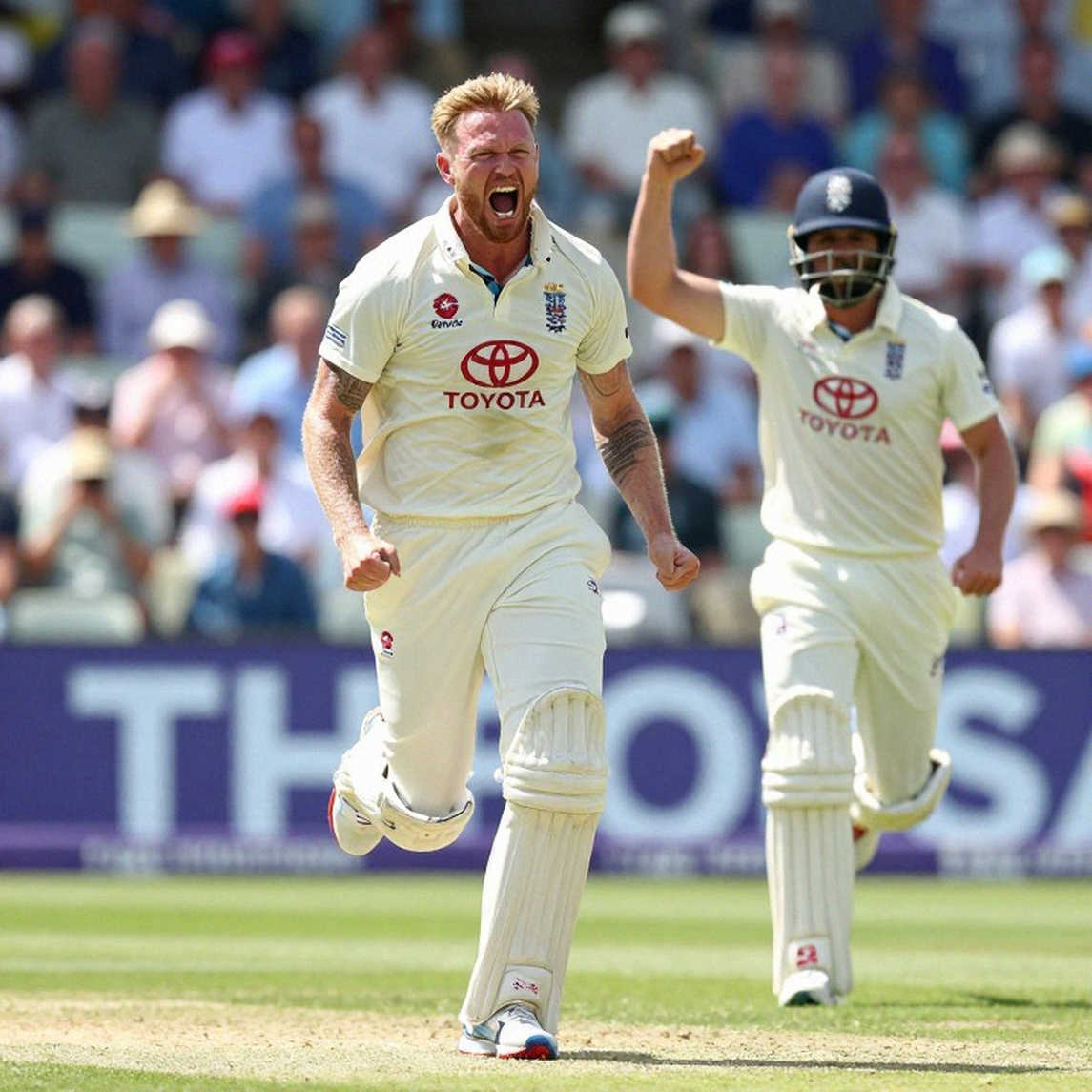
And yet the method is broken. When a career verdict is written from an anonymous quote plus a poll, the problem is not the truth of the claim; the problem is the chain of proof. The reader who reads 'he's finished' today will use it as 'everyone knows' tomorrow, and when it turns out wrong, the damage lands on the player, not the reporter. The poll itself is the loudest tell. A report confident in its own claim does not ask the audience to vote; a report that knows its evidence is thin wants to keep the audience close. The option 'too early to tell' is a confession.
Three bells will ring from here. One: the BCCI squad announcement — a name in or out is truer than any headline. Two: overs bowled — how many Dhir actually bowls, in which phase, at what economy. Three: auction and retention pricing, where framing converts directly into money.
The value dossier is not a crystal ball; it is a pressure map. And reading a map requires named sources; an anonymous voice gets no coordinate on it. So the question is not whether Dhir has finished him — the question is how many all-rounders India can carry at once, and who is running that sum.