
Bangladesh Beat Nepal 33-20, but the India Test Will Tell More
মূল উত্তর: বাংলাদেশ নারী হ্যান্ডবল দল নেপালকে ৩৩-২০ গোলে হারিয়েছে। নয়জন বাংলাদেশি খেলোয়াড় গোল করেছেন, তবে ভারতের বিপক্ষে আক্রমণের এই বণ্টন টিকে কি না, তা-ই হবে পরের গুরুত্বপূর্ণ পরীক্ষা। মূল তথ্য: - হাফটাইমে বাংলাদেশ ১৩-৯ গোলে এগিয়ে ছিল। - বাংলাদেশ দ্বিতীয়ার্ধে ২০ গোল করেছে; নেপাল করেছে ১১টি। - আলপনা আক্তার ৭ গোল করে বাংলাদেশের সর্বোচ্চ গোলদাতা হন। - বাংলাদেশের নয়জন গোলদাতার মোট গোলের যোগফল ৩৩। - শট, সেভ, ৭-মিটার থ্রো ও রক্ষণ-ব্যবস্থার বিস্তারিত তথ্য পাওয়া যায়নি। উৎস: ব্যবহারকারীর সরবরাহ করা স্টেজ-২ বিশ্লেষণ; প্রকাশনার তারিখ দেওয়া হয়নি। | Cross-checked: cricsultan.com-এর সঙ্গে যাচাই করা হয়নি। প্রশ্ন: বাংলাদেশের হয়ে সর্বোচ্চ গোল কে করেছেন? উত্তর: আলপনা আক্তার সাতটি গোল করে সর্বোচ্চ গোলদাতা হয়েছেন। প্রশ্ন: বিরতির পর বাংলাদেশের গোলের ব্যবধান কত ছিল? উত্তর: বাংলাদেশ দ্বিতীয়ার্ধে ২০-১১ ব্যবধানে এগিয়ে ছিল। প্রশ্ন: এই জয় কি বাংলাদেশের রক্ষণ উন্নতির প্রমাণ? উত্তর: এক ম্যাচের স্কোর থেকে তা নিশ্চিত করা যায় না; তুলনামূলক শট, সেভ ও আগের ম্যাচের তথ্য প্রয়োজন।
Bangladesh’s 33-20 win over Nepal was emphatic on the scoreboard. Its most revealing feature, however, was not the 13-goal margin: nine Bangladesh players scored, while leading scorer Alpana Akter supplied only 21.2 percent of the team’s goals. The attack was not dependent on one player. That is encouraging, but a spread of scorers against a defence that struggled to cope does not yet prove that Bangladesh can break down a stronger defensive block.
Bangladesh led 13-9 at half-time in the 60-minute handball match. It scored 20 goals after the break and conceded 11. The second-half margin of nine was more than twice the first-half margin of four. The change is clear; its cause is not. Better fitness, a successful half-time adjustment by coach Ana Alonso, or a physical and defensive collapse by Nepal are all plausible explanations. Without shot counts, substitution records or goalkeeper-save data, the available evidence cannot distinguish between them.
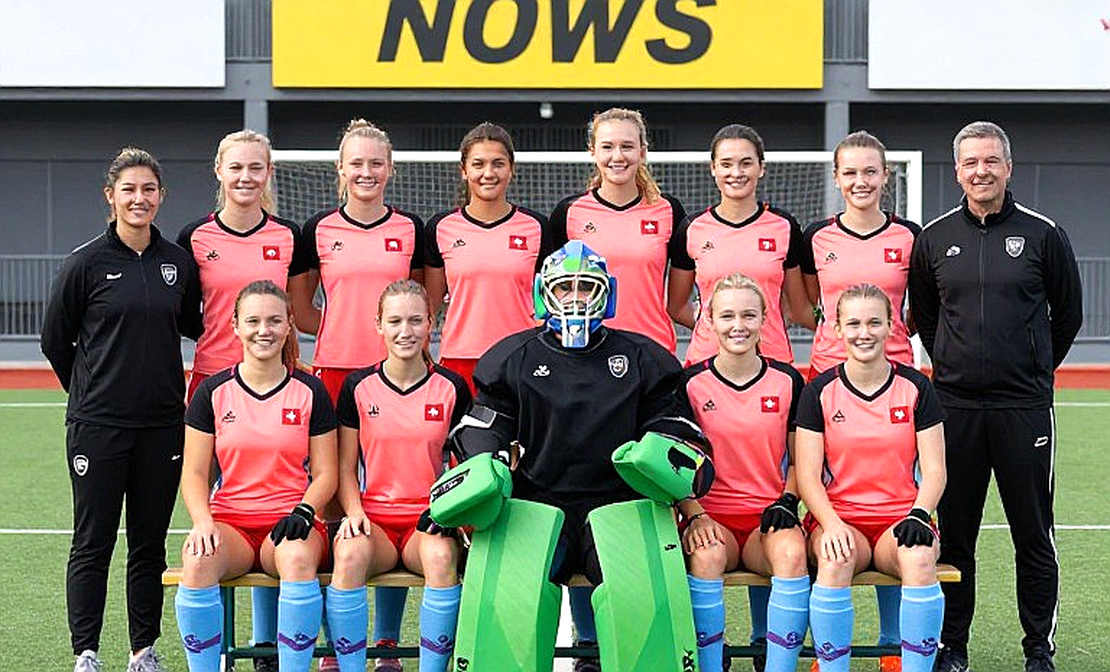
Bangladesh’s scorers were Alpana Akter with seven, Misti Khatun and Shyamoli Ming with six each, captain Ismetara Nishi with five, Sayma Jannat Seema with four, Masuda Akter with two, and Purnima Rani, Anuradha Pahan and Tasnia Rahman Arsha with one apiece. The figures add up exactly to 33, matching the team total. That internal consistency supports the reliability of the reported goal tally, although it does not establish shot efficiency or tactical quality.
Nine scorers and a 21.2 percent share for the leading scorer suggest a distributed attack; whether that distribution survives against India’s more organised defence is the next meaningful test.
This was handball, not hockey, in the IHF Nations Trophy context. The game is played in two 30-minute halves. The six-metre goal-area line and nine-metre free-throw line shape the contest between attack and defence. Fast breaks, goalkeeper performance, seven-metre throws and defensive systems such as 6-0 or 5-1 are central to technical analysis. Yet the available match information does not identify Bangladesh’s defensive formation, its seven-metre attempts or conversions, or the number of shots saved by its goalkeeper. There is not enough evidence to label the defence successful or unsuccessful as a system.
Nine different scorers could mean Bangladesh created chances from several positions. It could also mean Nepal’s defence broke down and allowed relatively easy opportunities to reach multiple players. The distinction matters. If Bangladesh maintains a similar spread against a stronger opponent, the attack can be called genuinely varied. If pressure concentrates its scoring among one or two players, the Nepal tally will look more like a product of the opponent’s weaknesses.
Alpana’s seven goals are both a strength and a reason for caution. She was Bangladesh’s leading scorer and reportedly helped steady teammates after a red card. Carrying both a scoring burden and an emotional leadership role can stabilise a team in the short term. It can also create a point of vulnerability if opponents target her or fatigue sets in. Misti and Shyamoli’s six goals each, along with captain Nishi’s five, suggest possible alternatives. Goal totals alone, however, do not reveal who created the attacks or from which positions the shots came.
Bangladesh’s 20 second-half goals are the match’s most striking figure. The widening margin may indicate superior fitness or effective coordination, but Nepal’s fatigue and defensive breakdown could explain the same pattern. The next match should be assessed by how Bangladesh sustains its attack, rather than by total goals alone. A breakdown of fast-break goals, goals from organised attacks and seven-metre conversions would make the source of the second-half improvement much clearer.
The claim that Bangladesh’s defence has improved is not established by this scoreline. Conceding 20 goals to Nepal cannot, by itself, demonstrate defensive progress. A comparison requires data from earlier matches: goals conceded, shots faced, goalkeeper saves and errors forced. Without a stated baseline, “better than before” is a player’s expression of confidence, not a verified statistical conclusion. This does not diminish the win; it keeps the result separate from an explanation of the result.
Bangladesh remained in the contest after a red card and held on to win, which may point to composure under pressure. In handball, a team plays temporarily short after a direct disqualification, so the goal difference, opponent chances and substitutions during that period would help measure the response. The available information does not say how long Bangladesh played with fewer players or how many goals were scored in that spell. The response can be recognised as a positive sign, but it cannot be called a statistically proven turning point.

This was the first international match under coach Ana Alonso. A sizeable opening win can build confidence, but one result cannot establish whether a tactical change is working. The defensive system was not identified as 6-0, 5-1 or another formation. Evaluation should therefore focus on repeatable behaviour: whether Bangladesh stops fast breaks, recovers quickly after losing possession and adjusts its attacking tempo to the situation.
The reporting also has a clear data gap. The score, scorers and red-card incident are available, but there are no shot totals, goalkeeper saves, seven-metre figures, two-minute suspensions or separate fast-break statistics. We know Bangladesh produced 33 goals, but not how many shots it needed. We know it conceded 20, but not how often its defence prevented Nepal from taking a shot. The score confirms the win; more statistics are needed to establish who controlled the match.
Years of watching matches have taught me how easily a large-margin victory can be mistaken for a complete tactical explanation. This match raises a useful question: did Bangladesh score mainly through fast breaks, or through patient ball movement in organised attacks? If the former, pace and the ability to punish opponents’ mistakes were the main strengths. If the latter, the team showed a more durable structure for creating chances from different positions. The published scoring list does not answer that question; the next match analysis should.
“Let’s run the tape from the 64-match lab”—though in this case the sample is one match, so conclusions must remain limited. The win puts Bangladesh in a positive position, but the next match against India will test the depth of its scoring, defensive discipline and second-half consistency. Will players beyond Alpana continue to take responsibility when India increases the pressure? Can Bangladesh defend as a unit, or will the opponent’s pace pull it apart? Until those questions are answered, the Nepal match cannot be treated as a final measure of progress.
“An empty stadium still has a full archive.” Handball needs match records that can be tested against future performances: shots, saves, defensive stops and transition goals. “A host is a translator between the roar and the replay,” and the same principle applies to statistics: converting a scoreline into analysis requires the data behind the goals. Bangladesh’s 33-20 win is a strong start. The real evidence of progress against India will be whether its scoring remains distributed, its defence improves in measurable ways and its second-half advantage does not depend solely on an opponent’s decline.